Micron Silences the Bears and Makes India's "Buffett" Regret: Sold Too Early, Missed Out on $2 Billion

Known as the Indian "Buffett," Pabrai was heavily invested in Micron for six years. Two years after selling his stake, the stock price had increased by over 15 times, causing him to miss out on about $2 billion. SK Hynix also sold too early. In a recent media interview, he openly reflected on his most regretful trades: "I visited Samsung multiple times, and I also held investments in SK Hynix. But unfortunately, I violated my own principles and sold a company that I should have held forever."
While he spent nearly $5 million to have lunch with Buffett, this Indian "Buffett" missed out on $2 billion by selling Micron too soon.
The "Buffett Disciple" and globally renowned value investor Mohnish Pabrai established a position in Micron in 2017 and liquidated it in September 2023, making only about double his investment. Two years after selling, Micron's stock price surged over 15 times, resulting in an estimated missed opportunity of around $2 billion. On his SK Hynix trade, he made a similar premature exit.
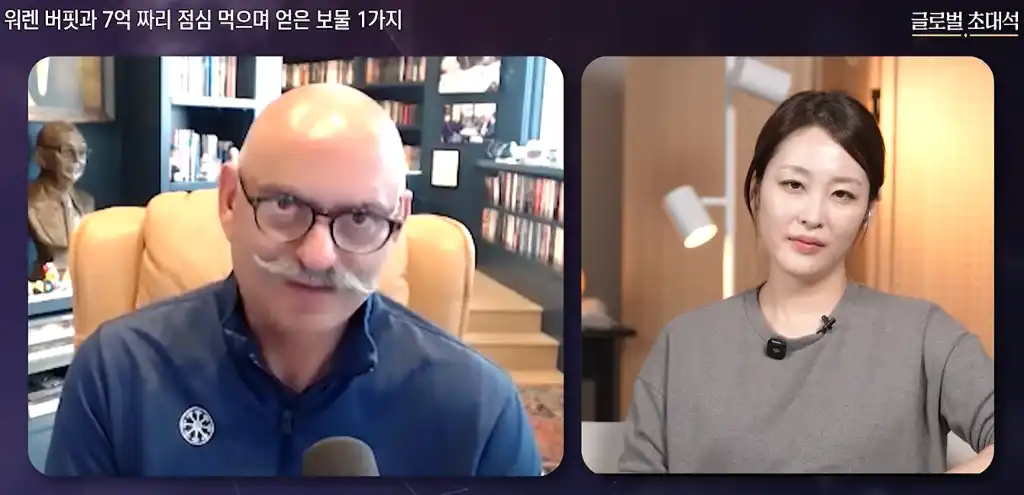
On June 22, he revisited some of his most painful trading errors in a Korean talk show "Inner Insights": "I deeply regret it. I violated my own principles by selling a company that I should have held forever."
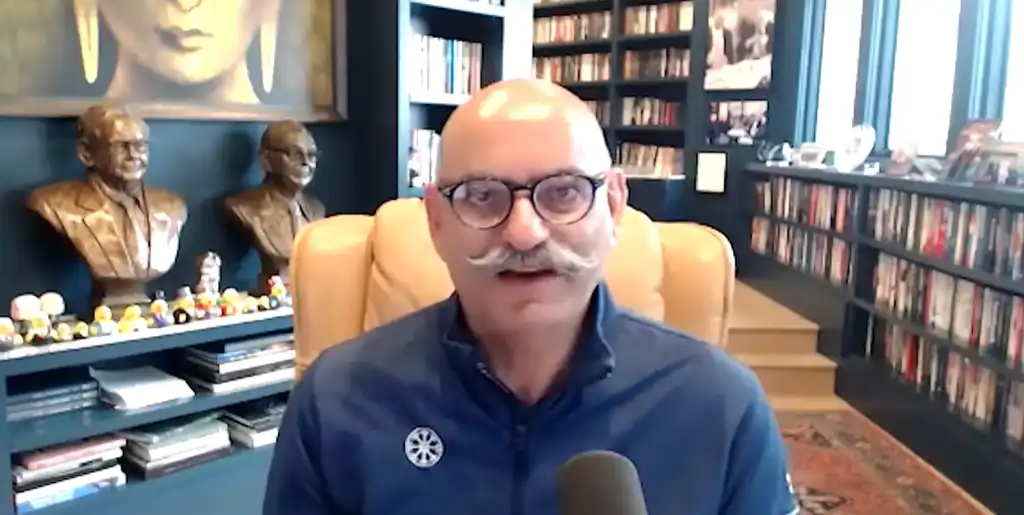
The Pain of Liquidation: Held for Six Years, Sold Before Takeoff
Pabrai initiated his Micron position in 2017, with his exposure peaking at 77% at one point. During the interview, when asked about the Korean stock market, Pabrai expressed his regrets.
Although he did not directly mention his specific trading actions on Micron, Pabrai discussed in the program that he had done extensive research—personally meeting with SK Hynix's management in Seoul, visiting top Samsung executives, and engaging in deep conversations with Micron's Indian CEO. His core logic was that the global memory market would eventually be dominated by three players—Samsung, SK Hynix, and Micron. He believed the oligopoly structure was stable, competition was becoming rational, and profits were foreseeable.
He even sought advice from Buffett and Munger on this matter. Pabrai recalled: "Munger and Buffett told me, after studying all the bottlers of Coca-Cola worldwide, that as long as there are only two left in 95% of regions, they can make a lot of money. It's only in the rare 3-5% that are natural enemies that nobody can make money."
In 2023, Samsung announced an expansion, but Palbray predicted a disruption in the supply-side logic and promptly liquidated his holdings.
However, by that time, ChatGPT had already been introduced, and the surge in demand for HBM (High Bandwidth Memory) was on the horizon.
Two years after the liquidation, Micron's stock price had increased by over 15 times.
“I Shouldn't Have Sold Them”
Micron was not his only regret.
He also sold SK Hynix too early. In an interview, he directly stated, "I had visited Samsung multiple times and also held investments in SK Hynix. It's very regrettable that I violated my own rule and sold these companies when I should have held onto them forever."
His assessment of the South Korean semiconductor industry, however, remains clear: "SK Hynix and Samsung's memory business are highly protected operations." He explained that the memory industry had seen up to 20 companies battling each other, competing on prices, ultimately all running at a loss and exiting, leaving only three. "New entrants are almost impossible to come in—due to patent barriers, engineering talent, process complexity, it would take them 10 years, 15 years, or even 20 years to enter."
For investors currently holding South Korean semiconductors, his advice is straightforward: "If you already hold them, don't sell. The party is just getting started."
To a certain extent, this advice is also meant for himself.
Buffett's Lunch, What Was Bought
In 2007, Palbray won the opportunity to have lunch with Buffett for $650,000 (equivalent to about RMB 4.94 million at the exchange rate of 7.6 at that time)—one-third below his mental budget of $2 million.
He said he had only one agenda at the time: "My entire agenda was just to thank Mr. Buffett in person."
But the lunch far exceeded expectations. He told Buffett that his wife actually admired Munger. Buffett immediately "accepted the challenge," claiming to help arrange a lunch with Munger for them, so they would see he was a better dining partner. Two days later, Palbray did receive an email arranging the lunch from Buffett's assistant.
“I would rate Buffett's performance in that lunch as 15 out of 10. One of the reasons is that he got it done.”
The relationship with Munger was established, and since then, Pabrai has been visiting every three to four months with his family.
Three Bottom Lines, 213-item Checklist
Pabrai has an investment checklist method derived from the aviation industry - after a plane crash, regulators review the causes and revise procedures; he compares investment losses to a plane crash, with each loss becoming a new checklist item.
Currently, he has 213 checklist items. He has distilled three core principles for ordinary investors:
First, No Leverage. "The number one reason investors lose is leverage - companies have too much debt, or investors borrow money to buy stocks." He uses the example of IKEA's founder: in 70 years of operation, they have never borrowed a euro, "because we owe no one money, no one can stop us."
Second, Durability of Moat. It's not just about having a competitive advantage, but how long this advantage can be maintained. He uses Amorepacific as an example: the brand is well-known, but with numerous competitors and consumers constantly seeking better products, the moat is not stable.
Third, Management's Integrity. "Do they love money, or do they love the business? Loving money is fine, but being greedy is not."
For the vast majority, his conclusion is simpler - "For over 99% of investors, just buy the index directly."
"Wealth lost, nothing lost"
In the final interview, Pabrai talked about his ultimate goal: on June 10, 2054 (the date of his estimated death by AI), the day before he dies, he will donate all his money. He said, "I actually don't care about money because once wealth reaches a certain point, it has no practical significance to you. I'm playing a game."
"Wealth lost, nothing lost; health lost, something lost; character lost, everything lost. So, don't worry too much about wealth, pay a little more attention to health, and focus all your energy on character."
Recommended
Desk: Brent Crude Tops $110, Musk's Net Worth Drops 528.6 Billion in Four Days After Tesla Roadster Launch
Oct 17, 21:49
JST Fifth Buyback and Burn Successfully Concludes: Over 170 Million Tokens Worth Approximately $23.53 Million Burned, Buyback Mechanism Set for Comprehensive Upgrade
Oct 17, 20:10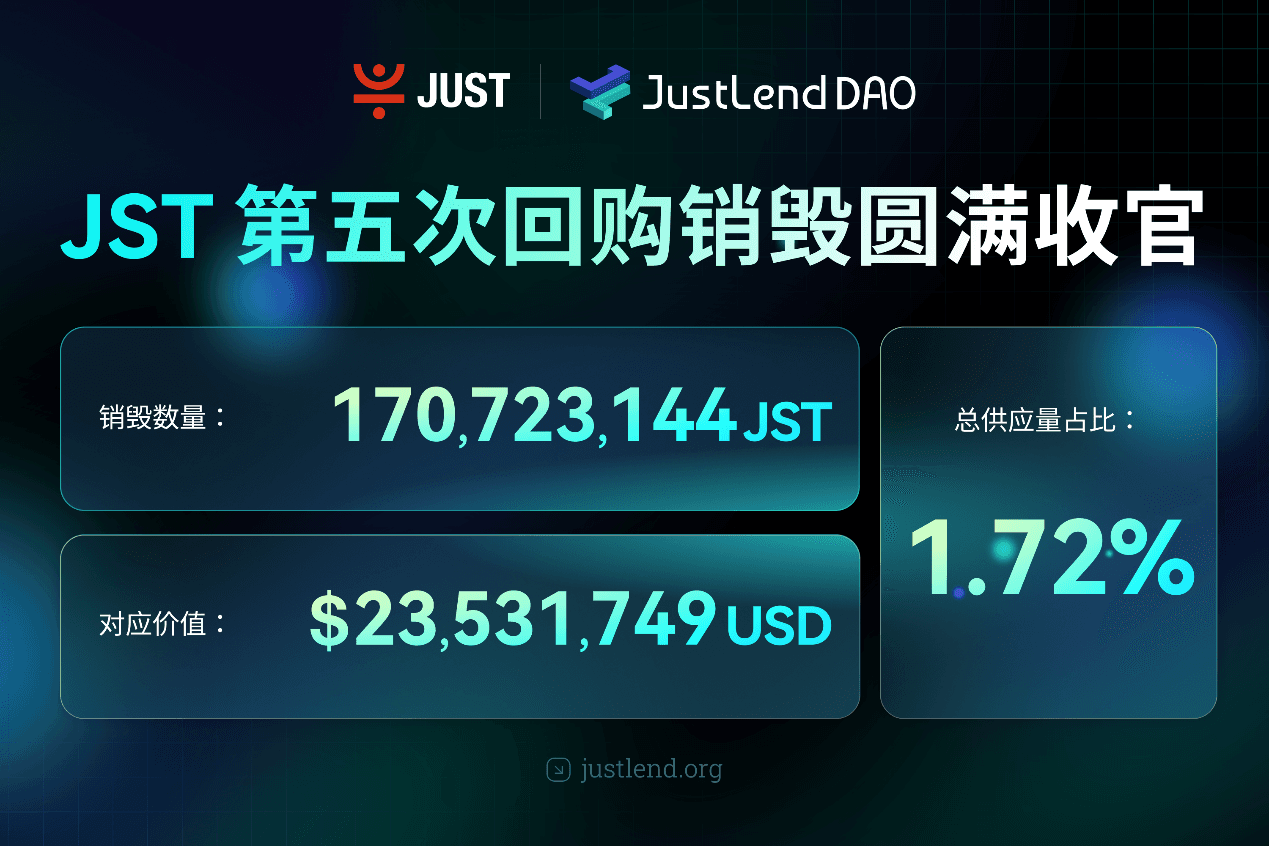
BitTorrent Brand Upgrade and Initial BTT Buyback & Burn Launch Simultaneously, Dual Engines Usher in New Era of Web3 Infrastructure
Oct 17, 20:00
Asia Market Daily: Japan's BOJ signals more rate hikes while Korea targets offshore perpetual platforms (2026/10/17)
Oct 17, 17:01Why did Papertrade backfire on you?
Oct 17, 17:01
The 'Strict Father' of Northern Myanmar: This Company Deploys 200,000 "AI Best Actors" to Strike Back Against Scammers
Oct 17, 15:34