Google to Create Chip for Gemini | Rewire News Daily

Google Pushes Gemini Architecture to Custom Chip, AI Competition Shifts from Model Parameters to Running Costs. Tariffs and Oil Prices Bring External Conflicts Back into U.S. Pricing System.
1|Google Develops Frozen v2, Embeds Gemini Architecture into Silicon
Google is developing the server chip Frozen v2, with a target deployment in 2028. Unlike general accelerators like TPU, Frozen v2 will directly hardcode part of the Gemini model's structure into the hardware to serve more tokens per unit of power consumption. According to The Information, the engineering goal is to surpass Google's latest custom AI chip by 6 to 10 times.
This is a bet on the era of inference. Over the past three years, the AI infrastructure battle has been about who can train larger models, with NVIDIA charging a premium with its general GPUs. Now that model architectures are becoming stable, search, speech, and assistants consume massive inference every day. Embedding the model into silicon is a trade-off of flexibility for marginal cost. If Gemini becomes Google's primary entry point, the chip will no longer be just a cloud business accessory but part of the distribution rights.
(Source: Reuters / The Information / The Decoder)
2|Director of U.S. AI Security Agency Resigns Three Months After Taking Office, Talent Drain in Governance
Chris Fall has resigned as director of the U.S. AI Standards and Innovation Center after only three months in office. Both Reuters and Axios report that NIST chief Arvind Raman will temporarily take over. CAISI, under the Department of Commerce, is a key agency in the U.S. for conducting security testing on cutting-edge models and coordinating standards, originally expected to bridge the gap between the executive branch, model companies, and Congress.
The issue is not a single personnel change but where capabilities are being concentrated. The GAO has been reminding this year that there are privacy and interdepartmental gaps in federal AI governance, while the CRS has long emphasized that the U.S. lacks a unified regulatory authority covering the entire AI lifecycle. Meanwhile, Dean Ball has moved from the White House Office of Science and Technology Policy to OpenAI. With one regulatory position vacant and another talent flowing to the corporate sector, AI governance is shifting from the public sector to the governed entities.
(Source: Reuters / Axios / GAO / CRS)
3|$81 Billion Paramount-Warner Merger Halted, Time-Price Equation Begins
A California federal judge has temporarily halted the $81 billion merger between Paramount Skydance and Warner Bros. Discovery, with the injunction to last at least two weeks. 12 states, led by California, filed a lawsuit claiming the deal would reduce competition in the film and cable TV industry. According to AP, the merged entity would control nearly a third of the movie distribution and basic cable TV market.
The real pressure of the deal is in the timing. The preliminary injunction hearing is set for August 3, and if the deal drags beyond September 30, Paramount will face roughly $7 million per day or about $650 million per quarter in extension costs. Traditional media wants to compete with Netflix, YouTube, and AI content generation through scale, but regulators have not bought into the narrative of "bigger is safer." Content companies are being squeezed by platforms, and the court is reminding them that defensive mergers are still mergers.
(Source: AP / WSJ / Business Insider)
4|Canadian Goods Hit with 50% Tariffs, Trade Friction Reignites at Price Level
Trump signed a notice imposing a 50% tariff on certain Canadian goods. USTR stated that the affected imports amount to nearly $20 billion, covering automobiles, alcohol, dairy products, and other cross-border goods. The White House defines it as a retaliatory measure against discriminatory actions by Canada, while Canada has warned of taking equivalent responses.
This is not a single tax rate adjustment but a repricing of the North American supply chain. U.S. companies have historically viewed Canada as a buffer zone for nearshore production and resource supply, but now tariffs are hitting directly at auto, food, and consumer goods prices. The Trump administration aims to use tariffs to force concessions from trading partners, but the costs will not stop at the border. They will transmit through importers, retailers, and consumers, ultimately turning into a pricier bill.
(Source: White House / USTR / AP)
5|US-Iran War Enters Tenth Night of Airstrikes, Hormuz Brings Battlefield to U.S. Oil Prices
The U.S. Central Command conducted the tenth consecutive night airstrike on Iran, targeting missiles, drones, communications, and command nodes. A previous temporary memorandum of understanding sought to restore commercial passage in the Strait of Hormuz, but Iran accused the U.S. of violating the ceasefire premise, rendering diplomatic arrangements ineffective. British parliamentary records show that the waterway, which saw about 150 ships passing daily before the conflict, dropped to single digits. The oil price response was more direct, with Brent crude reapproaching $90 per barrel during trading, and the U.S. average gasoline price rising to $4 per gallon.
This is not merely a Middle East conflict. Hormuz intertwines military actions, shipping insurance, gasoline bills, and election sentiments. The last time the U.S. average gasoline price exceeded $4 was in 2022, and that inflation memory still lingers in consumer confidence. Trump may package the airstrikes as deterrence, but oil prices will bring the battlefield back to the domestic U.S. (Continued from yesterday's report)
(Source: AP / The Guardian / WSJ / UK Parliament)
Also good to know ↓
Bloomberg reports that Z.AI has built a 1GW data center using only Chinese chips, with each of the multiple clusters containing over ten thousand chips. The report is still based on anonymous sources, and the location and chip models have not been disclosed. However, the message is clear: export controls are driving China's AI infrastructure towards a domestic closed-loop system. (Source: Bloomberg / Techmeme)
Sony Music has filed a new lawsuit against Udio, alleging that about 30,000 songs were used for AI music generation training or output. The statutory damages cap is calculated at $15,000 per song. While Universal and Warner have settled with Udio, Sony has chosen to proceed with a landmark case, as the legal boundaries of music AI are still being defined in the courtroom. (Source: The Verge / Music Business Worldwide)
Recommended
Desk: Brent Crude Tops $110, Musk's Net Worth Drops 528.6 Billion in Four Days After Tesla Roadster Launch
Oct 17, 21:49
JST Fifth Buyback and Burn Successfully Concludes: Over 170 Million Tokens Worth Approximately $23.53 Million Burned, Buyback Mechanism Set for Comprehensive Upgrade
Oct 17, 20:10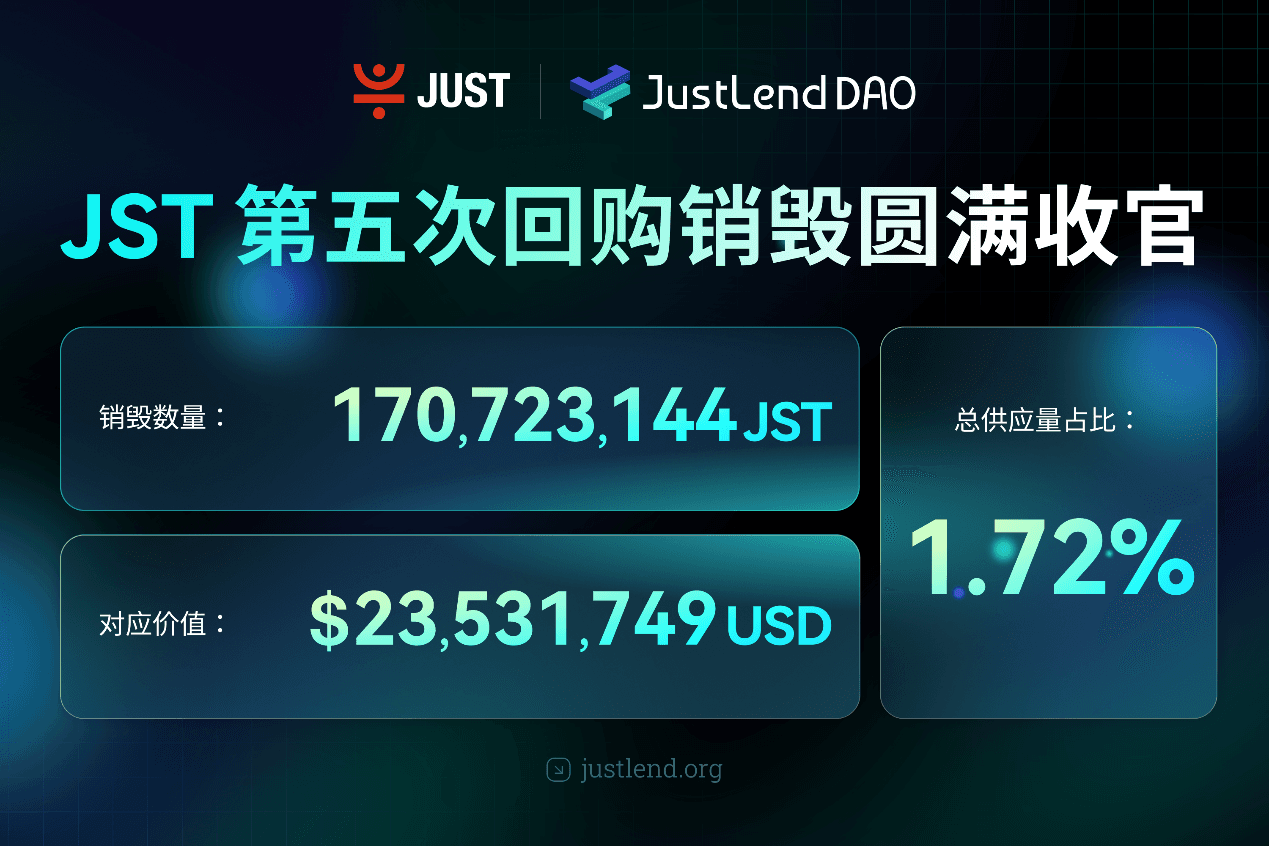
BitTorrent Brand Upgrade and Initial BTT Buyback & Burn Launch Simultaneously, Dual Engines Usher in New Era of Web3 Infrastructure
Oct 17, 20:00
Asia Market Daily: Japan's BOJ signals more rate hikes while Korea targets offshore perpetual platforms (2026/10/17)
Oct 17, 17:01Why did Papertrade backfire on you?
Oct 17, 17:01
The 'Strict Father' of Northern Myanmar: This Company Deploys 200,000 "AI Best Actors" to Strike Back Against Scammers
Oct 17, 15:34