The oil price has reached $90, how long can soybeans and corn keep up?
TL;DR
· Brent crude oil rose above $90, leading Chicago soybean and corn futures higher.
· The market is divided on whether oil prices can transform into actual agricultural product consumption through the biofuel chain.
· Related assets: Soybean futures, Corn futures, Brent crude oil, DBA, USO, Biofuel chain.
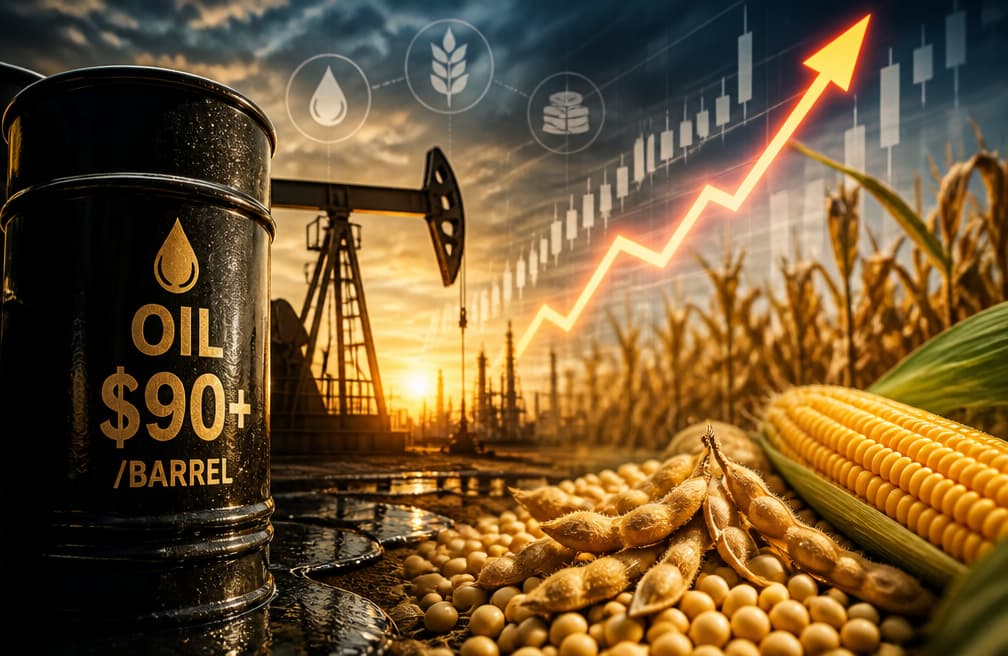
After Brent crude oil rose above $90 in July, Chicago soybean and corn futures also saw gains. For investors, this was not the most intuitive trade. Typically, Middle East tensions would first affect energy stocks, shipping costs, and inflation expectations, but this time, some of the buying pressure went into agricultural products.
The logic is not complicated. Corn can be processed into ethanol, soybean oil can be used for biodiesel and renewable diesel. As oil prices increase, the economic viability of alternative fuels becomes easier to reprice, and related raw materials are also bought in advance in the futures market.
However, this chain is still in the anticipation stage. Oil prices, exports, and weather have collectively supported agricultural prices, but what will truly determine how far the market can go is not whether crude oil has peaked, but whether biofuel demand, export loading, and crop ratings can keep up.
Crude Oil Has Provided a Valuation Anchor for Agricultural Products
The starting point of this round of trading was the risk premium brought by the Middle East conflict in the Hormuz Strait. The Hormuz Strait is a key channel for global oil transportation, and the market is concerned about restricted oil shipping. Even if the actual supply is not significantly interrupted, the oil price will first incorporate the risk into the price.
According to Reuters, Brent crude oil rose to $90.79 on July 20, and reports on July 22 mentioned a settlement price of $91.01. This level was enough to change the narrative of the commodity market. Crude oil is no longer just a matter of energy assets itself; it is also starting to affect crops linked to fuel demand.
Joe Davis from Futures International linked the rise in grains and oilseeds to energy buying in market reports. This represents the core logic of short-term commodity bulls: the rise in crude oil prices has improved the demand expectations for biofuel-related crops, and funds will first buy corn, soybean oil, and soybeans.
This assessment does not mean an immediate increase in agricultural product consumption. The futures market is buying into the possibility of a tighter future supply-demand balance, especially when there are bullish signals from oil prices, weather, and exports. Funds will first bet on a price reappraisal and then wait for physical data confirmation.
So, soybeans and corn were bought not because the Middle East conflict directly changed U.S. farmland, but because the oil price provided them with a new valuation anchor. The market now looks beyond just crop inventories and yields, starting to incorporate the value of energy substitution into the pricing model.
The Biofuel Supply Chain Determines Market Depth
The connection point between corn and soybeans and crude oil is biofuel. Corn is mainly associated with ethanol, while soybeans are more related to biodiesel and renewable diesel feedstock. When oil prices are high, the market expects more support for fuel blending demand, production margins, and policy enforcement.
The strength of this chain determines whether this round of market movement can evolve from event-driven trading to trend trading. If the oil price spike is only temporary, biofuel plants will not significantly alter their procurement pace due to a few days of price fluctuation. Only when the oil price remains high will producers, traders, and funds reassess the demand elasticity for corn, soybean oil, and soybeans themselves.
The skeptics' counterargument also lies here. The current uptrend contains a risk premium and is influenced by speculative funds following energy prices. There is a lag in physical demand transmission, so the futures price increase cannot be directly equated to a sharp rise in demand.
From oil prices to agricultural product inventories, there are several intermediaries. Whether biofuel profitability improves, whether factories increase production, whether raw material procurement rises will eventually reflect in crushing, ethanol production, and inventory changes. Futures prices may rise first, but the fundamentals need time to catch up.
This is also where investors are most likely to misjudge. Rising oil prices may raise the imagination space for biofuels, but they only provide an entry point to the market, not an automatic endpoint. What can truly support further price increases is the sustained realization of demand data.
Chinese Purchases and U.S. Weather Amplify Buying Pressure
If only oil prices were considered, this round of agricultural commodity price increase would look more like a single-event trade. The buying pressure expanded to soybeans and corn also due to concurrent Chinese purchases and U.S. weather risks.
A notice from the USDA's Foreign Agricultural Service announced that on July 17, private exporters reported sales of 340,000 tons of soybeans to China for delivery in the 2026/2027 marketing year. The marketing year can be understood as a sales window divided by crop cycle. This transaction corresponds to future supply and demand expectations for the next season, rather than immediate spot purchases.
Chinese purchases provided a demand anchor for soybeans. In recent years, China's actual purchasing pace has been fluctuating, and a single sale cannot represent long-term demand recovery. However, in an environment biased towards both oil prices and weather, it was enough to convince the market that forward demand has not disappeared.
The weather acts as a supply-side amplifier. As of the week ending July 19, the U.S. crop progress report showed corn silking at around 67% and soybeans setting pods at about 66%. This level does not yet indicate a crop condition crisis, but July is a sensitive period for corn pollination and soybean pod setting. High temperatures and drought stress are easily priced in by the market.
The current market is influenced by three main forces: crude oil acting as a valuation anchor, exports serving as a demand anchor, and weather posing a supply risk. Individually, each force may not be strong enough, but when all three occur simultaneously, short-term funds are directed towards the same direction.
Whether the Premium Can Hold Depends on Real Data
What needs to be assessed now is not how the Middle East situation will evolve, but how much of the agricultural product prices already reflect a premium. If the risk in the Strait of Hormuz diminishes and oil prices fall, the first group likely to be squeezed out is the buying interest driven by biofuel expectations.
Weather conditions should not be taken at face value either. Current crop ratings are still within an acceptable range. Whether high temperatures have truly affected yields will depend on the progress of subsequent crops, rainfall distribution, and adjustments to yield expectations. If ratings do not deteriorate further, the weather premium may also retreat.
Real demand is the final confirmation step. Ethanol production, crushing data, biodiesel margins, and China's shipping pace will determine whether this rally is a short-term resonance or if the supply-demand balance is genuinely starting to tighten.
The recent surge in soybean and corn prices fundamentally represents a shift in pricing anchors. The market has reintroduced energy risks into agricultural prices. However, until real consumption data catches up, it remains a reassessment of expectations rather than a realized structural bull market.
Recommended
Desk: Brent Crude Tops $110, Musk's Net Worth Drops 528.6 Billion in Four Days After Tesla Roadster Launch
Oct 17, 21:49
JST Fifth Buyback and Burn Successfully Concludes: Over 170 Million Tokens Worth Approximately $23.53 Million Burned, Buyback Mechanism Set for Comprehensive Upgrade
Oct 17, 20:10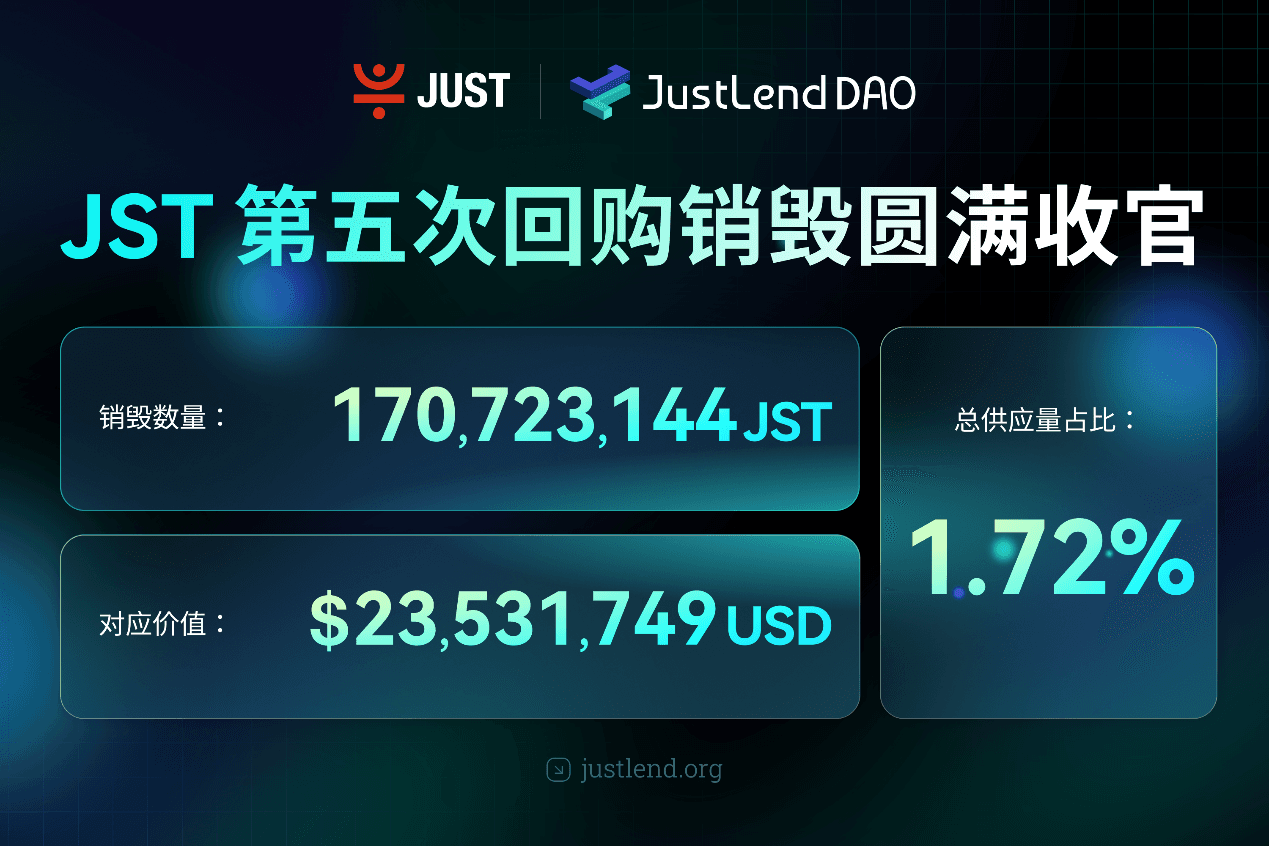
BitTorrent Brand Upgrade and Initial BTT Buyback & Burn Launch Simultaneously, Dual Engines Usher in New Era of Web3 Infrastructure
Oct 17, 20:00
Asia Market Daily: Japan's BOJ signals more rate hikes while Korea targets offshore perpetual platforms (2026/10/17)
Oct 17, 17:01Why did Papertrade backfire on you?
Oct 17, 17:01
The 'Strict Father' of Northern Myanmar: This Company Deploys 200,000 "AI Best Actors" to Strike Back Against Scammers
Oct 17, 15:34