Japanese Yen Hits 40-Year Low – What Will Japan Use to Price Short Positions?

TL;DR
· USD/JPY approached 164 in July, prompting verbal intervention escalation from the Japanese Ministry of Finance.
· Markets began to reassess interest rate hike expectations, pension fund rebalancing, and carry trade volatility.
· Related assets: USD/JPY, JGBs, Brent crude oil, US equities risk assets, US Dollar Index.
USD/JPY approached 164 in July, nearing a nearly 40-year low, with Japanese Finance Minister Koizumi Kozuki subsequently warning that "bold" action would be taken if necessary to address disorderly volatility.
For traders, the range of 163 to 165 is not just an exchange rate range but a policy testing zone. Will Japan intervene directly in the currency markets? Will the Bank of Japan hike interest rates sooner? Will carry trades borrowing yen to buy global assets be abruptly disrupted?
This market move can also be easily misinterpreted. A stronger statement from the Ministry of Finance does not mean intervention has already occurred. Discussions about pension funds rebalancing do not mean that the "national team" has started buying yen. The market is trading on the view that Japan's policy toolkit is transitioning from verbal warnings to expanding interest rate hike expectations and quasi-rebalancing buying.
Yen Weakness Has Transmitted to Import Inflation
The challenge of this yen depreciation is that it is not only happening against the US dollar but across a basket of major trading partners' currencies. The trade-weighted exchange rate is also at a low, indicating that the yen is not just being weighed down by a strong dollar but is weak against a basket of major trading partners.
The trade-weighted exchange rate can be understood as a "yen comprehensive thermometer." If it were simply a case of a strong dollar, the yen would not necessarily weaken against other currencies. If the trade-weighted index also falls, imports, inflation, and residents' purchasing power will all come under pressure.
The issue is exacerbated by oil prices. Brent crude oil has recently surged due to Middle East tensions, nearing $100, and Japan is a major energy importer. Rising oil prices coupled with yen depreciation will make imported energy, food, and raw materials more expensive.
This is why the Bank of Japan cannot purely treat the exchange rate as a foreign exchange market issue. The weaker the yen, the higher the import costs, making inflation stickier. The market is betting that a rate hike this year is still possible, not because the Japanese economy has suddenly overheated, but because the exchange rate and oil prices are changing the inflation risk.
Ministry of Finance Raises Short Selling Costs First
Shiomi Osamu's tough stance first changed the risk-to-reward ratio of the trade, rather than immediately changing the Japanese yen's fundamentals.
The Japanese Ministry of Finance can remind the market through verbal intervention to continue shorting the yen, and may encounter a policy shock at any time. Especially when she mentioned the common framework between the U.S. and Japan regarding disorderly movements, the signal is no longer just "we are watching," but "we reserve the right to act."
The threshold for direct forex intervention is not low. Buying yen and selling dollars will deplete foreign exchange reserves. If oil prices, interest differentials, and dollar hedging demand remain unchanged, intervention is more likely to dampen short-term volatility rather than reverse the trend.
The most recent data from the Japanese Ministry of Finance is available up to June 26, 2026. From April 28 to May 27, Japan confirmed intervention of ¥11.7349 trillion. From May 28 to June 26, it was 0. Whether they will enter the market in July still depends on subsequent monthly data confirmation.
For retail investors, the risk is not that the trend will reverse immediately after the news, but that holding the same short yen position will require paying a higher policy risk premium. Around 163 to 165, bears can continue trading the interest rate differential, but the leverage tolerance is decreasing.
Rate Hikes and GPIF Provide Slower Support
Compared to direct intervention, rate hikes by the Bank of Japan and GPIF rebalancing are more like slow variables, but their impact on pricing may be more lasting.
Recent Bank of Japan officials have shown an open attitude towards earlier-than-expected rate hikes, and market surveys also indicate expectations for further rate hikes within the year. This is not a formal commitment, but it is enough to make traders reassess the yen-dollar interest rate differential.
The logic of yen carry trades is simple: borrow low-interest yen to buy high-interest dollar assets or risky assets. As long as Japanese rates are low and the yen is slowly depreciating, this trade is comfortable. If the Bank of Japan's rate hike expectations are brought forward, or the yen suddenly rebounds, the cost of borrowing yen and exchange rate losses will rise simultaneously.
GPIF is the Japanese government's pension investment fund. The Japanese government has recently encouraged GPIF and other pension funds to increase domestic investments, and related news has led to yen and JGB strength.
GPIF has a size of around ¥293 trillion to ¥294 trillion, with foreign assets of about $931.0 billion. If some funds are repatriated from overseas bonds or assets to buy Japanese government bonds or yen assets, it will provide marginal support.
It's important to clarify the boundaries here. Rebalancing is more like an asset allocation adjustment, not traditional forex intervention. According to media reports citing Goldman Sachs' estimates, the potential scale could range from several hundred billion dollars to around $80 billion. It may cool the yen shorts, but it cannot be seen as a policy bid that has already occurred.
On July 22, the results of Japan's 40-year government bond auction also showed that despite the rise in long-term yields, demand was still decent and stronger than some concerns. This has eased the narrative of "a rate hike will definitely collapse JGBs" and reinforced another judgment: Japan's policy mix is more likely to slowly raise the cost of shorting the yen rather than abruptly change the direction of the exchange rate.
The Fear of Basis Trade Is a Sudden Surge in Volatility
What we need to be most cautious about now is not a sudden collapse of global basis trades but a sudden increase in volatility.
Basis trades are most afraid of a rapid yen surge in a short period. Once the exchange rate moves too fast in the opposite direction, positions borrowing yen to buy assets may be forced to unwind. The trading chain will turn into buying back yen, selling off risk assets, and then foreign exchange volatility will transmit to US stocks, credit bonds, and high-yield assets.
However, the current evidence is still insufficient to support the claim that "a full unwinding has already begun." A more accurate statement is that the yen shorts still exist, but the safety cushion has diminished. Factors such as oil prices, policy statements, central bank meetings, and intervention expectations are all compressing the margin of error for this trade.
163 to 165 Are Turning into a Policy Test Zone
The verification points will focus on several areas: whether there are signs of actual intervention in July in the monthly data from the Japanese Ministry of Finance, whether the Bank of Japan meeting signals a stronger rate hike, whether oil prices can maintain their high levels, and whether the GPIF shows visible asset allocation actions.
If these variables all point to policy tightening simultaneously, 163 to 165 will become the trigger zone for the repricing of basis trades. Yen shorts will face higher volatility, more expensive hedging costs, and a more challenging timing of policy decisions.
Conversely, if oil prices fall, central bank statements show restraint, intervention data is absent, weakness in the yen may continue. However, each approach to a new low is now more likely to trigger a policy risk premium than before. For cross-asset investors, the yen is becoming a part of the global risk asset leverage cost.
Recommended
Desk: Brent Crude Tops $110, Musk's Net Worth Drops 528.6 Billion in Four Days After Tesla Roadster Launch
Oct 17, 21:49
JST Fifth Buyback and Burn Successfully Concludes: Over 170 Million Tokens Worth Approximately $23.53 Million Burned, Buyback Mechanism Set for Comprehensive Upgrade
Oct 17, 20:10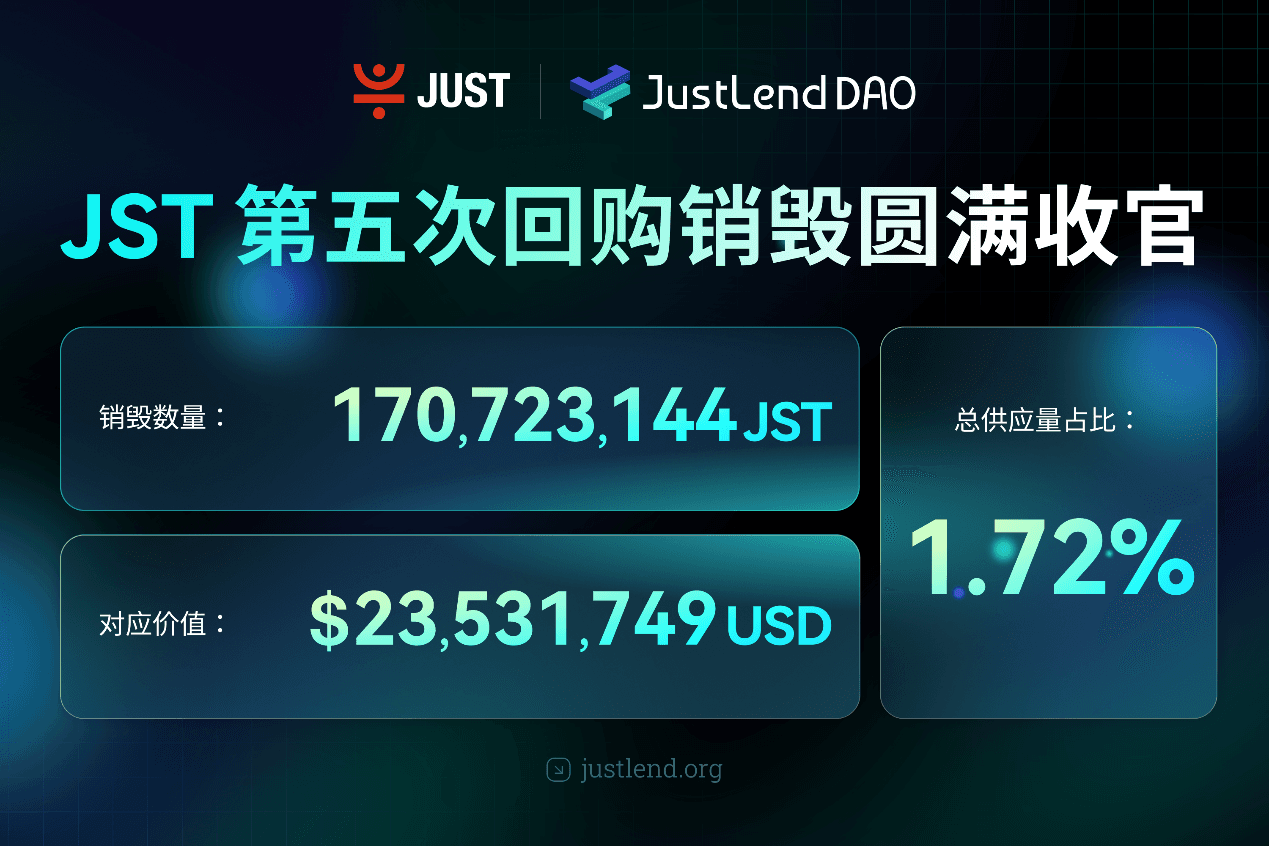
BitTorrent Brand Upgrade and Initial BTT Buyback & Burn Launch Simultaneously, Dual Engines Usher in New Era of Web3 Infrastructure
Oct 17, 20:00
Asia Market Daily: Japan's BOJ signals more rate hikes while Korea targets offshore perpetual platforms (2026/10/17)
Oct 17, 17:01Why did Papertrade backfire on you?
Oct 17, 17:01
The 'Strict Father' of Northern Myanmar: This Company Deploys 200,000 "AI Best Actors" to Strike Back Against Scammers
Oct 17, 15:34