Wall Street Review of the Fed Decision: Will Powell Embrace Market's Substitute for "Rate Hike"?
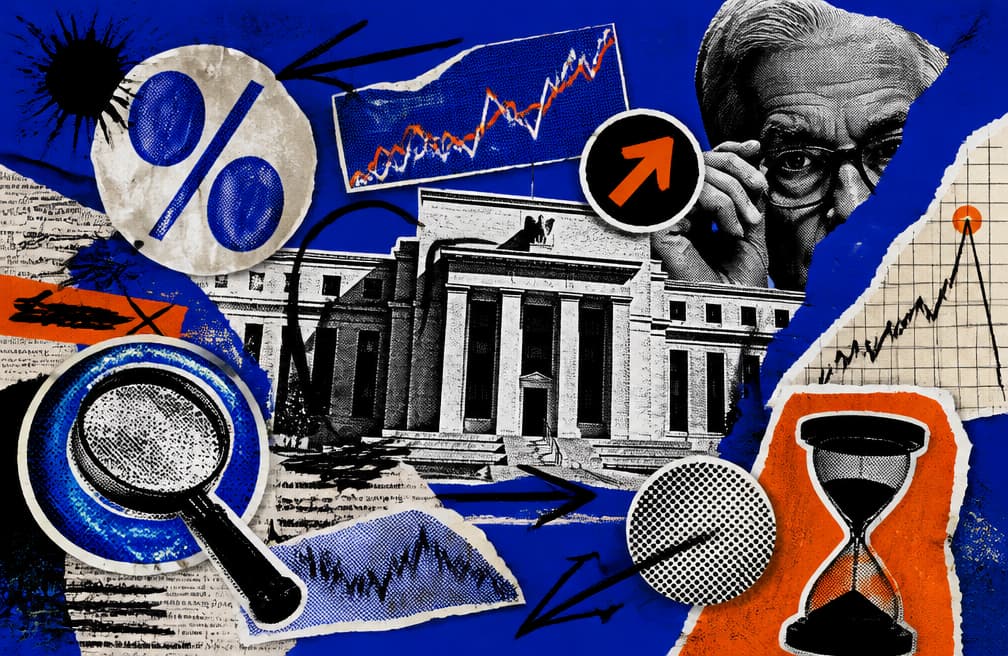
The Federal Reserve kept interest rates unchanged in its July meeting. In this meeting lacking a clear forward guidance, Fed Chair Powell's permissive attitude toward the rise in long-term yields has become the market focus. Institutions generally believe this implies that Wall Street's spontaneous tightening is replacing official rate hikes.
In the just-concluded FOMC meeting, the Fed decided to maintain the federal funds rate target range at 3.50%-3.75%. The meeting statement saw minimal changes, but notably, three regional Fed presidents (Hammack, Kashkari, and Logan) dissented, supporting a 25-basis-point rate hike.
Powell's welcoming attitude toward the market's spontaneous tightening of financial conditions was evident. He explicitly stated that while the Fed hasn't done much in the past 42 days, the market has done a lot. As a result, the U.S. Treasury yield curve steepened significantly, with short-term rates continuing to decline against the backdrop of rising energy prices, while long-term rates surged notably, with the 30-year Treasury yield briefly surpassing 5.20%.
Faced with the persistent rise in long-term Treasury yields, Powell not only refrained from suppressing it but instead believed that financial conditions had been spontaneously tightened by the market. This suggests that as long-term rates remain high, the necessity for the Fed to proactively hike rates will significantly diminish. Goldman Sachs, Barclays, and Nomura analysts believe that the Fed is tacitly allowing the bond market to substitute for official rate hikes, but this strategy could also elevate long-term yields and pose risks of unanchored inflation expectations and heightened policy uncertainty in the future.
Lack of Guidance from the 'Dovish' Side
Goldman Sachs analyst David Mericle pointed out in a report that prior to the meeting, the market had the greatest uncertainty in thirty years about whether the Fed would hike rates, but the eventual meeting outcome seemed somewhat anticlimactic. Goldman Sachs believes that Powell's remarks at the press conference leaned overall dovish and intentionally avoided providing clear policy guidance to the market.
Despite the lack of direct guidance, Goldman Sachs still extracted four core dovish signals from Powell's comments.
First, Powell deliberately played down the price pressures related to artificial intelligence, implying that price increases in these areas may be independent of a broader inflation trend. Second, when asked whether the recent rise in real interest rates signaled the market's view that the Fed should hike rates, he attributed it to the economy's strong performance. Third, he hinted multiple times that the rise in market rates can substitute for policy rate hikes. Fourth, Powell believed that instead of curbing demand directly through rate hikes, enhancing the Fed's credibility in achieving its inflation target could more effectively lower inflation by reducing inflation expectations.
Goldman Sachs expects that the weakening of core inflation data in the coming months will lead the Federal Reserve to keep interest rates unchanged for the remainder of 2026. Currently, the bond market anticipates a 60% probability of a rate hike at the September FOMC meeting.
Key Focus: Market-Led Tightening replacing "Rate Hikes"
The most notable signal in this decision was Powell's attitude toward the recent rise in bond yields. Both Barclays and Nomura Securities emphasized in their reports that Powell not only did not suppress the increase in long-term yields, but welcomed it and strongly suggested that the rise in market rates could replace the Fed's actual rate hikes.
Barclays pointed out that the Fed's own FRBUS model analysis shows that a significant increase in term premiums can replace a higher federal funds rate. Powell explicitly stated at the press conference that the recent rise in nominal and real yields is one of the most significant changes in the past twenty years. He attributed this to the strong economic performance and praised market participants for "learning to play the game instead of watching the referee," seeing it as a "positive shift."
Goldman Sachs also noted this detail. When asked why the Fed chose to pause despite the strong economy, Powell directly replied that market rates "have not paused." He clearly stated that although the Fed hasn't done much in the past 42 days, the market has done a lot.
Nomura Securities believes that Powell's view of financial conditions tightening as a policy substitute represents a preference for "unfiltered" market signals. This also implies that as long-term rates remain high, the urgency for the Fed to actively pull the rate hike trigger will significantly decrease.
Rising Long-Term Yields and Inflation Expectation Risks
As the Fed has partially "outsourced" the task of tightening financial conditions to the bond market, Wall Street institutions are adjusting their investment strategies and alert to the potential risk of anchoring inflation expectations.
Barclays believes that due to increased uncertainty in the policy reaction function, the threshold for a Fed rate hike in September is rising, but the threshold for continued upward pressure on long-term yields has decreased. The institution points out that the 30-year Treasury yield breaking 5% is not a flash in the pan, and the current yield level has not overly factored in the rise in the neutral rate, thus maintaining its investment recommendation for the 5-year forward overnight index swap rate (5y5y SOFR).
Nomura Securities has issued a warning regarding the Fed's inflation credibility. Nomura notes that Powell's continued dovish stance and vague interpretation of the policy reaction function may weaken the Fed's credibility in combating inflation. This directly led to a spike in the 5-year breakeven inflation rate post-meeting.
Nomura has warned that once there are signs of inflation stabilizing or the anti-inflation process stagnating, the market may react more violently out of concerns about the Fed's credibility. The risk of long-term inflation expectations becoming unanchored may ultimately force the hawkish members within the FOMC to take a more aggressive stance.
Recommended
Desk: Brent Crude Tops $110, Musk's Net Worth Drops 528.6 Billion in Four Days After Tesla Roadster Launch
Oct 17, 21:49
JST Fifth Buyback and Burn Successfully Concludes: Over 170 Million Tokens Worth Approximately $23.53 Million Burned, Buyback Mechanism Set for Comprehensive Upgrade
Oct 17, 20:10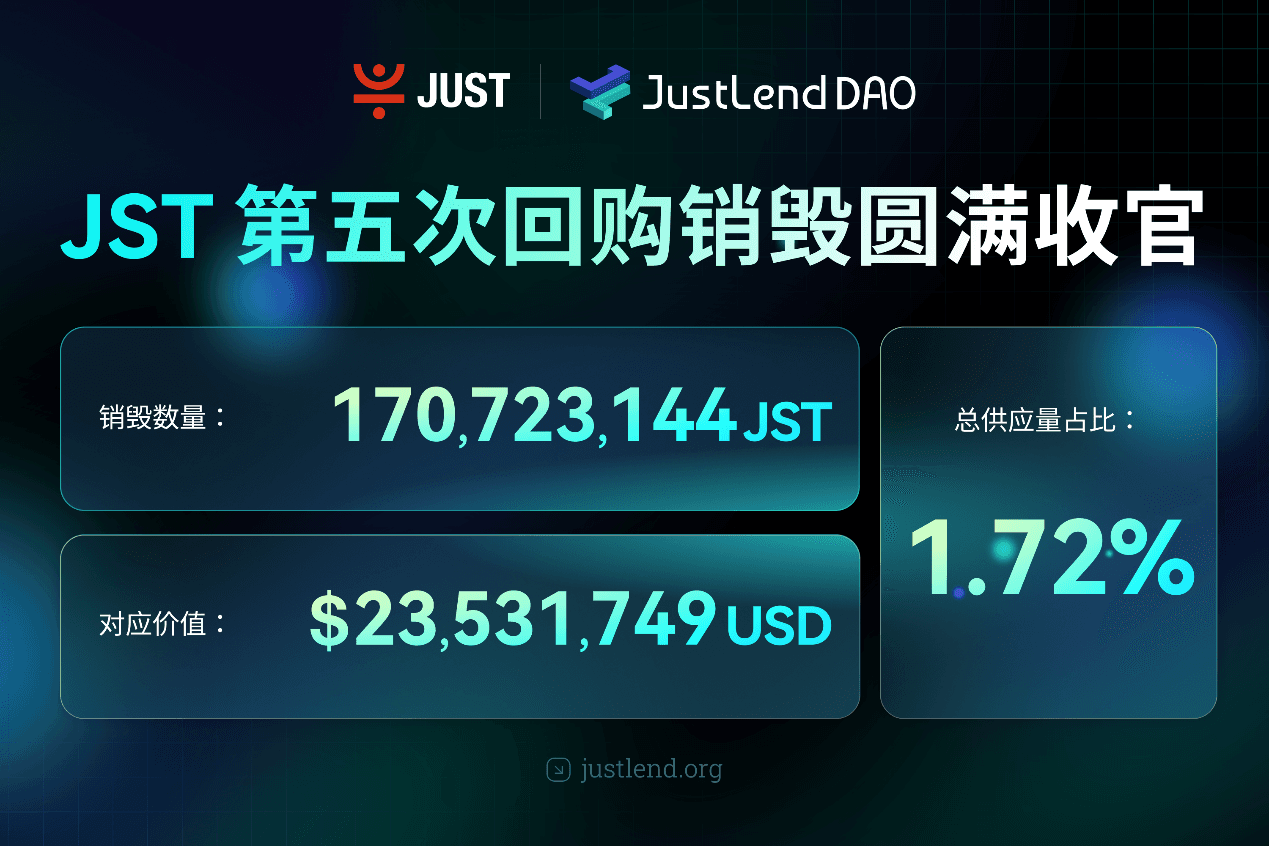
BitTorrent Brand Upgrade and Initial BTT Buyback & Burn Launch Simultaneously, Dual Engines Usher in New Era of Web3 Infrastructure
Oct 17, 20:00
Asia Market Daily: Japan's BOJ signals more rate hikes while Korea targets offshore perpetual platforms (2026/10/17)
Oct 17, 17:01Why did Papertrade backfire on you?
Oct 17, 17:01
The 'Strict Father' of Northern Myanmar: This Company Deploys 200,000 "AI Best Actors" to Strike Back Against Scammers
Oct 17, 15:34