Anthropic to Rebuild Data Center | Rewire News Daily

The AI Funding Chain is Under Scrutiny: Funds Trim Positions in Stock Market Pullback, Cloud Providers Use Revenue to Justify Capex, and Model Companies Secure Financing for Data Center Projects to Continue Expansion
1|Citadel Takes Over Majority of Positions, AI Fund Addresses Capital Structure First
Situational Awareness, led by former OpenAI researcher Leopold Aschenbrenner, sold most of its stock portfolio to Citadel after the AI stock pullback. The fund, which previously had around $16 billion in public stock positions, held stakes in targets such as Broadcom, Intel, and CoreWeave. Sources familiar with the matter said Citadel took over part of the positions leveraged by brokers.
The fund was weighing between raising more capital and reducing positions, ultimately choosing to sell off, but after the trade, it still retains around $10 billion in assets, including stocks and private investments in companies like Anthropic. The hedge fund's positions did not fully exit but shifted from high-leverage public markets to longer-term private assets. As AI investments enter a volatile period, financing structures are starting to determine who can keep their bets on the table.
(Source: Reuters / WSJ)
2|Amazon Raises Capex as AI Investment Tests Cash Flow First
Amazon has raised its 2026 capital expenditure outlook by 10% to $220 billion. CEO Andy Jassy stated that even so, the company's compute capacity is still insufficient to meet customer demands. AWS's second-quarter revenue grew 37% year-over-year to $42.2 billion, with AI and chip businesses running at an annualized rate of over $25 billion.
The growth of the cloud business indicates that AI spending is already driving orders, but the cycle of spending first and receiving income later continues to lengthen. Amazon stated that data centers typically start spending about two years before they become operational, then wait for customer demand to materialize after completion. Large capital expenditures are no longer just about scale; the market now judges their effectiveness based on revenue growth, contract backlog, and cash flow.
(Source: Reuters)
3|Institutional Funds Enter OTC Markets, Tokenization Testing Enters Banking System
Market maker Wintermute stated that in the first half of 2026, institutional clients accounted for 72% of its OTC spot trading volume. This is not a one-size-fits-all metric for the entire crypto market and cannot be directly extrapolated to all platforms, but it indicates that OTC liquidity is increasingly concentrating toward professional funds. The price discovery of crypto assets is becoming more reliant on market-making, custody, and risk management, rather than just retail sentiment.
On the other end, the Bank for International Settlements' Project Agorá completed 30 transactions totaling around 800,000 Swiss francs in a real-time cross-border test involving 6 currencies and 28 financial institutions and central banks. It brought together tokenized commercial bank deposits and wholesale central bank money on the same settlement chain. Institutionalization and tokenization are not the same thing, but they point to the same shift: the competitive focus of crypto is moving from transaction volume to who can access a compliant payment and settlement network.
(Source: CoinDesk / BIS)
4 | Anthropic's Mining Project Financing, Google Swaps Guarantees for Project Equity
Data center developer Nexus Data Centers is raising $15 billion for a project related to Anthropic in the Hubbard, Texas park. A banking consortium led by Morgan Stanley is discussing financing options, including a $14 billion bridge loan and a revolving credit facility, with the park featuring a 1.6 gigawatt gas power plant.
Google has agreed to provide guarantees of several billion dollars for Anthropic's data center lease and power payments, and is expected to acquire around 20% equity in the data center and power project. What is being priced here is not just the modeling company itself, but a long-term infrastructure made up of land, power, chips, and leases. The expansion of cutting-edge models is increasingly resembling a heavy asset engineering project that requires project financing.
(Source: Reuters / WSJ)
Also Worth Knowing ↓
U.S. Q2 real GDP grew at an annual rate of 1.5%, with June core PCE up 3.3% year-on-year. The slowdown in growth alongside sticky inflation makes the dissent over the 3 Fed members advocating rate hikes in July more noteworthy. The financing environment for tech assets continues to revolve around these macro figures.
Commonwealth Fusion Systems raised an additional $1 billion in equity financing, bringing total funding to around $4 billion. The funds will be used for the SPARC demonstration reactor and to advance the ARC commercial power plant. The demand for long-term power in AI data centers is pushing fusion projects into capital pricing earlier.
Cook hinted during the earnings call that an AI-powered Siri may start charging heavy users. Apple's FY2026 Q3 revenue was $1.094 trillion, with iPhone revenue around $543 billion, up 22% year-on-year. The hardware cycle remains stable, but pricing for AI services and supply constraints are now coming to the forefront.
(Source: Axios / 9to5Mac / The Verge)
Recommended
Desk: Brent Crude Tops $110, Musk's Net Worth Drops 528.6 Billion in Four Days After Tesla Roadster Launch
Oct 17, 21:49
JST Fifth Buyback and Burn Successfully Concludes: Over 170 Million Tokens Worth Approximately $23.53 Million Burned, Buyback Mechanism Set for Comprehensive Upgrade
Oct 17, 20:10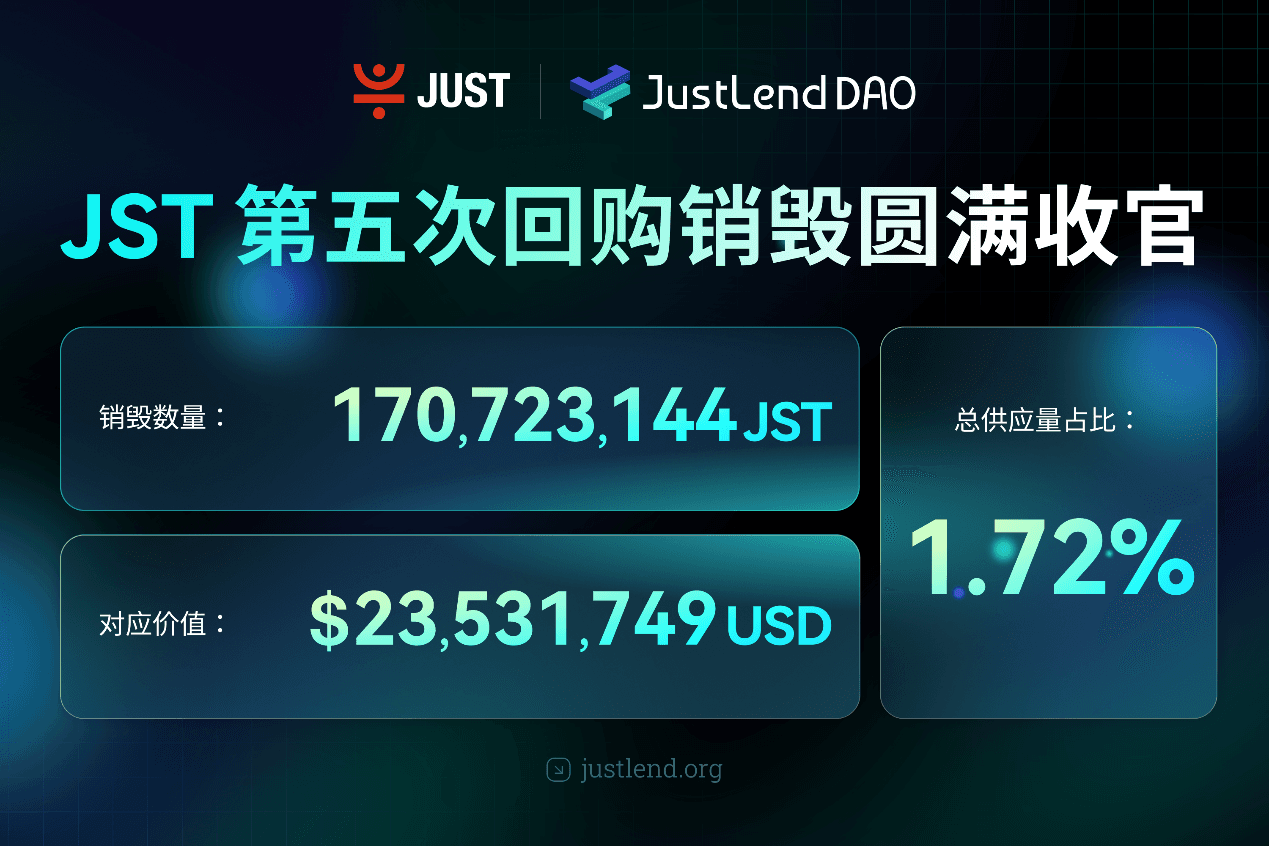
BitTorrent Brand Upgrade and Initial BTT Buyback & Burn Launch Simultaneously, Dual Engines Usher in New Era of Web3 Infrastructure
Oct 17, 20:00
Asia Market Daily: Japan's BOJ signals more rate hikes while Korea targets offshore perpetual platforms (2026/10/17)
Oct 17, 17:01Why did Papertrade backfire on you?
Oct 17, 17:01
The 'Strict Father' of Northern Myanmar: This Company Deploys 200,000 "AI Best Actors" to Strike Back Against Scammers
Oct 17, 15:34