Palantir’s AI Story Starts to Show Up in Earnings and Contract Tables

According to the financial report released by the U.S. data analytics software company Palantir on August 3, it once again raised its full-year revenue outlook. The most visible aspect in the market is a company incorporating AI into its revenue trend.
According to Palantir's report, the second-quarter revenue was $19.35 billion, a 93% year-over-year increase. While this growth rate is already eye-catching, the more interesting details are hidden in the latter part of the report. The profit was not swallowed by the growth, and revenue from unconsummated non-cancelable contracts continues to grow thicker.
This changes the question. Readers are not dissecting whether there is demand for AI, but rather how Palantir's demand penetrates through sales, delivery, and revenue recognition, ultimately landing on both the income statement and the contract table simultaneously.
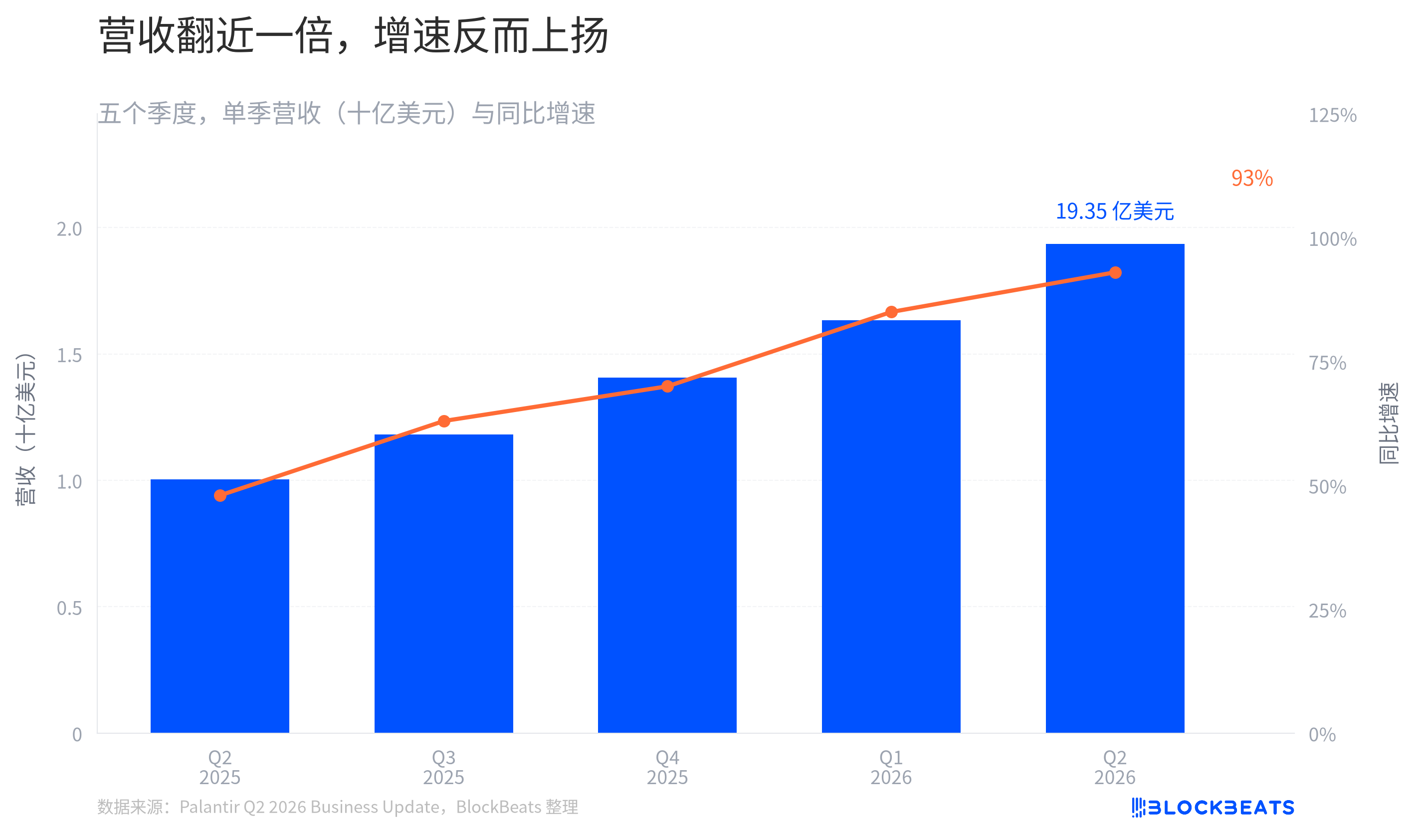
Many companies may have a suddenly bright quarter but struggle to sustain that brightness over multiple quarters. The Palantir shown in Chart One is closer to the latter. Based on the company's financial disclosures, quarterly revenue has grown from $10.04 billion in the second quarter of 2025 to $19.35 billion this quarter.
What is more worth examining is the slope. The company revealed that the year-over-year revenue growth rate during this period increased from 48% to 93%. The sequential growth in the following quarters has not fluctuated significantly; it's like a continuous conveyor belt moving forward. The growth was already happening in the previous year, and today's year-over-year growth is still accelerating, which better explains the shape on the chart than a one-time large deal.
This doesn't automatically mean that high growth rates will persist in the long term. Enterprise software revenue will still be affected by contract timing and project acceptance. At the very least, it indicates that Palantir's revenue this time is not just lifted by a low base. As the scale increases, the growth rate continues to rise.
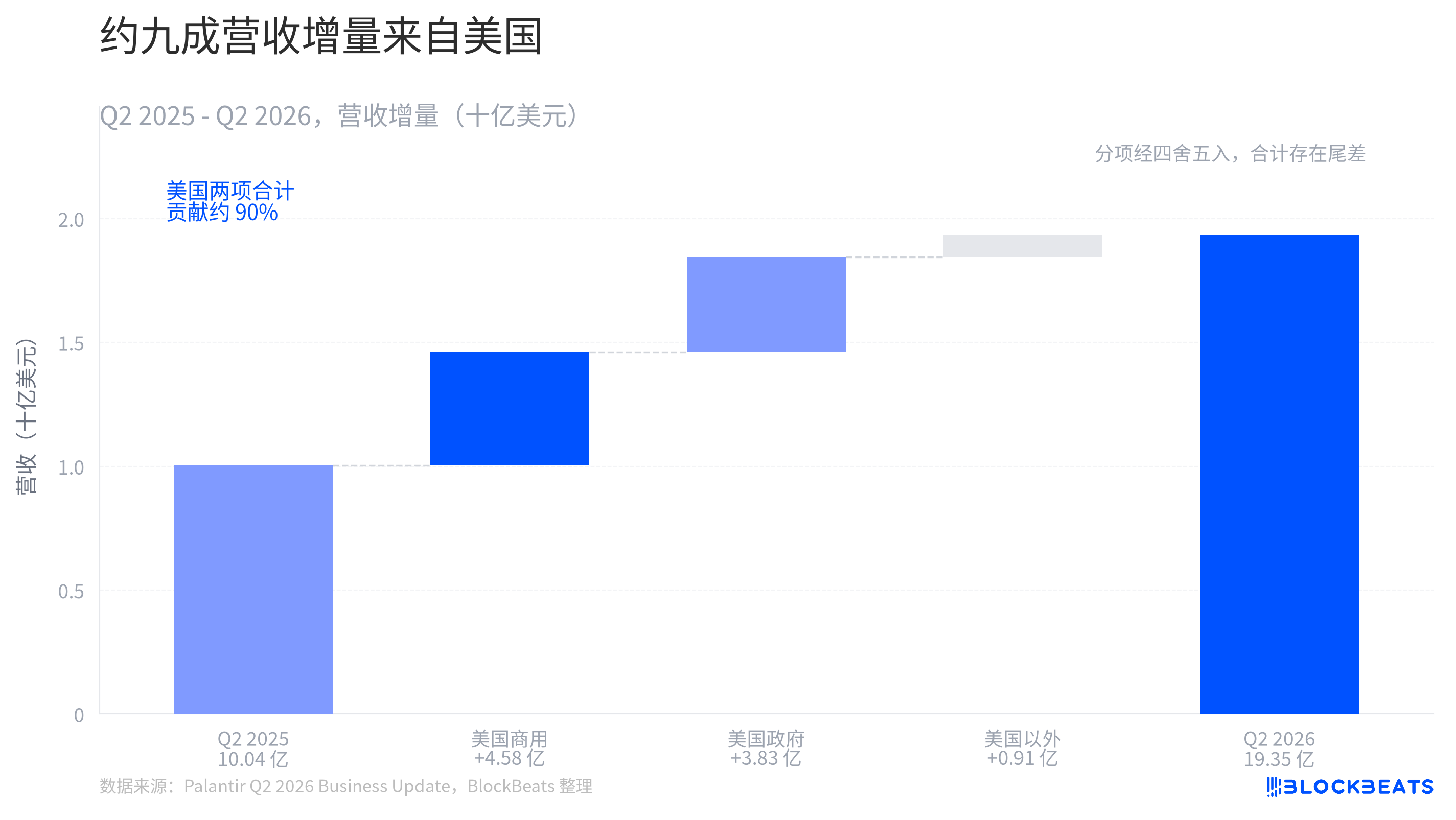
After breaking down the additional annual revenue in Chart Two, the center of gravity becomes clear. According to the company's report, the U.S. Commercial and Government segments together contributed about 90% of the total revenue increase.
The company disclosed that the U.S. Commercial segment added approximately $458 million, while the U.S. Government segment added about $383 million. The former is the largest single source, and the latter has not slowed down either. For a company with a long-standing government software label, the waterfall chart presents not a solo sprint by a department but a simultaneous push in U.S. revenue from both commercial and government ends.
Commercial revenue growth outpaced, making the U.S. Commercial segment the largest single source. Palantir emphasized in its shareholder letter that the company does not charge based on clicks, tokens, or chat counts but on the economic value customers derive. This approach can explain how the management defines the commercial value of the product, but the financial report did not further break down this quarter's commercial revenue by customer use case or billing method.
This structure also has its limits. The "Rest of World" in the graph is the calculated value of total revenue minus US revenue, with regional details coming from the company's rounded disclosure. It is enough to illustrate the US portion but cannot be used to infer the standalone performance of a specific overseas market.
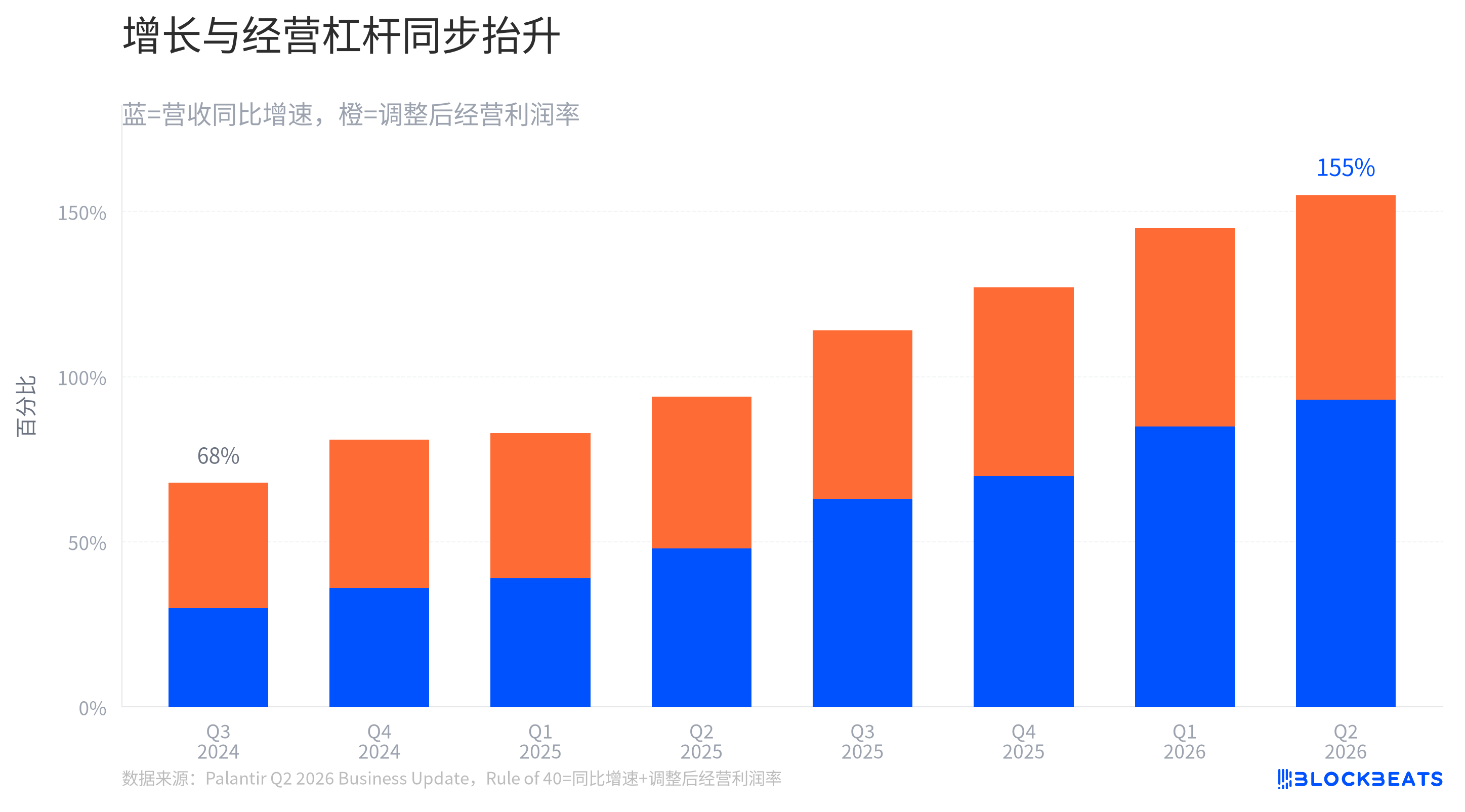
Software companies like to talk about the Rule of 40 because it puts growth and profit margin on the same scale. According to the company's financial report, Palantir's metric has increased from 68% to 155%. The blue part represents revenue year-over-year growth, and the orange part represents adjusted operating margin, both trending upwards.
There is a nuance here that is easy to overlook. The disclosed adjusted operating margin of the company is 62%, excluding stock-based compensation and related employer payroll taxes. It is suitable for observing operating leverage but is not another report card that can replace the income statement.
When including the adjustment items back, according to the company's financial report, the second-quarter GAAP operating margin is 47%. This is the most substantial part of Figure 3. The company is not only looking light in the adjusted metric but has also left a considerable profit margin in the official accounting metric.
For the reader, you can think of it as a store where foot traffic and gross profit are rising simultaneously. Foot traffic increasing is not uncommon, and a thickening gross profit is also not uncommon. Only when both happen simultaneously does the operating leverage transition from a term in the financial report to a machine that is already running.
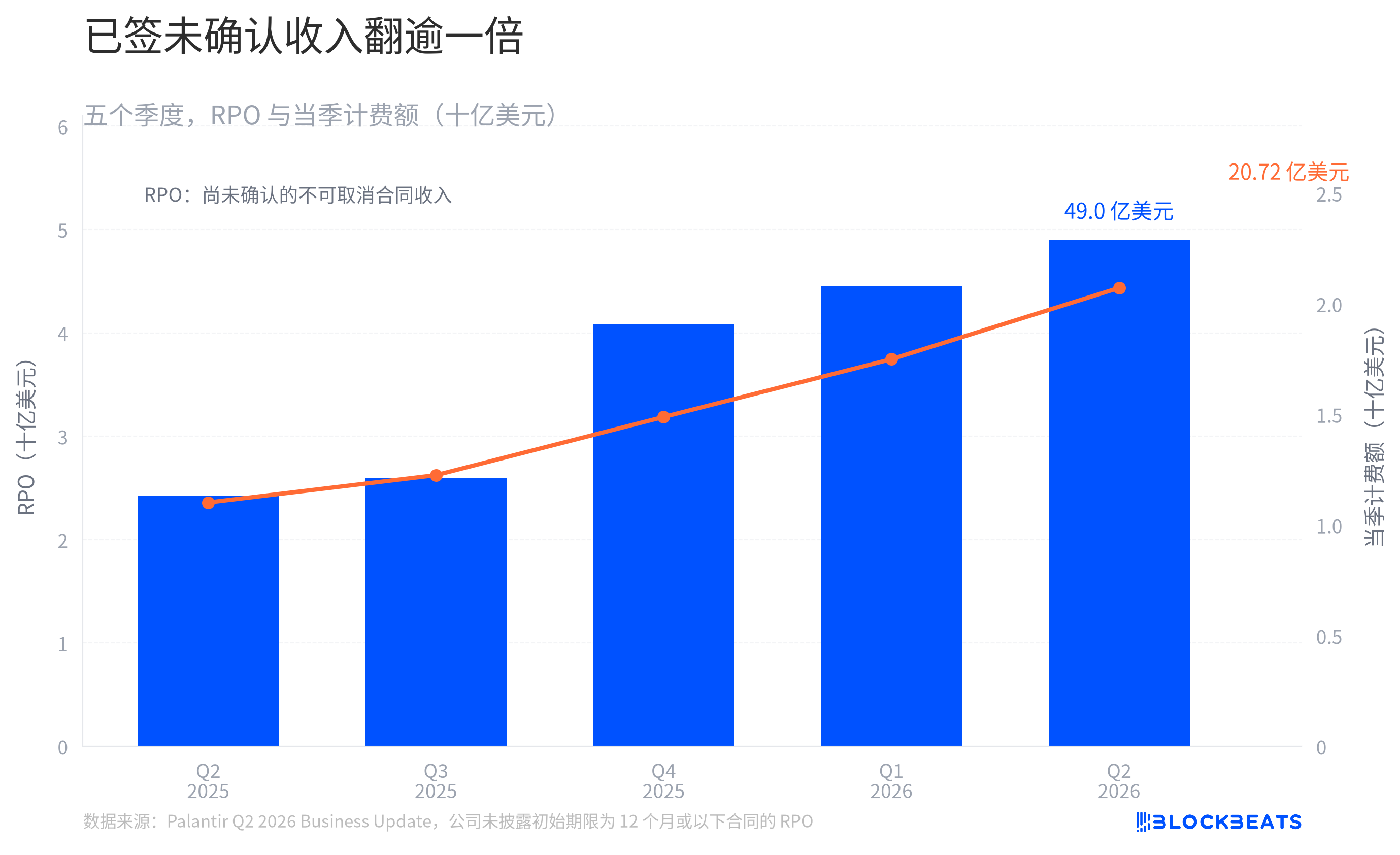
When management adjusts guidance, the most critical thing to look at is not the wording but whether there is anything else piled up at the doorstep before revenue recognition. According to the company's financial report, Palantir's Remaining Performance Obligation (RPO) increased from $2.42 billion to $4.90 billion. RPO refers to contracted, not yet recognized, and non-cancelable revenue, which can be understood as orders that have been placed on the production line but have not all been recorded in the current revenue.
The company's financial report shows that quarterly Billings also increased from $1.102 billion to $2.072 billion. It combines recognized revenue and changes in contract liabilities, like customers moving more goods into the warehouse first, some of which have not reached the revenue recognition counter. Both lines trending upwards provide a more verifiable base layer for higher annual expectations.
However, contract metrics should not be read as definitive revenue. The company chooses not to disclose RPO for contracts with initial terms of 12 months or less, and Billings do not equate to revenue that will be recognized in the future. The contract table can offer direction but cannot replace the revenue answers for the next quarter.
According to the company's financial report, Palantir's latest full-year revenue guidance is approximately $81.5 billion, which is nearly $10 billion higher than the initial guidance at the beginning of the year. Placing this sentence back into Figure 4 would make the reading more restrained. The guidance has been revised upward, supported by the increasing RPO and billing amounts, but revenue still needs to go through delivery and recognition.
The key point of this Palantir financial report is not about reiterating AI. It has left the same thing on three auditable tables, with revenue accelerating, GAAP profit holding steady, and unrecognizable non-cancelable contract revenue increasing. The next time you read its financial report, perhaps what is more worth focusing on is not a new product slogan, but whether these three metrics can continue to trend in the same direction.
Recommended
Desk: Brent Crude Tops $110, Musk's Net Worth Drops 528.6 Billion in Four Days After Tesla Roadster Launch
Oct 17, 21:49
JST Fifth Buyback and Burn Successfully Concludes: Over 170 Million Tokens Worth Approximately $23.53 Million Burned, Buyback Mechanism Set for Comprehensive Upgrade
Oct 17, 20:10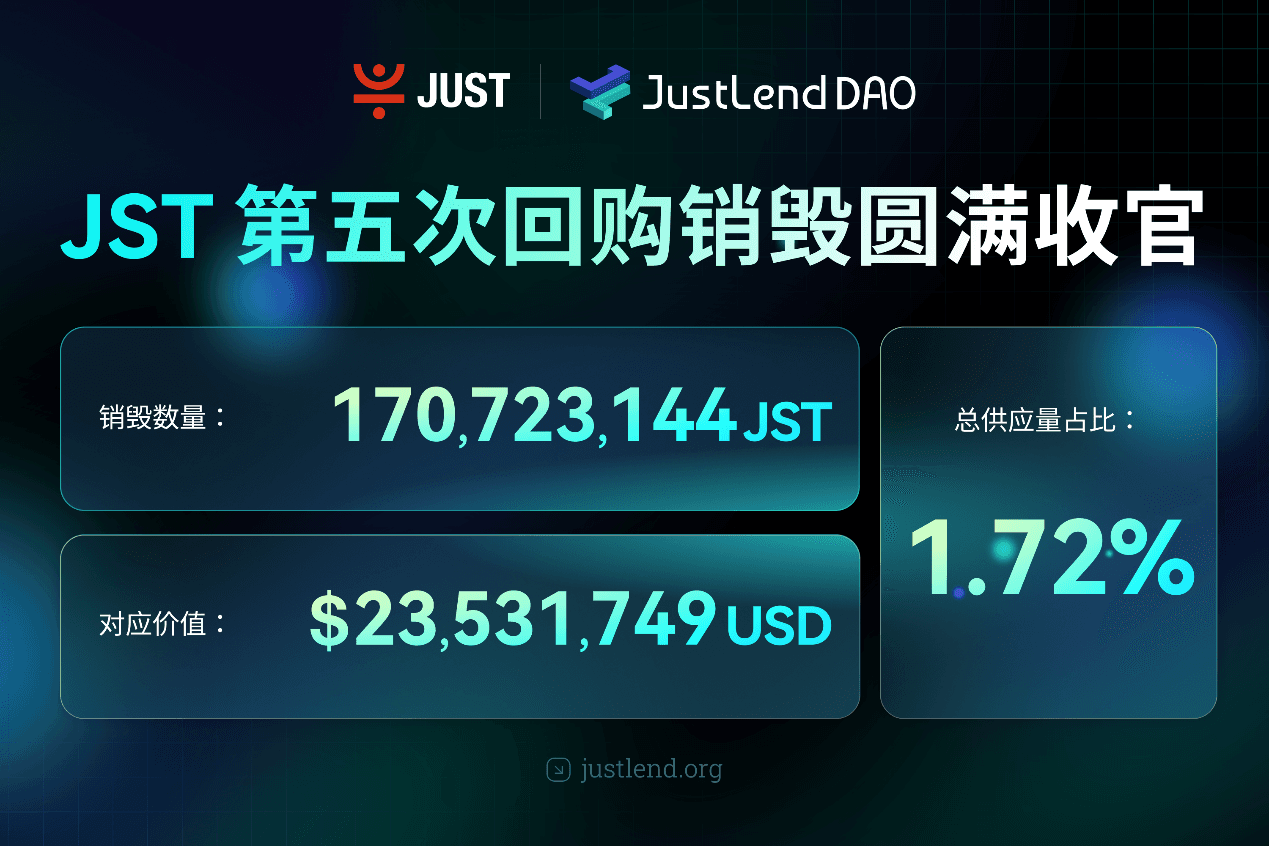
BitTorrent Brand Upgrade and Initial BTT Buyback & Burn Launch Simultaneously, Dual Engines Usher in New Era of Web3 Infrastructure
Oct 17, 20:00
Asia Market Daily: Japan's BOJ signals more rate hikes while Korea targets offshore perpetual platforms (2026/10/17)
Oct 17, 17:01Why did Papertrade backfire on you?
Oct 17, 17:01
The 'Strict Father' of Northern Myanmar: This Company Deploys 200,000 "AI Best Actors" to Strike Back Against Scammers
Oct 17, 15:34