$60 million Market Cap Meme Coin Plunges 65% in One Minute, FOMO Reignites Doubts

$CATE, one of the most hyped meme coins on Solana recently, has gone parabolic in just over a week, skyrocketing from a market cap of over $2,000 to briefly surpass $80 million, only to crash 65% in a flash in the early hours of yesterday:
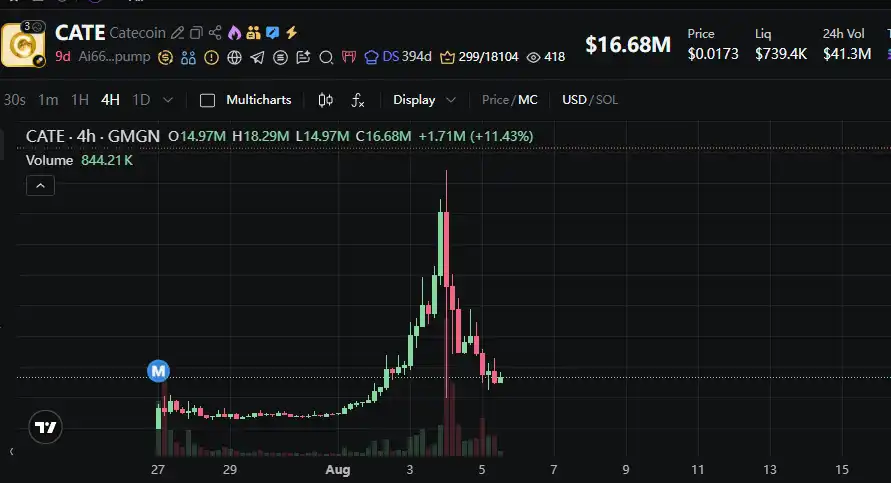
For veterans of the chain, such price action from a meme coin is not particularly surprising. However, for it to happen to a focal point coin is quite dramatic, once again revealing some harsh realities of the current market.
Let's start with why this coin crashed. Players have been quick to come up with reasons for this massive flash crash:
- $CATE's X account was suddenly frozen
- FOMO crashed, locking users out of trades during the crash
The X account freeze is understandable, but why would a fomo crash trigger such a downturn for this coin?
Because, just as $ANSEM thrives on Ansem's traffic and overt support, $CATE relies on the traffic and overt support of "Little Ansem" Poorgoat.
Poorgoat, a FOMO Hall of Famer (recognized by the FOMO officials for achieving significant gains on FOMO and listed in the Hall of Fame), topped the 7-day profit leaderboard on FOMO and ranked 2nd on the 30-day profit leaderboard. His average entry point on $CATE was around a $1.4 million market cap, with a total investment of about $44,700. When the coin reached its peak price, based on this single transaction alone, his profits exceeded $2 million.
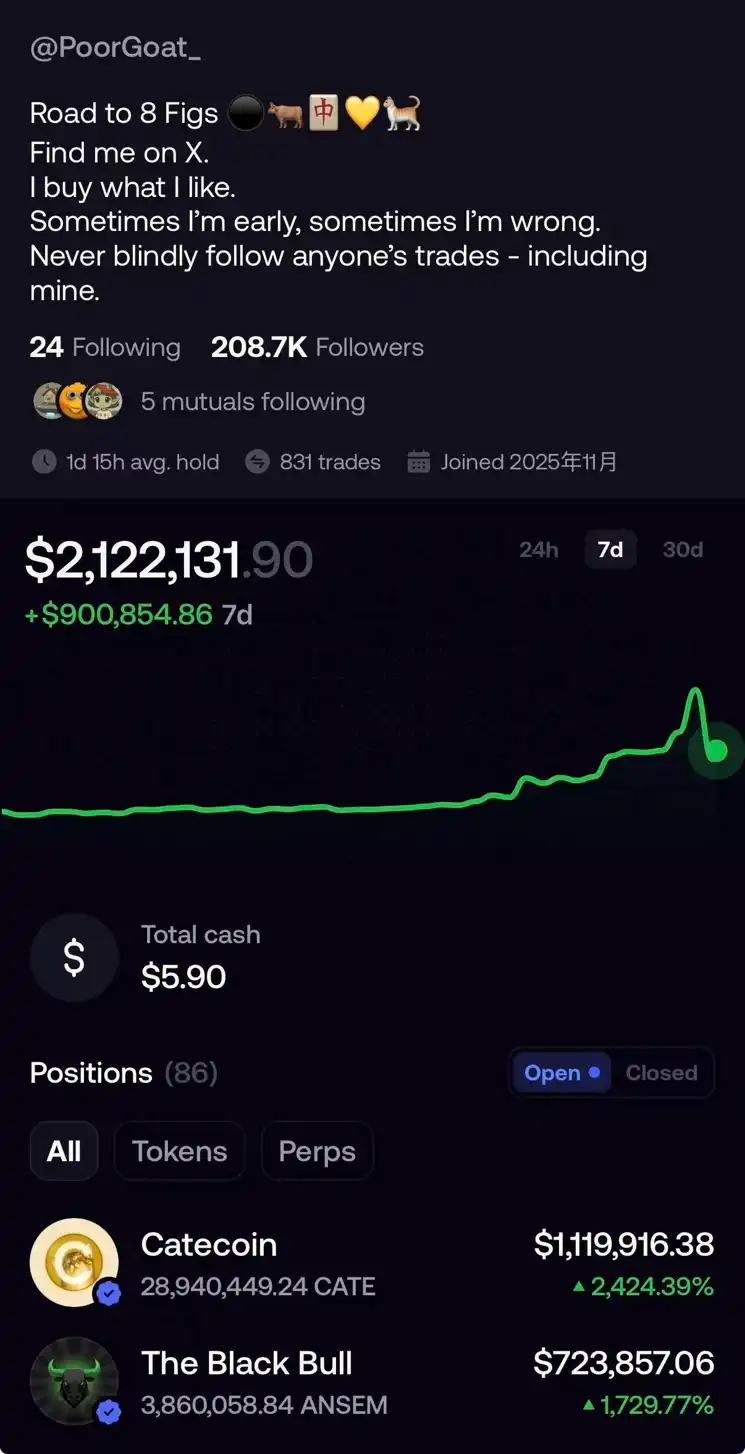
Starting with a $30,000 airdropped $ANSEM that he took to nearly $1.75 million at its peak, he gained notoriety. Today, he has amassed over 208,000 followers on FOMO.
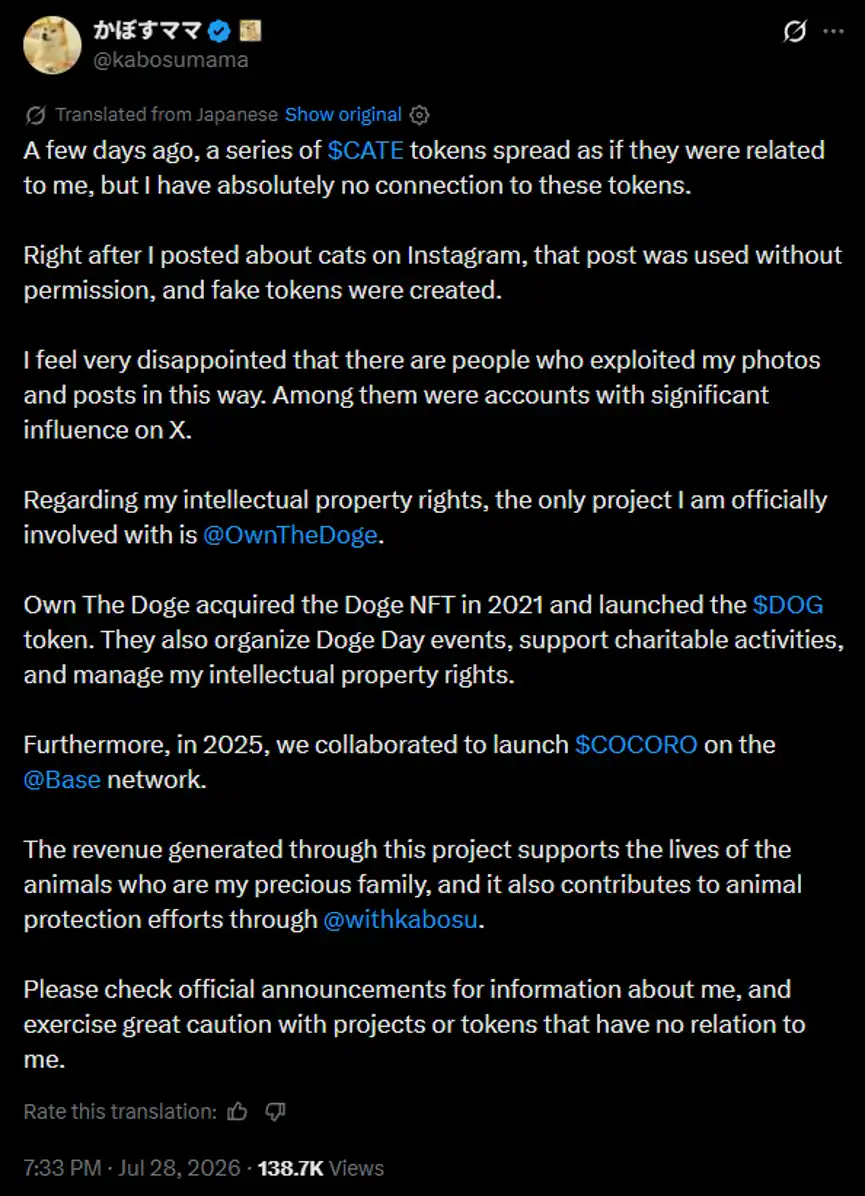
By now, you should understand why the FOMO crash is considered a key factor in the coin's flash crash—because ultimately, this coin lacks any narrative novelty; it's essentially just Doge's "Cat Sister," with even Doge's creator coming forward to deny any association with the coin:
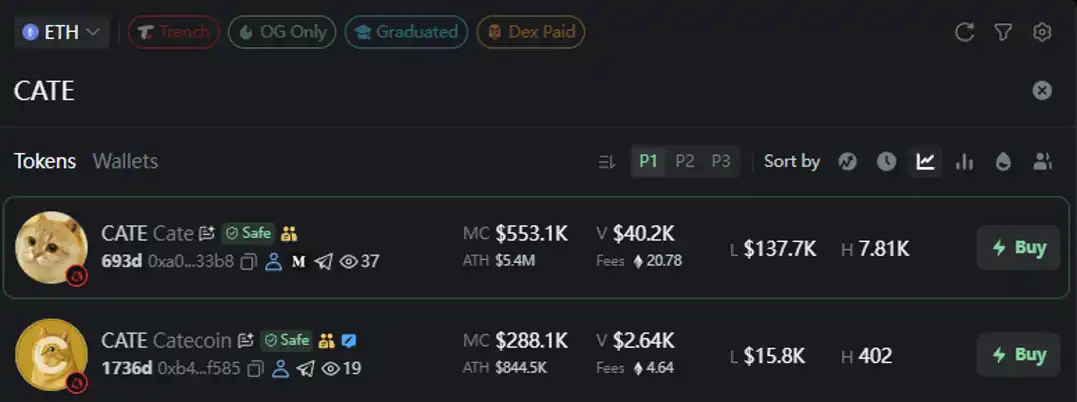
Moreover, the narrative on the ETH mainnet has been in place for quite some time and has not shown any signs of a revival:
What further fueled the controversy surrounding this flash crash is that Poorgoat, as the current flagship of FOMO, essentially the CTO of the coin, wrote a lengthy post on X proving that the coin was "organic":

However, even an "organic" coin that currently has over 60,000 holding addresses was still rug pulled by over 60% in just 1 minute due to a trading volume of less than $1.5 million:

This is the harsh reality we are facing. In the current market, any token that has taken the "organic" community-building route (excluding tokens like $SPX and $MOG that have left a strong impression from previous environments) may have a market cap of only around $neet's current $17 million. We won't go into detail as to why $neet is considered organic; just look at the token's performance over the past 460+ days, and everything becomes clear:

Next, let's discuss why FOMO has sparked such a huge controversy this time.
In fact, earlier this year, during the week when the "Nietzsche Penguin" $PENGUIN surged 6,000x and now boasts a trading volume of around $138,000 on FOMO, traders were very impressed by logjam's performance. At that time, logjam made approximately $564,000 in profit from $PENGUIN, and no one doubted it; instead, they all acknowledged and congratulated.
However, the rise of $ANSEM's former player in the "airdrop to riches" game, which is the pioneer of the tactic where a small group is airdropped tokens and then pumps the price, made famous by $unc, escalated the controversy in FOMO. Many of those benefiting from the airdrop are active KOLs on FOMO, and they heavily promoted the gains from the airdrop, dominating weekly and monthly leaderboards and becoming live billboards for this airdropped coin. As a result, some players gradually began to suspect that FOMO data was being manipulated. This suspicion led to the creation of some conspiracy theories involving KOLs, all aimed at attracting more users to the app, with the ultimate goal of allowing KOLs to reap the rewards once the goal was achieved.
Regardless of whether insider trading actually exists, as long as players can associate it in their minds, it will definitely cause players to abhor it. This is vividly demonstrated on BSC. Moreover, the most appropriate reason for the sharp decline of $CATE this time is that "fomo crashed," not because everyone thought this coin was highly associated with fomo, making it a significant bearish signal. Rather, the timing was just too coincidental. Everyone felt that a reason was found to trap many users who traded based on fomo.
Currently, there are still over 60,000 holders of $CATE, and the number of holders displayed on fomo exceeds 38,400, indicating that over 60% of the holder addresses are from fomo. If many of these addresses were created by fomo itself in bulk, then fomo is highly suspected of manipulation. If not, then the most affected are the retail investors on fomo.
Another highly controversial issue is that MarcellxMarcell, a trader with nearly 40,000 followers on fomo, "topped out" on $CATE when it had a market cap of around $45 million. Even though during the fomo crash, exporting the address still allowed on-chain transactions, the community still questions: if you publicly bought in near a $30 million market cap, indicating significant confidence, why would you then believe that a fomo crash would be a huge bearish signal?
Recently, in the updated user terms of fomo, it explicitly stated that no guarantee is provided for user asset security. However, to export fomo's address, one still needs to log in to fomo's page to obtain the private key. The process of fomo transmitting the private key to the page is also questioned regarding whether it is encrypted securely enough.

The official explanation given by fomo is that the surge in users caused an overload, which many players find hard to accept because the trading volume during $CATE's flash crash for that one minute was not considered very high. Brother, you received a $75 million funding, and in less than 5 minutes, a trading volume of less than $5 million paralyzed you?
If you had always used on-chain trading terminals like gmgn, you wouldn't have encountered this kind of unprepared slaughter.
With fame comes controversy, but in the rapid development of fomo, the criticisms it faces are not entirely unfounded.
Recommended
Desk: Brent Crude Tops $110, Musk's Net Worth Drops 528.6 Billion in Four Days After Tesla Roadster Launch
Oct 17, 21:49
JST Fifth Buyback and Burn Successfully Concludes: Over 170 Million Tokens Worth Approximately $23.53 Million Burned, Buyback Mechanism Set for Comprehensive Upgrade
Oct 17, 20:10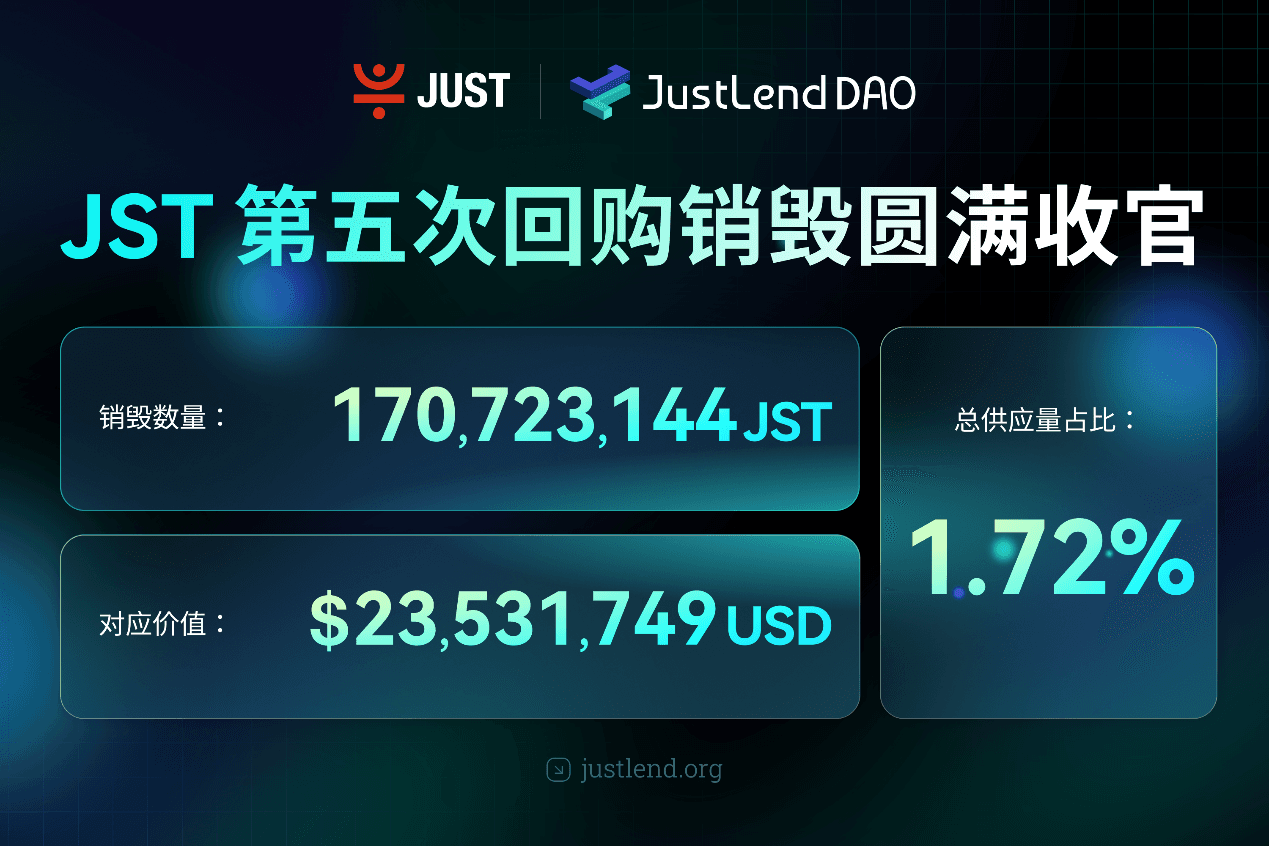
BitTorrent Brand Upgrade and Initial BTT Buyback & Burn Launch Simultaneously, Dual Engines Usher in New Era of Web3 Infrastructure
Oct 17, 20:00
Asia Market Daily: Japan's BOJ signals more rate hikes while Korea targets offshore perpetual platforms (2026/10/17)
Oct 17, 17:01Why did Papertrade backfire on you?
Oct 17, 17:01
The 'Strict Father' of Northern Myanmar: This Company Deploys 200,000 "AI Best Actors" to Strike Back Against Scammers
Oct 17, 15:34