Wall Street "Conspiracy Theory": Did Powell Deliberately Push Up Long-Term Treasury Yields?

There has been a market rumor that Fed Chair Powell deliberately raised long-term Treasury yields through a press conference to tighten financial conditions. Bank of America Securities explicitly disagreed with this rumor, stating that it does not align with the Fed's operational framework and would unlikely have the support of the FOMC.
According to Windcatch Trading Desk, Bank of America Securities mentioned in a rate research report released on August 7 that after the July FOMC meeting, long-term Treasury yields surged, leading to a widening of the inflation breakeven rate. Some clients speculated that this was Powell's intentional move—to suppress inflation, counter loose financial conditions and speculative investments, Powell would need to raise long-term rates, with the press conference being a tool in his plan.
Bank of America Securities' rate strategist Mark Cabana and economist Aditya Bhave directly refuted this speculation in the report, stating that other FOMC members would also likely not support this theory. The sharp rise in long-term rates last week and the widening of inflation expectations served as a reminder of the risks posed when the FOMC operates beyond its direct control.
Fed's Policy Framework: Federal Funds Rate Is the Core Tool
The report referenced the FOMC's "Statement on Longer-Run Goals and Monetary Policy Strategy," which explicitly lists "adjustments to the federal funds rate target range" as the primary tool for the FOMC to adjust its monetary policy stance, with broader tools only being used when the federal funds rate is constrained near the effective lower bound. The statement made no mention of long-term Treasury yields. The statement was initially effective in January 2012 and reaffirmed in January 2026.
The report emphasized that Powell does not have the authority to unilaterally change the Fed's policy implementation. If he intends to drive a shift in the operational framework, he would need the overall support of the FOMC, which is a high threshold to meet.
Long-Term Rates: Limited Control, Unmanageable Risks
The report further analyzed from an operational perspective why the Fed sticks to the overnight rate tool.
It pointed out that the Fed has direct and precise control over the overnight rate, with the ability to adjust through rate management and reserve throughput flexibility. The Fed has a rich history of operational experience, making rate fluctuations relatively manageable. However, its limitation lies in the transmission to long-term rates, which depends on market expectations of the future policy path. The Fed can only indirectly influence this through communication and forward guidance.
In contrast, the Federal Reserve has very limited direct influence on long-term interest rates—unless it resorts to large-scale asset purchase programs (LSAPs). Other influences on long-term interest rates are all indirect, mainly transmitted through policy expectations or the term premium channel. The report particularly points out that the term premium is difficult to precisely control, carries the risk of overshooting, and once out of control, the volatility could be significant.
FOMC Will Not Easily Abandon Controllable Tools
The sharp rise in long-term interest rates last week itself served as a warning signal, prompting the FOMC to soberly realize the potential cost of operating beyond its direct control range. The report concludes that the FOMC is unlikely to be enthusiastic about supporting such policy tools with little experience and insufficient validation.
Bank of America Securities' ultimate conclusion is clear and concise: Powell cannot unilaterally change the FOMC's operational practices, and the FOMC is highly likely to continue using the overnight rate as its core policy tool. The so-called "four-dimensional chess game" of long-term interest rate manipulation is nothing more than market overinterpretation.
Recommended
Desk: Brent Crude Tops $110, Musk's Net Worth Drops 528.6 Billion in Four Days After Tesla Roadster Launch
Oct 17, 21:49
JST Fifth Buyback and Burn Successfully Concludes: Over 170 Million Tokens Worth Approximately $23.53 Million Burned, Buyback Mechanism Set for Comprehensive Upgrade
Oct 17, 20:10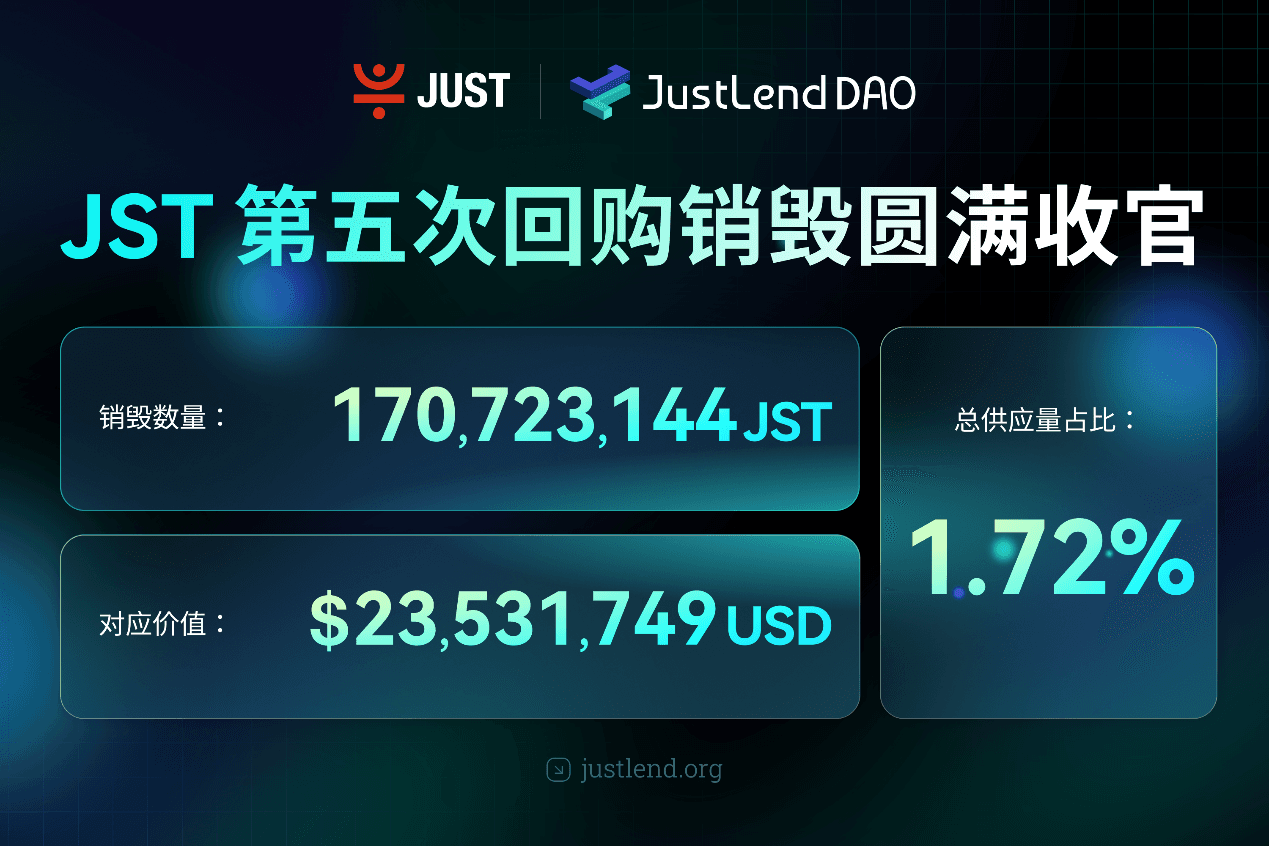
BitTorrent Brand Upgrade and Initial BTT Buyback & Burn Launch Simultaneously, Dual Engines Usher in New Era of Web3 Infrastructure
Oct 17, 20:00
Asia Market Daily: Japan's BOJ signals more rate hikes while Korea targets offshore perpetual platforms (2026/10/17)
Oct 17, 17:01Why did Papertrade backfire on you?
Oct 17, 17:01
The 'Strict Father' of Northern Myanmar: This Company Deploys 200,000 "AI Best Actors" to Strike Back Against Scammers
Oct 17, 15:34