The Bank of Japan to Hike Rates in September, Will Yen Bears Flee?

TL;DR
· The Bank of Japan released the minutes of its July meeting on August 10, with a hawkish tone that drove the market to price in a rate hike in the coming months.
· The focus of the market is not whether Japan will intervene again, but whether a rate hike can increase the cost of shorting the yen.
· Related assets: USD/JPY, yen crosses, short-term JGBs, Japanese stock market, yen-funded carry trades.
After the Bank of Japan released the summary of its July meeting on August 10, the market repriced Japan's near-term rate hike path, giving short-term support to the yen and putting upward pressure on short-term JGBs.
This summary did not commit to a rate hike in September, but it reintroduced a scenario that had previously been overshadowed: whether the timing purchased by the Japanese Ministry of Finance intervention can be picked up by a rate hike by the Bank of Japan.
For investors, this is not just a forex issue. For the past few years, the yen has been a key funding currency for global carry trades. Borrowing yen at low rates to buy high-yielding assets underpins many macro trades.
What the market is trading now is not a central bank document, but a timetable. Intervention can disrupt the depreciation trend, but a rate hike may be the only thing that can change the cost of shorting the yen.
Intervention Buys Time, Rate Hike Changes Funding Cost
The most direct impact of exchange rate intervention is to interrupt one-sided depreciation expectations. The Japanese Ministry of Finance buying yen and selling foreign exchange reserves can make short sellers hesitate to continue shorting in the short term. However, if the interest rate differential structure remains the same, the market will quickly return to the same question: why not continue borrowing cheap yen?
This is the limit of intervention. It can create deterrence but is difficult to independently change the cost of funding. What really affects carry trades is the path of interest rates. If the Bank of Japan continues its gradual normalization while U.S. rates remain attractive, the logic of shorting the yen and buying high-yield assets will not disappear.
Documents on the Bank of Japan's official website show that after the meeting on July 30-31, the policy statement maintained the uncollateralized overnight call rate at around 1.0% by an 8:1 vote, with board member Takahashi Sugi opposed and proposing to raise it to 1.25%.
Looking at the outcome alone, the meeting was not aggressive. The change lies in the temperature of the discussion in the summary. Some opinions emphasized the need to continue raising the policy rate, focusing on the risk of upward prices, and mentioned that the pace of rate hikes may be faster than market expectations.
These statements are not a commitment to definitely raise rates at the next meeting, but more like a conditional warning. In plain language, the Bank of Japan does not want the market to assume it will only move slowly. If inflation, wages, and exchange rate pressures persist, it may act sooner.
Rethinking Near-Term Rate Hike Pricing
Following the decision to keep rates unchanged at the July meeting, the market could have continued trading the "Bank of Japan is very slow" narrative. However, after the release of the summary of opinions, the focus shifted from "they didn't hike this time" to "will they hike next time".
Market quotes and interest rate swap pricing indicate that traders have increased their expectations of a near-term rate hike. This shift is not part of the official roadmap but rather an immediate reassessment by the market of the central bank's communication: if the Bank is concerned about upside inflation and yen depreciation pass-through, it cannot afford to wait indefinitely.
Haruhiko Kuroda is crucial in this chain. As the Governor of the Bank of Japan, he has previously focused on the risks of upward price pressures and emphasized the need for a more serious discussion on price pressures at future meetings. The Governor's remarks combined with the hawkish language in the summary make a rate hike in September or October no longer just a very low probability scenario.
There is also a risk of misinterpretation here. The Bank of Japan still emphasizes data dependency, with wages, service prices, import costs, and energy prices all influencing decisions. The summary mentions exchange rates, AI demand, and the Middle East situation as sources of upward price pressure, but whether these variables can be sustained requires further data confirmation.
Therefore, the yen has received conditional support this time. As long as the market believes the Bank of Japan will use rate hikes to stabilize the exchange rate, USD/JPY will be under pressure. Once subsequent communications fade this interpretation, or if the data does not support further tightening, this pricing could reverse.
U.S. Attitude Makes Trading More Like a Policy Mix
Another external variable in this yen trade is the U.S. attitude.
According to Axios on August 3, U.S. Treasury Secretary Janet Yellen stated that the U.S. would not hesitate to engage in further coordinated intervention. Prior to this, Reuters also mentioned that Yellen's statement signals Washington's desire for Japan to have more room for rate adjustments.
Whether the U.S. will actually intervene is one thing, publicly supporting it is another. The latter at least increases the political feasibility of Japan's exchange rate stabilizing actions and weakens market confidence in betting on Japan's "solo efforts".
This does not mean the U.S. can decide on Japan's interest rates. A more accurate understanding is that intervention, U.S. support, and central bank hawkish communication have been put into the same trading framework by the market. In the past, yen shorts could view intervention as a one-off event, with officials stepping in, the market avoiding for a few days, and then continuing to trade based on interest rate differentials.
When intervention is accompanied by external support, a hawkish central bank summary, and rising short-end yields, the trading dynamic changes. The market is no longer just asking whether Japan will intervene to buy the yen again, but whether the Bank of Japan is prepared to raise the cost of shorting the yen.
For investors in crypto and other highly volatile assets, the risk is also present here. If the yen funding carry trade unwinds, the impact may not be limited to the forex market. Increased funding costs, leveraged deleveraging, and heightened risk aversion could all transmit to risk assets.
Data and Politics Will Determine the Reassessment
This reassessment has not yet reached the stage of a "yen trend reversal confirmation." It is more like a window: the market is pricing in faster rate hikes first, waiting for the Bank of Japan to confirm through communication and data.
The domestic political environment in Japan will constrain the slope of this window. The Kishida administration aims for fiscal expansion and reducing pressure on residents' cost of living, so tensions may arise between tax cuts, spending, and funding costs and the central bank tightening. The government hopes to stabilize prices and the exchange rate, but may not be willing to bear the funding pressure from a too-rapid rate hike.
The Bank of Japan's dilemma lies in the fact that neither extreme is viable. A weak yen would increase import prices, making it harder for inflation to return to a manageable range; however, speeding up rate hikes could suppress demand, raise bond yields, and increase fiscal pressure.
Whether yen shorts are really going to unwind cannot be determined solely by observing whether the probability of a near-term rate hike continues to rise. More crucially, it depends on whether the upcoming communication from Governor Kuroda and Deputy Governor Amamiya continues to strengthen the upside risks, whether inflation and wage data support a rate hike before September, and whether U.S. support for Japan's exchange rate stabilization measures persists.
If these variables continue to align, intervention will not only be a time-buying move but will become the starting point for rate hike expectations. If any of these links weaken, the support for the yen may still be limited to a short-term rebound rather than a trend reassessment.
Recommended
Desk: Brent Crude Tops $110, Musk's Net Worth Drops 528.6 Billion in Four Days After Tesla Roadster Launch
Oct 17, 21:49
JST Fifth Buyback and Burn Successfully Concludes: Over 170 Million Tokens Worth Approximately $23.53 Million Burned, Buyback Mechanism Set for Comprehensive Upgrade
Oct 17, 20:10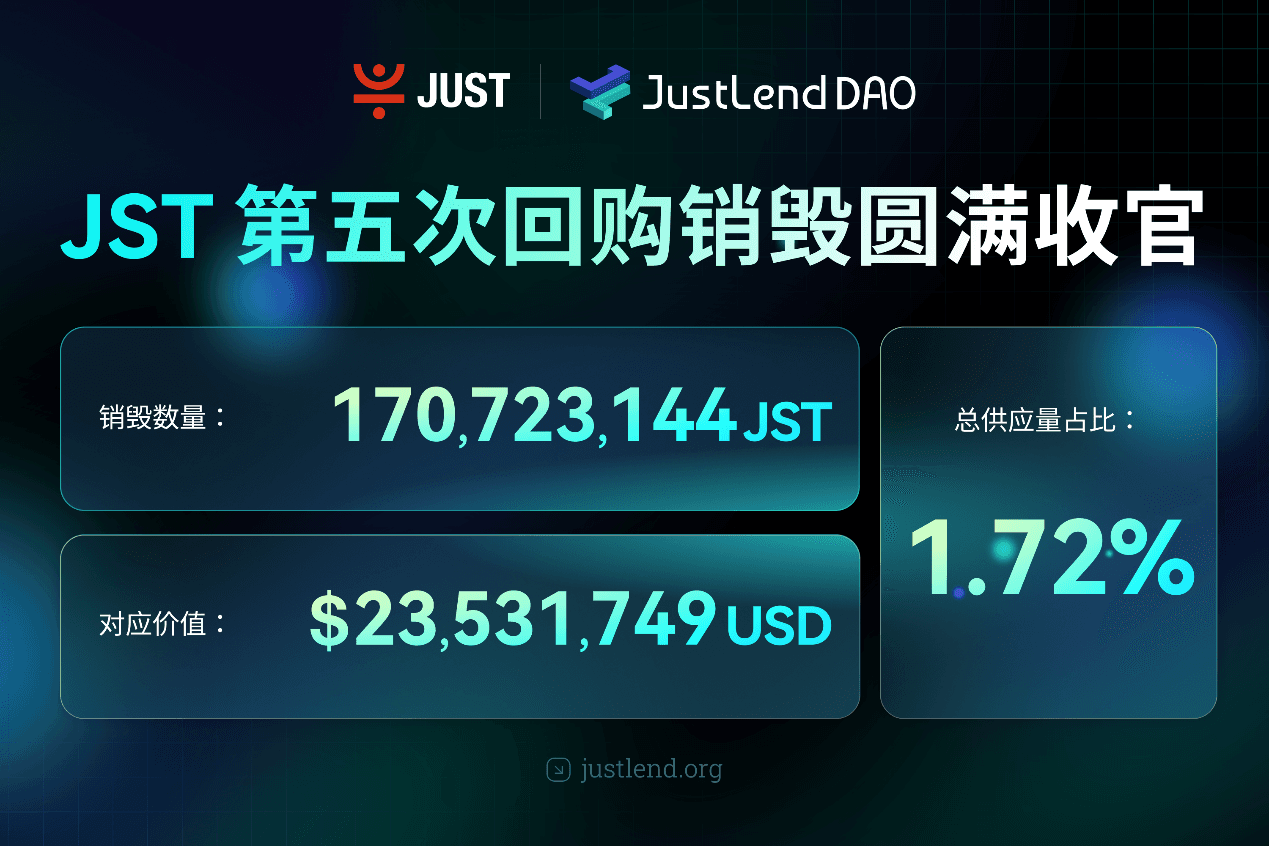
BitTorrent Brand Upgrade and Initial BTT Buyback & Burn Launch Simultaneously, Dual Engines Usher in New Era of Web3 Infrastructure
Oct 17, 20:00
Asia Market Daily: Japan's BOJ signals more rate hikes while Korea targets offshore perpetual platforms (2026/10/17)
Oct 17, 17:01Why did Papertrade backfire on you?
Oct 17, 17:01
The 'Strict Father' of Northern Myanmar: This Company Deploys 200,000 "AI Best Actors" to Strike Back Against Scammers
Oct 17, 15:34