Road Tax 2027: New UK Car Tax Rates From April and What You'll Pay
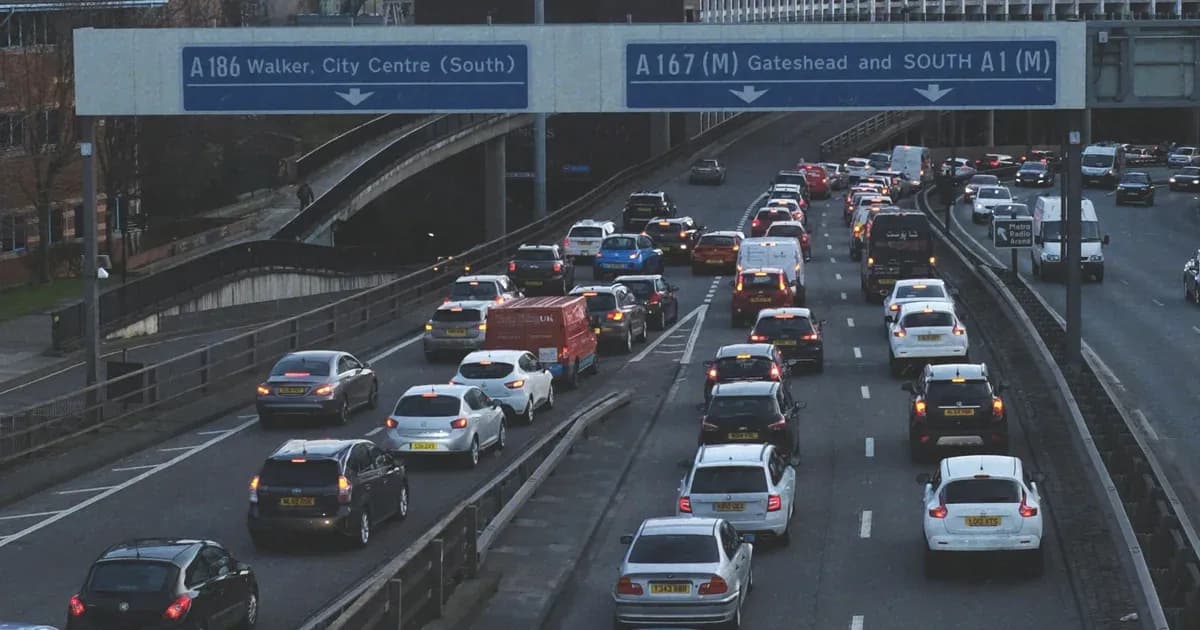
If your car tax reminder arrives after 31 March 2027, the bill will be a little higher than last time. So how much more will you pay, and is anything else changing for drivers?
Road tax in 2027 rises with inflation from 1 April 2027. The flat rate most post-2017 cars pay goes from £200 to £210 a year, older 2001–2017 cars rise by up to £35, and pre-2001 cars go to £240 or £390. The government confirmed the uprating in Budget 2026, published on 28 October 2026, and listed every new rate in Annex A.
Below you'll find your car's new rate, six worked examples, what monthly payment adds, and how the 3p-a-mile charge for electric cars from April 2028 changes the maths.
Last updated: 21 November 2026. Rates checked against GOV.UK's Budget 2026 Annex A and DVLA rate tables on this date. Applies to the UK; figures in pounds sterling
At a Glance
- £200 → £210: the standard annual rate for cars first registered from 1 April 2017, petrol, diesel and electric alike, from 1 April 2027.
- Older cars: 2001–2017 bands D to M rise by £10 to £35; bands A to C stay at £20 or £35.
- Expensive cars: the supplement for cars over £40,000 (or £50,000 if zero-emission) is £460 a year in Annex A, up from £440.
- Monthly payers: paying by monthly Direct Debit still adds a 5% surcharge.
- Electric and plug-in hybrid cars: a new mileage charge of 3p or 1.5p a mile starts on 1 April 2028, on top of normal road tax.
What changes on 1 April 2027?
On 1 April 2027 Vehicle Excise Duty (VED), the official name for road tax, goes up in line with the Retail Prices Index for cars, vans and motorcycles. The Treasury's overview of tax legislation and rates says the change will be legislated in Finance Bill 2026-27 and applies UK-wide unless stated otherwise.
Three other motoring changes sit alongside it, and they're worth knowing before you budget:
- Fuel duty: the temporary 5p-per-litre cut is extended from 1 January 2027 to 30 June 2027. On 1 July 2027 rates return to their pre-March-2022 level and are then uprated by RPI (OOTLAR 2.18).
- Business mileage: the tax-free mileage rate for business miles above 10,000 a year rises from 25p to 35p from 6 April 2027 (OOTLAR 2.7).
- Electric Vehicle Excise Duty (eVED): a pay-per-mile charge for battery electric, hydrogen and plug-in hybrid cars from 1 April 2028 (HMRC policy paper).
Step 1: Work out which road tax table your car is on
Your car's first registration date decides which table applies, so start there.
- Registered on or after 1 April 2017: you paid a CO2-based first-year rate, then everyone pays the same flat standard rate (plus the expensive car supplement if it applies).
- Registered 1 March 2001 to 31 March 2017: you pay one of 13 CO2 bands, A to M, every year.
- Registered before 1 March 2001: you pay one of two rates based on engine size, unless the car is old enough to be exempt as a historic vehicle.
Step 2: Look up your 2027-28 rate
The tables below copy the 12-month rates from Budget 2026 Annex A. The first one covers cars registered between 1 March 2001 and 31 March 2017, the group that sees the biggest cash rises.
| Band (g/km CO2) | 2026-27 | 2027-28 | Change |
|---|---|---|---|
| A (up to 100) | £20 | £20 | £0 |
| B (101–110) | £20 | £20 | £0 |
| C (111–120) | £35 | £35 | £0 |
| D (121–130) | £170 | £180 | +£10 |
| E (131–140) | £200 | £210 | +£10 |
| F (141–150) | £225 | £235 | +£10 |
| G (151–165) | £275 | £290 | +£15 |
| H (166–175) | £325 | £340 | +£15 |
| I (176–185) | £360 | £375 | +£15 |
| J (186–200) | £410 | £430 | +£20 |
| K (201–225) | £445 | £465 | +£20 |
| L (226–255) | £760 | £795 | +£35 |
| M (over 255) | £790 | £825 | +£35 |
For cars registered from April 2017 the picture is simpler. After the first year every band pays the standard rate, which moves from £200 to £210. The first-year rates that apply when a new car is registered rise as well:
| CO2 (g/km) | First year 2026-27 | First year 2027-28 |
|---|---|---|
| 0 (zero-emission) | £10 | £10 |
| 1–50 | £115 | £120 |
| 111–130 | £455 | £475 |
| 131–150 | £560 | £585 |
| 151–170 | £1,410 | £1,475 |
| 191–225 | £3,420 | £3,575 |
| Over 255 | £5,690 | £5,950 |
That table shows selected bands; Annex A lists all 13. Cars and vans registered before 1 March 2001 go from £230 to £240 (engine 1,549cc or below) and from £375 to £390 (above 1,549cc). Diesel cars that don't meet the RDE2 emissions standard pay the first-year rate one band higher.
Six worked examples: what real cars will pay
These examples apply the published Annex A rates to typical situations. They're illustrations, not quotes for a specific car, so check yours on the DVLA rate tables before you pay.
1. A 2019 petrol hatchback (list price under £40,000)
You pay the standard rate: £200 in 2026-27, then £210 from April 2027. That's £10 more, or 5%.
2. A 2012 diesel estate emitting 158 g/km (band G)
Band G goes from £275 to £290, a £15 rise. If it emitted 180 g/km (band I), you'd go from £360 to £375.
3. A 2008 large SUV over 255 g/km (band M)
This is the top of the old scale: £790 becomes £825, a £35 rise, the largest annual increase for any 2001–2017 car.
4. A 1999 car with a 1.8-litre engine
Pre-2001 cars above 1,549cc move from £375 to £390. With a 1.4-litre engine you'd go from £230 to £240.
5. A £45,000 petrol SUV registered in 2024
It's over the £40,000 list-price line, so you pay the standard rate plus the expensive car supplement in years two to six. On GOV.UK today that's £200 + £440 = £640. Under Annex A, which sets the supplement at £460, it becomes £210 + £460 = £670 from April 2027, a £30 rise.
6. A new petrol car emitting 140 g/km, first registered in May 2027
The first-year rate in the 131–150 g/km band is £585, up from £560. From the second year you'd pay the £210 standard rate, assuming no change after 2027-28.
Paying monthly costs 5% more
GOV.UK says there's a 5% surcharge if you pay by Direct Debit monthly or every six months, and none if you pay for 12 months at once. The current tables show what that means: £200 a year becomes £210 over 12 monthly payments, and £640 becomes £672.
Applying the same 5% to the 2027-28 rates (our arithmetic, not a DVLA figure yet): £210 paid monthly totals about £220.50, and the £670 expensive-car bill totals about £703.50. If you can set the annual amount aside ahead of time, paying in one go saves that extra.
If you put money aside each month for that lump sum, our comparison of Premium Bonds vs a Cash ISA shows where short-term savings earn most. And if your Direct Debits sit with TSB, read what the Santander transfer changes before you set up a new mandate, or compare other UK current accounts.
How the 2028 pay-per-mile charge works for electric and plug-in hybrid cars
Electric car drivers already pay road tax: since 1 April 2025, GOV.UK confirms, electric cars, vans and motorcycles need vehicle tax. From 1 April 2028 they'll also pay Electric Vehicle Excise Duty, a mileage charge of 3p a mile for battery electric and hydrogen cars and 1.5p a mile for plug-in hybrids, according to HMRC’s eVED policy paper.
Here's how it works in practice. When you renew your VED, you'll give an odometer reading and estimate your mileage for the year ahead. You can pay upfront or spread it across the year, and the next year's reading settles any difference. Your first eVED bill comes at your first VED renewal after April 2028, and the rates rise with CPI from 2029-30.
The table works the charge out at three mileages. These are example mileages, not averages:
| Miles a year | Battery electric (3p) | Plug-in hybrid (1.5p) |
|---|---|---|
| 5,000 | £150 | £75 |
| 8,000 | £240 | £120 |
| 12,000 | £360 | £180 |
Because eVED is an extension of VED, it comes on top of the standard rate, not instead of it. So a battery electric car doing 8,000 miles would owe the year's standard VED rate plus about £240 in eVED. The 2028-29 standard rate hasn't been published yet, so that total can't be priced exactly today. HMRC expects around 5.6 million vehicles to be affected in 2028-29.
Who doesn't pay road tax
A few groups pay nothing, and one of them grows every year. Cars built before 1 January 1986 can stop paying vehicle tax from 1 April 2026 but you have to apply for the exemption (the ‘historic tax class’); it isn't automatic. GOV.UK also lists exemptions for vehicles used by disabled people (you claim when you tax the car) and for mobility vehicles. Hybrids, though, have to pay.
Common mistakes to avoid
- Using the list price after discounts. The supplement test uses the published list price before any discounts, so a discounted deal price doesn't take you under the £40,000 line.
- Assuming your EV is exempt. That ended on 1 April 2025. Electric cars registered from that date with a list price over £50,000 also pay the supplement.
- Forgetting the supplement ends. It applies for five years from the second time you tax the car. After that you drop back to the standard rate.
- Not checking the record after you pay. The vehicle tax checker can take up to two working days to update, so keep your confirmation.
🔎How we checked this guide: we read the 2026-27 and 2027-28 rate tables in HM Treasury's Budget 2026 Annex A, the OOTLAR measure notes (VED, fuel duty, mileage rates), HMRC's eVED policy paper and the DVLA rate, Direct Debit, exemption and historic-vehicle pages on GOV.UK on 21 November 2026. Worked examples apply those published rates. Monthly totals for 2027-28 are our 5% arithmetic. See our methodology. No provider paid for placement.
Bottom Line
For most drivers, road tax in 2027 means a £10 to £35 increase from April. The bigger changes come in two places. Cars over the list-price limit pay £670 a year, and from April 2028 electric and plug-in hybrid drivers start paying by the mile. If you're choosing a car in the next year, check its list price against the £40,000 and £50,000 limits, and if you're buying electric, estimate your annual mileage. And if you can pay yearly rather than monthly, you avoid the 5% surcharge.
Common Questions
Do I pay the new rate if my car tax renews in March 2027?
If your car tax renews in March 2027, the new rates don't apply yet, because they take effect from 1 April 2027 (OOTLAR 1.78). A 12-month licence starting before then is charged at the current GOV.UK rates.Is road tax the same in Scotland, Wales and Northern Ireland?
Road tax is the same across the UK. The Budget 2026 overview says its measures apply UK-wide unless specified otherwise. The rates in this guide apply in England, Scotland, Wales and Northern Ireland.Will eVED replace road tax for electric cars?
eVED won't replace road tax for electric cars. HMRC describes it as an extension of the current VED regime, renewed alongside your VED, so you'll pay the standard rate plus the mileage charge.Do vans and motorcycles go up too?
Vans and motorcycles do go up. Most vans registered from March 2001 rise from £360 to £375, and motorcycles over 600cc rise from £125 to £131, according to Annex A. Early Euro 4 and 5 vans and pre-2011 electric vans stay at £140.Sources: HM Treasury, Budget 2026 OOTLAR Annex A: rates and allowances; HM Treasury, Budget 2026 overview of tax legislation and rates; Budget 2026 document; HMRC, Electric Vehicle Excise Duty (eVED) policy paper; GOV.UK, vehicle tax rates; GOV.UK, vehicle tax Direct Debit; GOV.UK, vehicles exempt from vehicle tax; GOV.UK, historic vehicles. All read on 21 November 2026.
This content is provided for informational and educational purposes only and doesn't constitute financial, legal or tax advice. Rates were read from GOV.UK on 21 November 2026, are subject to Finance Bill 2026-27 and can change. Check your own vehicle's rate with the DVLA before paying.
Join the official Coincamps community:
Telegram: https://t.me/coin_camps
Recommended
22K vs 24K Gold (2026): Purity, Price and Resale Compared
Nov 21, 23:35
The Easy-Money Window Has Closed: Crypto's Four Liquidity Harvesting Machines
Nov 21, 22:40Large USDT Savings From Before Marriage: Must It Be Split 50/50 in a Divorce?
Nov 21, 20:55CZ's Japan Interview: From Binance to Giggle Academy, on Entrepreneurship, AI and Young People's Career Choices
Nov 21, 18:40Visa vs Mastercard in 2026: Fees, Perks and Acceptance
Nov 21, 15:18
Why Is the Stock Market Crashing? S&P 500 Enters Correction, 11.6% Below Record
Nov 21, 14:29