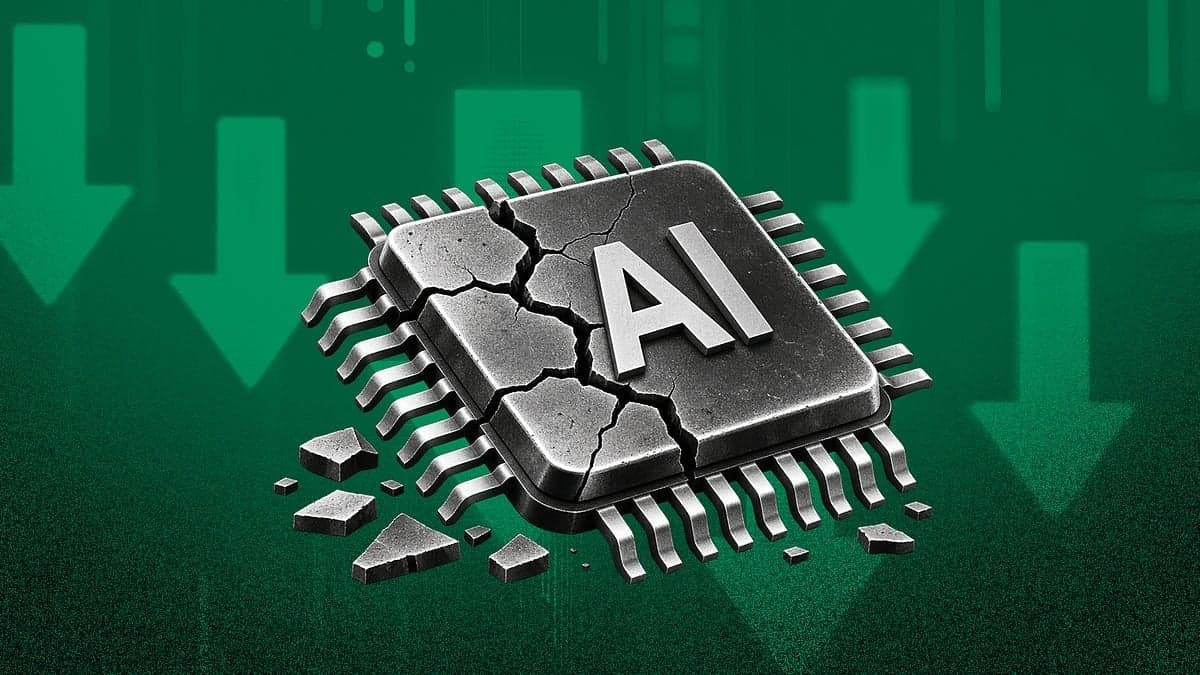
The Information Column: Jensen Huang May Ultimately Step Down, Yet NVIDIA Struggles to Find a Second-in-Command
Translated by TechFlow
TechFlow Guide: After Jensen Huang became embroiled in scandal over an alleged affair with a woman suspected of being a Chinese spy, investigations by Nvidia’s board, Congress, and the FBI launched simultaneously. On Monday, Nvidia fell 4%, while AMD rose 13% and Broadcom climbed nearly 9%.
The judgment of The Information columnist Martin Peers goes a step further: even if the board clears Huang of wrongdoing, his reputation is unlikely to fully recover. With no obvious second-in-command at Nvidia, this represents the true "key person risk" shareholders should worry about.
We do not view succession as a foregone conclusion, but it highlights a factor consistently overlooked in Nvidia’s valuation.

Headhunters are likely already making the rounds in the semiconductor industry, pondering who they would recommend to the board to replace Nvidia’s CEO if the board determines Huang must step down. Here are two unexpected candidates: AMD CEO Lisa Su and Arm CEO Rene Haas.
The company she leads is a direct rival to Nvidia in AI chips (as we previously stated, "AMD is Nvidia's only credible competitor"). She has done an outstanding job transforming AMD into a formidable contender: after years of stagnation, AMD's revenue has skyrocketed under her leadership.
Of course, the competitive relationship between the two companies could complicate a potential move by Su (and her familial tie to Huang might add another layer of complexity).
Thus, Rene Haas might be the better choice. He knows the industry well (having worked at Nvidia for seven years early in his career).
Of course, the board may be far from considering replacing Huang, but it is easy to imagine some insiders at Nvidia exploring contingency plans. After all, due to the scandal involving Huang's extramarital affair with a woman suspected of being a Chinese spy, Nvidia's brand has taken some hits.
Moreover, given that the board, Congress, and the FBI are all investigating the matter, Huang will inevitably face distractions, making it harder for him to command Nvidia's customers as he used to or devise new ways to sell chips.
Don't forget that Nvidia faces increasingly powerful rivals, such as Google, which unveiled a series of new AI chips on Monday (in partnership with AMD). There is reason behind Nvidia's stock dropping 4% on Monday—despite already being battered—while AMD surged 13% and Broadcom climbed nearly 9%.
Beyond the potential impact on day-to-day operations, Huang's standing as the top evangelist for AI has been severely damaged. Just weeks ago, it was he who firmly dismissed claims that "AI poses a danger to humanity." In fact, even if Nvidia's board determines Huang committed no misconduct, it is hard to imagine how his reputation could fully recover. One reason is that if the board truly clears him, outsiders may suspect the move is motivated simply because there is no obvious successor.
Huang is the core engine driving Nvidia, which is hardly a secret. He has a vast number of direct reports and, as we wrote in 2023, "touches almost every aspect of the company's daily operations." Nvidia lacks an obvious second-in-command to take his place. This is suboptimal under any circumstances, and especially problematic right now. Chief Financial Officer Colette Kress could serve as an interim replacement, but she would not be a permanent successor.
Nevertheless, Huang will likely eventually have to step down: these types of investigations often snowball and intensify on their own. Huang may realize that as a major shareholder, his own interests (let alone those of all shareholders) would be better protected if the company moves forward without him. In a Sunday email to employees, Huang stated he is "committed to protecting Nvidia." This may imply he chooses to step down and take responsibility voluntarily.
Coursera Fights Back Against "Invaders"
What is going on with Europeans and established American tech companies? Not only has Italy-based Bending Spoons aggressively acquired a portfolio of companies (including Airtable, AOL, etc.), but a Prague-headquartered activist investor, Pale Fire Capital, is also accumulating stakes in others. A few years ago, roughly one to two years after Pale Fire amassed a 22% stake in Groupon and secured a board seat, it gained operational control of the company.
Pale Fire has a new target. Over recent months, the investor has been steadily buying shares in Coursera, reaching 14.7%, which it disclosed last week. Coursera, which merged with rival Udemy earlier this year, did not sit idly by: the company announced on Monday that it had adopted a "poison pill" shareholder rights plan. Anyone acquiring more than 15% of shares without board approval will see their holdings significantly diluted.
Coursera stated that the rights plan aims to "protect the company and its stakeholders from a third party gradually gaining control through the open market."
In other words, Coursera appears keen to prevent its own experience from mirroring Groupon's. But is it really that bad? Over the past few years, Groupon's revenue has seen modest growth after years of contraction. Coursera faces similar challenges.
AI poses a significant threat to its online education offerings. Growth has slowed in recent years, with Q3 revenue down 3% (assuming the Coursera-Udemy merger occurred at the beginning of last year to exclude distortions from the transaction). Perhaps injecting some fresh blood wouldn't be a bad thing.
Join the official Coincamps community:
Telegram: https://t.me/coin_camps
Recommended
Meme Daily: A Chart to Understand the Hottest Memes of the Past 24 Hours (2026.11.10)
Nov 10, 14:33ICE Takes Stake, L2 Launches, 1000x Leverage Mechanism: Hyperliquid's Path to On-Chain Finance Evolution
Nov 10, 14:30
Chainalysis Report: Why Did Western Europe Remain Resilient as the Global Crypto Market Cooled Down?
Nov 10, 14:15
Four Security Strategies Viewed Through Wallet Theft
Nov 10, 14:04
At 9:30 PM tonight, the US will release its CPI report without year-over-year data. What should investors watch for?
Nov 10, 13:50
40 of 41 Data Center Referendums Rejected; AI and Chip Stocks Become Biggest Losers in U.S. Midterm Elections
Nov 10, 13:40