The airdrop rules are changing. How to find the new "big hair"?

Original title: "Airdrops are not dead, but please don't chase hot projects too much"
Original author: Axel Bitblaze
Original translation: Deep Tide TechFlow
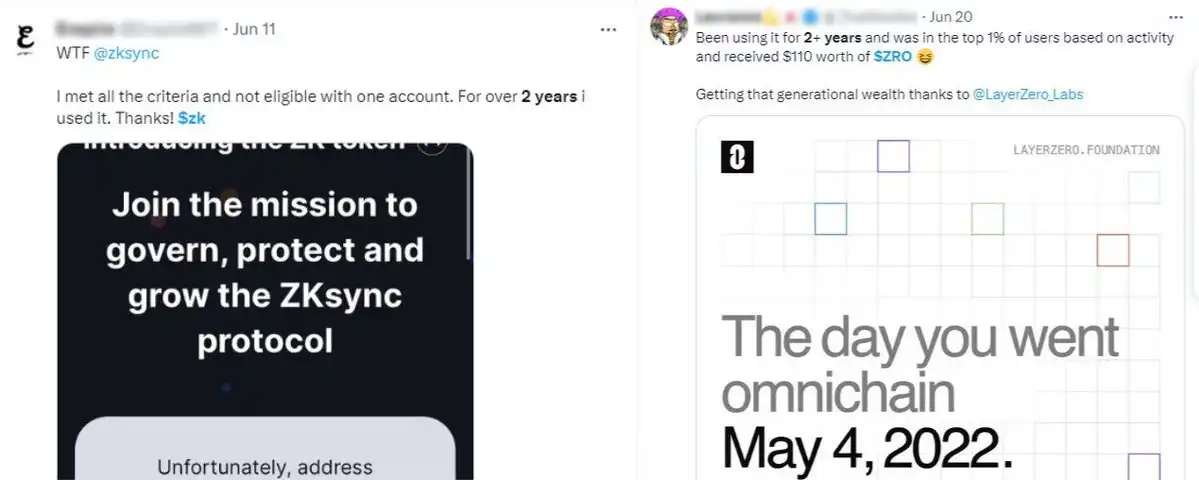
With all the major airdrops (such as $ZRO and $ZK) completed, the sentiment around airdrops seems to have subsided. So, is the airdrop beta over? Are they still worth farming? What will happen to airdrops next? I will share my thoughts in this tweet.

A few months ago I wrote an article about "Current Airdrop Beta", which mentioned that there were three major airdrop projects that had not yet been launched. Now that they have all been completed, here are my thoughts on the upcoming beta.
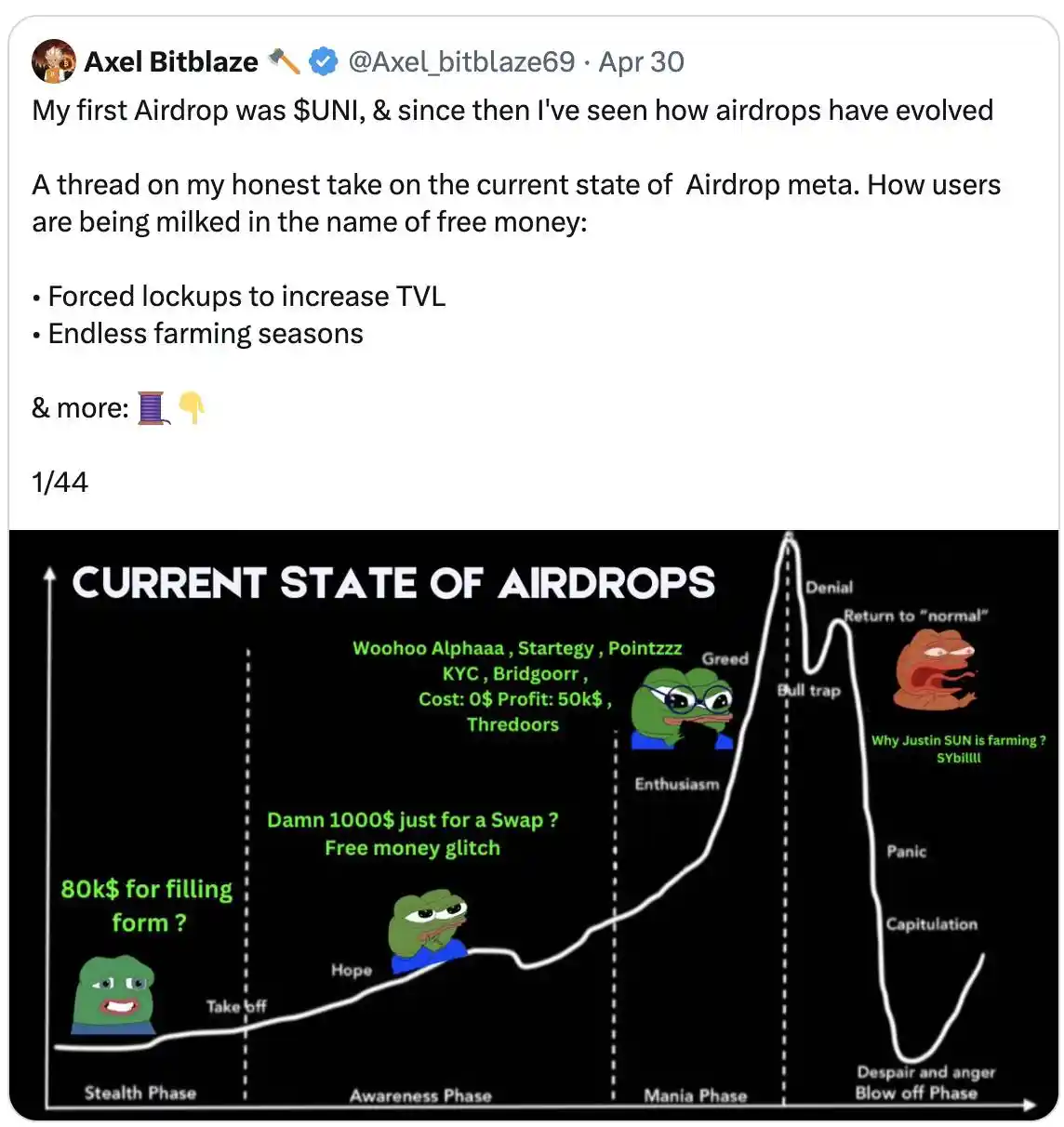
(See tweet)
Are airdrops dead?
The short answer is no. The longer answer is that airdrops change.
You can think of it this way, in a game, there will always be a cheat or strategy that is too powerful, and when too many players start using or abusing it, they will eventually be weakened.
The same is true for airdrops, old methods will be weakened, but this does not mean the game is over.

Before we get started, let’s break down which factors have the biggest impact on airdrops, and how they play out:
Funding and valuation;
Level of hype and dilution;
Market sentiment vs. FDV at launch;
Now, there’s a lot of noise about FDV at launch, but I think this is a bigger puzzle:
Retail investors want projects to list at a low FDV so they can bid up new tokens and profit.
Airdroppers want a high FDV to sell when the token is released.
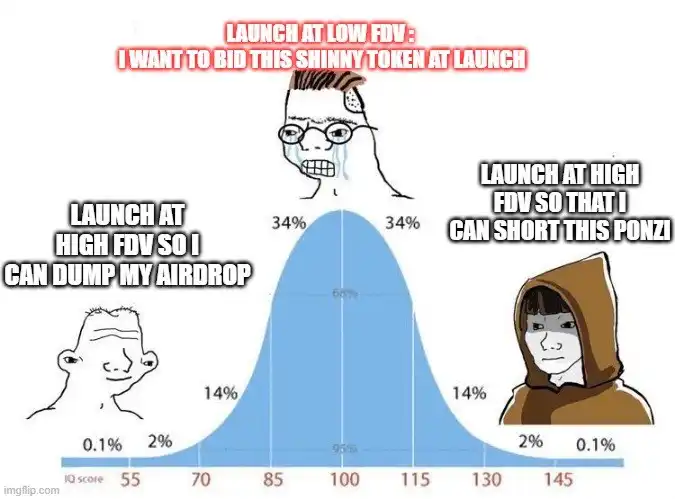
Projects are squeezed from two sides:
Retail investors: “Your token is too expensive. I will not provide exit liquidity for airdroppers.”
Airdroppers/community: “List at a good FDV price, otherwise the airdrop is peanuts and we will cheat you hard.”
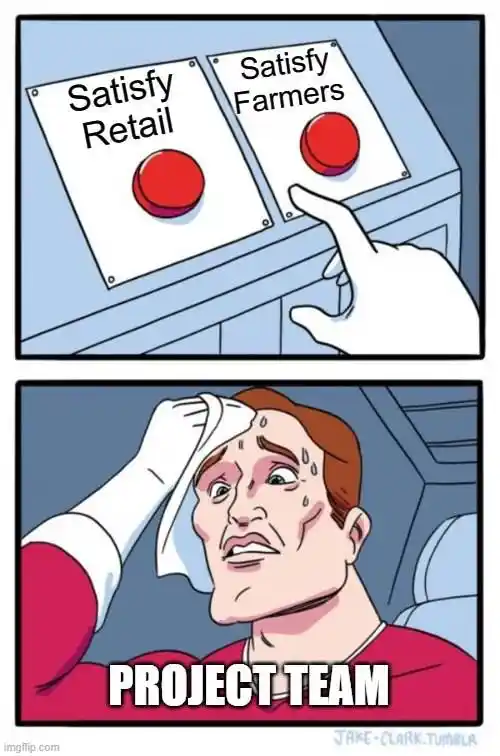
Current situation? This is a battle between projects and airdroppers.
Projects try to avoid easy exits for airdroppers while pleasing retail investors by listing at a lower FDV.
Today even T1 CEX prefers to launch tokens with lower FDV. Retail wins and you get VC valuations without vesting.
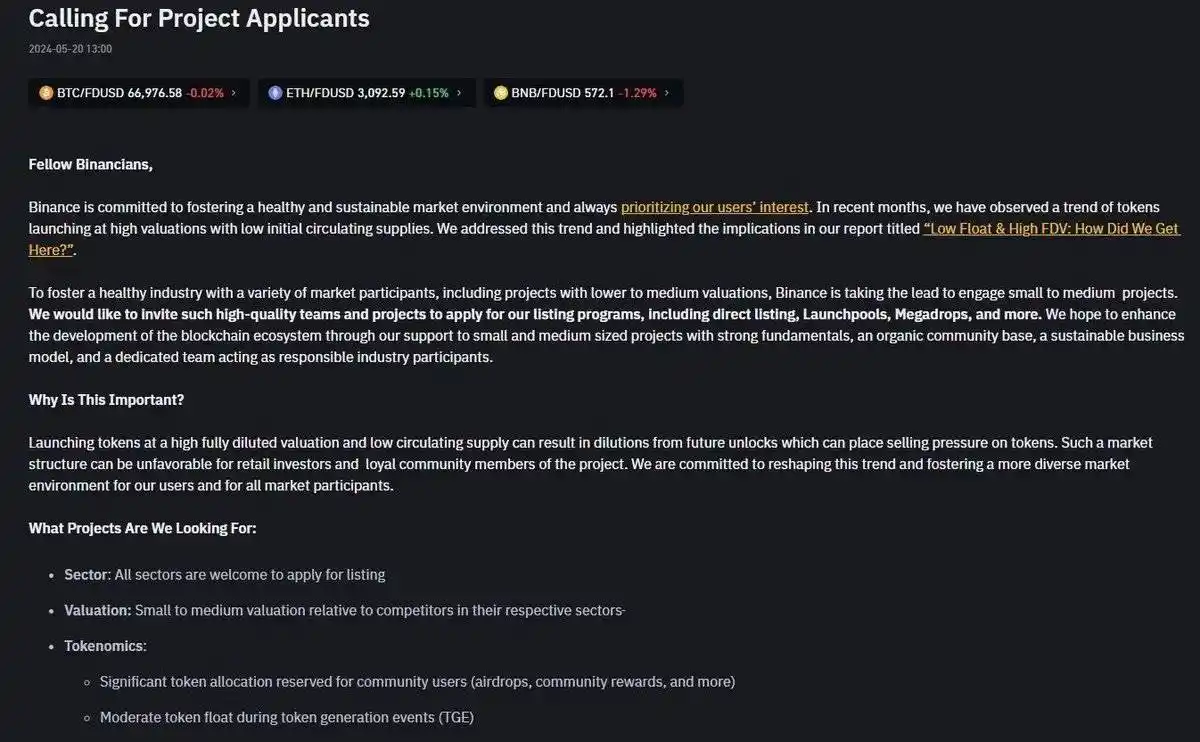
This is the case with the recently launched $ZK and $ZRO, subject to market conditions of course.
I think they don't want to let the money collectors have a high exit, but want to sell at a lower valuation and then sell it off in a big way later like $SEI and $SUI .
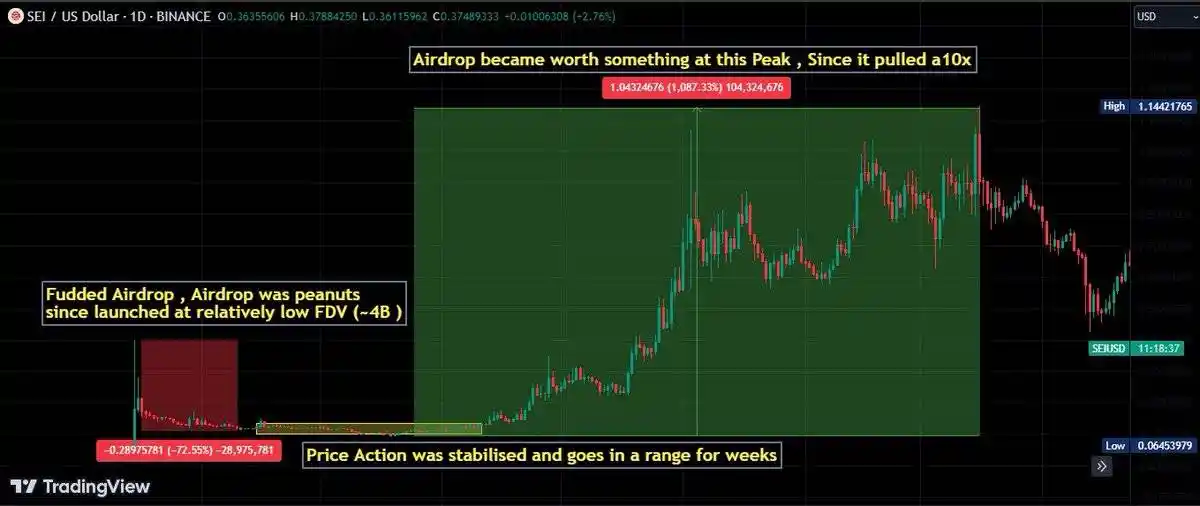
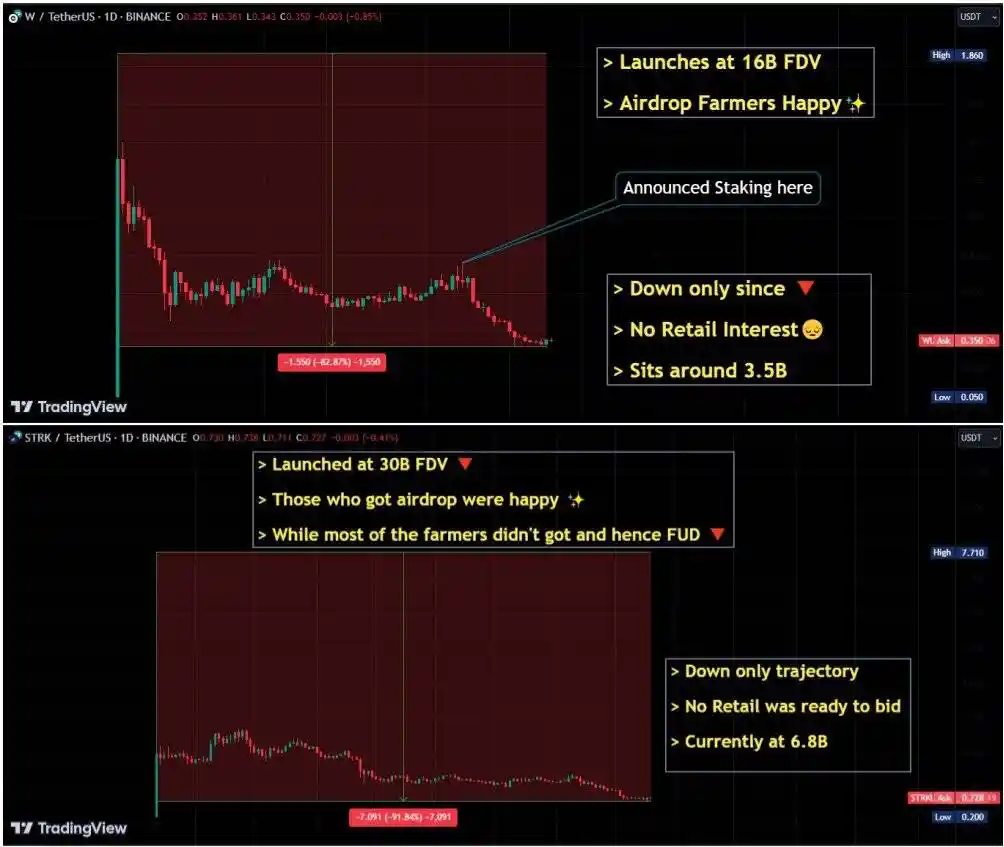
Although the cases of $W, $DYM and $STRK are different, they were issued at extremely high FDV (fully diluted valuation) and gradually lost value.
Those who received the airdrop are happy, but there are almost no market buyers at these valuations. Even staking has failed to prevent the value of $W from falling.
So, factor 1 is not really in our control. We need to focus on the factors that we can control.
The reason I say this is a good correction and a change of strategy is because the current market environment has been severely inflated by certain standards, resulting in an imbalanced market.
I was reminded of the same scenario in the early ICO days, when most IDOs (Initial Decentralized Exchange Offerings) were able to achieve 100-500x returns, and people could make a lot of money with a $50-100 investment.
The same thing happened with the early airdrops, where by spending $50-100 in fees, we could get a 100x return on the airdropped tokens, equivalent to $5,000 in gains.
Later, this evolved into a "pay to win" situation:
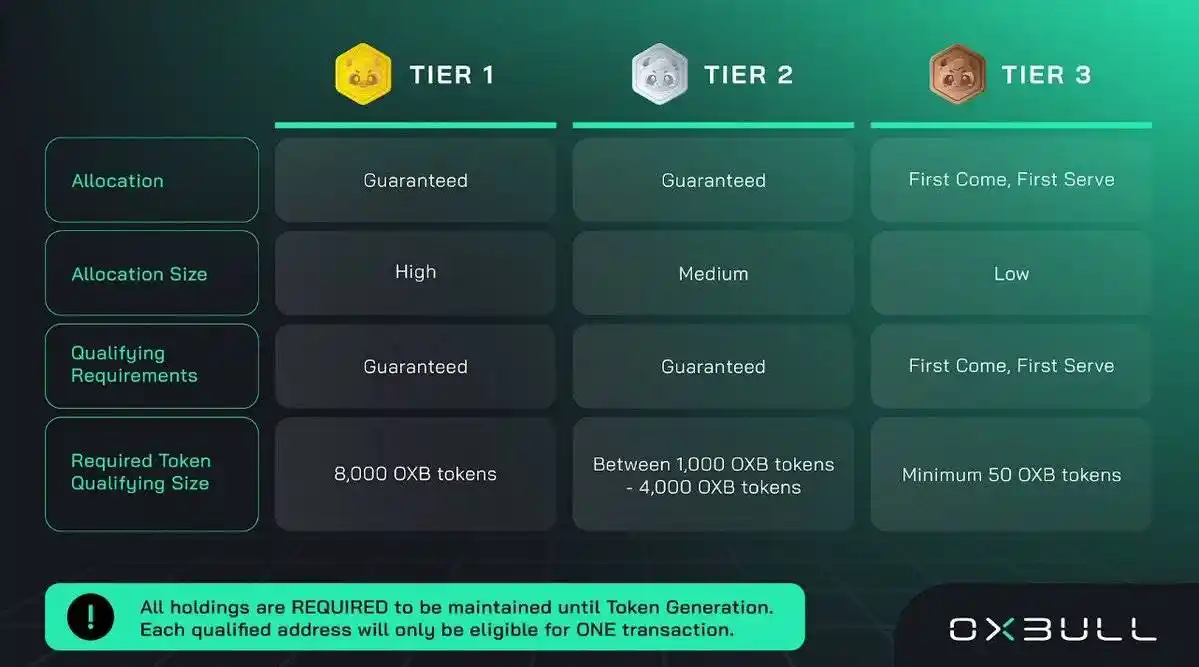
For IDOs: stake our Launchpad tokens to get an allocation.
For airdrops: provide liquidity on our chain/protocol and lock up funds.
What are the downsides?
For IDOs, when the music stops, the tokens lose value. For airdrops, you need to pray that the protocol doesn't get hacked.
Anyway, let's get on with it.
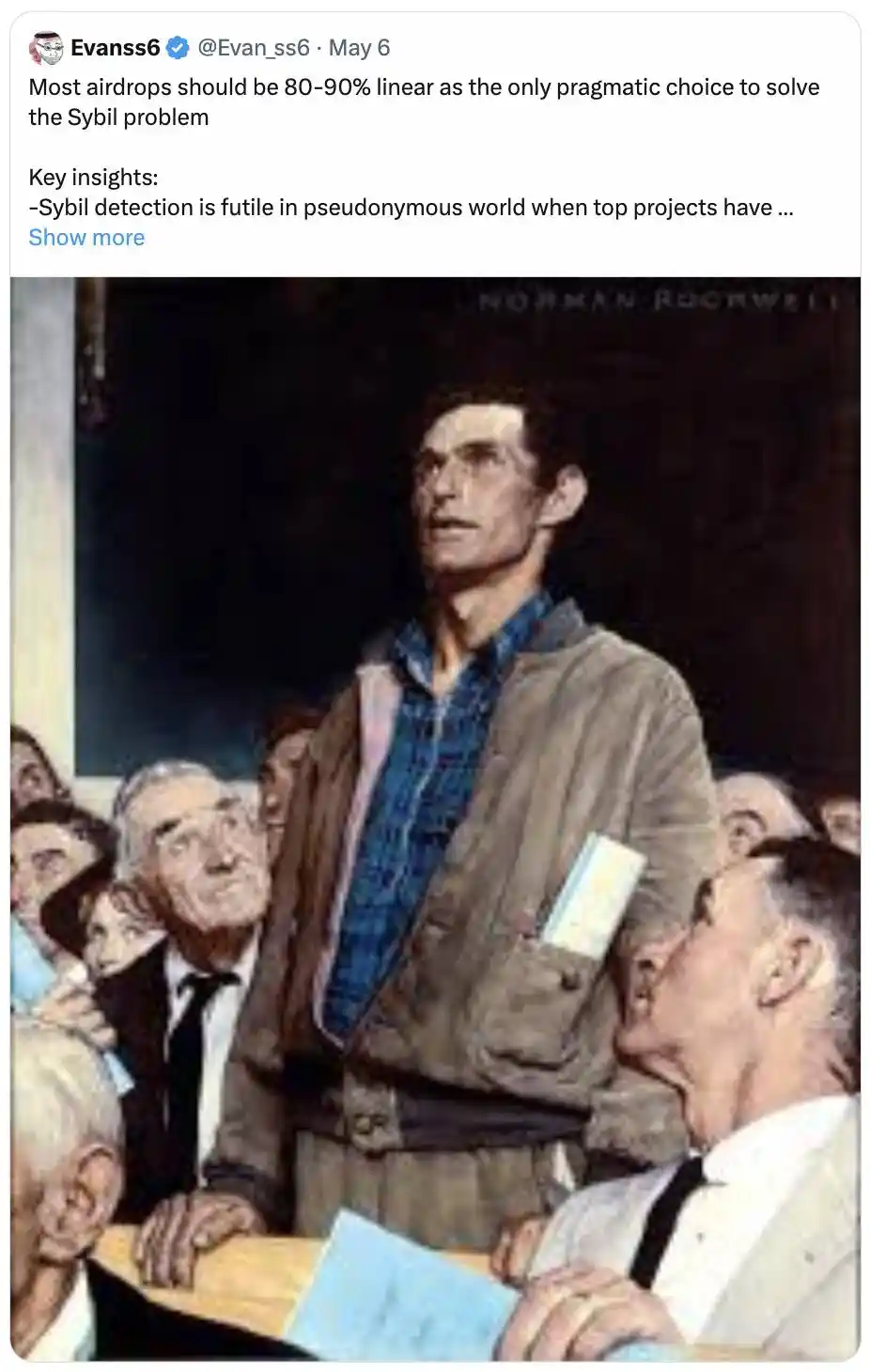
Projects may choose linear airdrops, which is not ideal for small-capital coin flippers, so that's another dilemma.
If you have enough funds, then linear airdrops may be for you.
(See tweet)
For low-capital investors:
As the market environment changes, we need to change some habits:
Stop chasing hot airdrops.
Stop using those useless Dune dashboards to check rankings, they only inflate random indicators.

None of your favorite protocols are using these indicators.
I think these dashboards just create a state of mind where you think “I’m not farming well” and then fall into a vicious cycle of wasting unnecessary fees and time to meet those random criteria in order to move up the rankings.
For low capital farmers, there are two strategies:
Sybil attack on low-level allocations: grab small allocations through multiple accounts.
Look for projects that are not too popular but have good financing and participate early.
I think farming low-level allocations is a good risk-reward strategy, you spend less fees and time, but still get a good return.
Historical success stories of lower tier distributions:
Etherfi: Last day of deposits nets you $900.
Eigenlayer: 110 tokens for just $1 invested in Eigenlayer.
Jupiter: 200 $JUP tokens and $WEN for just a few Solana interactions.
Imagine that spending $50 on Pendle YT qualifies you for $800 worth of $ETHFI and 110 $EIGEN.

Even in the worst case scenario, where the project is fully distributed linearly, you haven't wasted much time or money on low-level farming, so the disappointment won't be too great.
For those who have been working on high-level projects for a long time (such as $ZRO):
If you end up with someone who has a similar low-level allocation, it may not feel worth it.
Factor 2: Dilution (or Farmers)
Dilution becomes real and fast as the number of participants increases.
So the next trend is to farm projects that have raised a decent amount of funds but are not very popular (there are many of these).
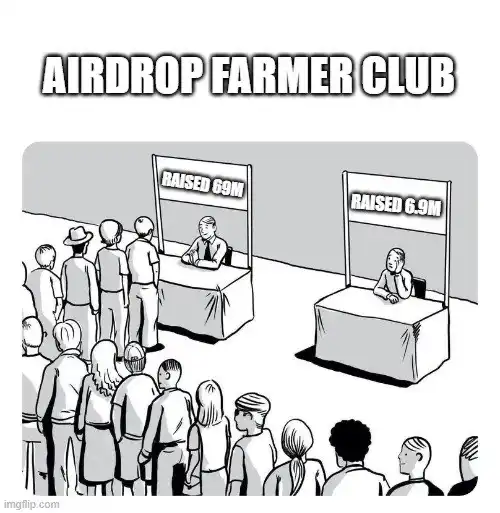
The fewer the number of farmers, the more tokens are allocated per wallet.
FDV (fully diluted valuation) is not that important in this case because the tokens are basically distributed to a small number of farmers.
@KintoXYZ has also done similar work and may have good results.
Example: Assume that there are two projects that each airdrop 5% of their supply.
Popular projects: Distribute to 100,000 people, and need a high FDV (fully diluted valuation) to satisfy these 100,000 people.
Unpopular projects: Distribute to 10,000 people, and only need a reasonable FDV.
The real question is: How to find these treasure projects?
The best tool is Cryptorank.
Use the filters, for example, if you want to search for projects that don’t have a token on Solana, go to Filters > Sol Ecosystem.
Now you need to filter further based on the type of protocol you want to farm.
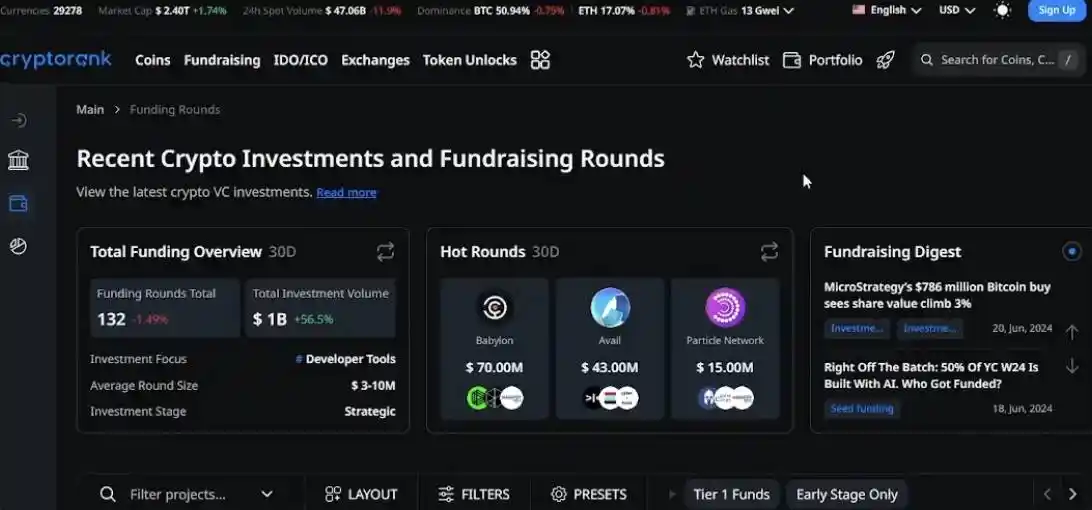
(See video for details)
I usually filter by: Bridge / DeFi / DEX, because these protocols have more on-chain interactions and early participation can leave a good footprint.
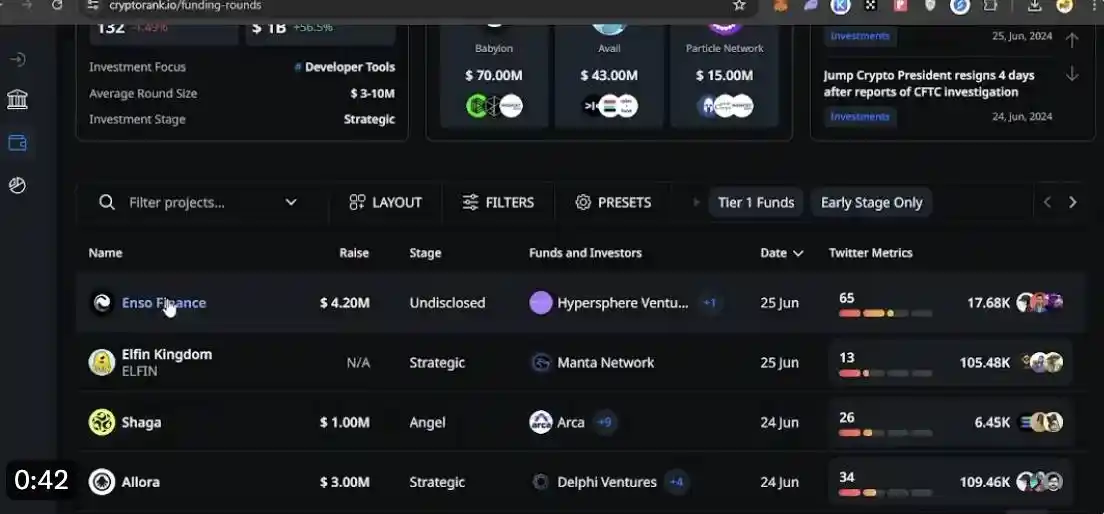
(See video for details)
Once you find a project, check its activity: Check their profile activity: Are there any events going on? How many people are participating?
Which projects are most likely to launch tokens?
Many protocols have raised a lot of money but their valuations are unknown.
I prioritized them in the following order:
Projects with known valuations: This can give you a rough idea of the FDV at launch.
Projects backed by specific VCs: More on this in a future post.
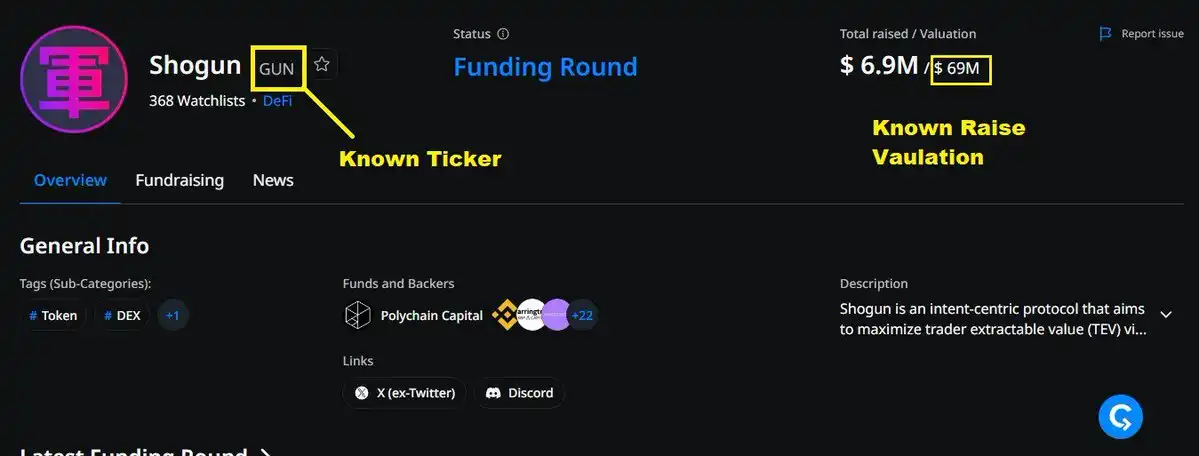
Some VCs are obvious choices. I plan to write a post specifically about this, but from an airdrop perspective, I’m mainly interested in projects backed by the following VCs: Jump, Binance, and Multicoin Capital.
Most of these VCs are obviously investing for the token, and the projects backed by Binance have been doing well lately.
Unusual Factoriooo: Second Airdrop
I don’t think we’ve seen a wave of these airdrops yet, but they have the potential and I’ve seen this strategy work well.
80% of people left the protocol after the Token Generation Event (TGE) because they only received a small amount of tokens, but some people still stayed.
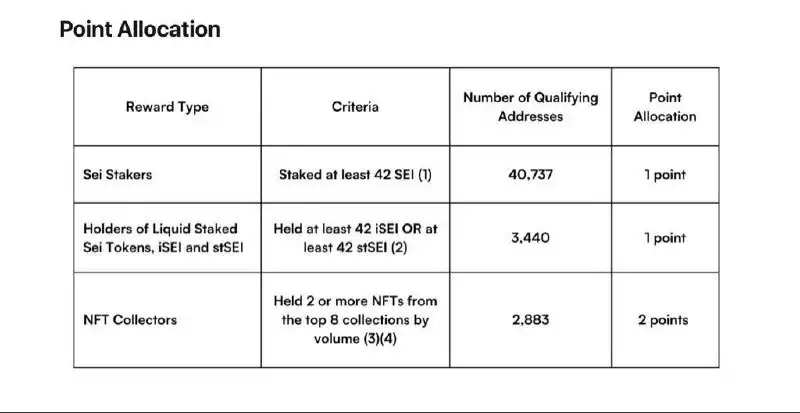
We all laugh at those post-TGE project metrics, but does this mean there are fewer people who are doing it now?
Even if the token launch performs poorly, there is still hope that it will rebound and perform well like $SEI .
Maybe go for projects that will allocate a large amount of supply to the second round. For example:
Parcl: It’s very easy to rank up via LP now since PVP is over and if Solana goes up, it can still go up.
Wormhole: Will unlock the next community airdrop in a few weeks, and trading volume is very low right now.
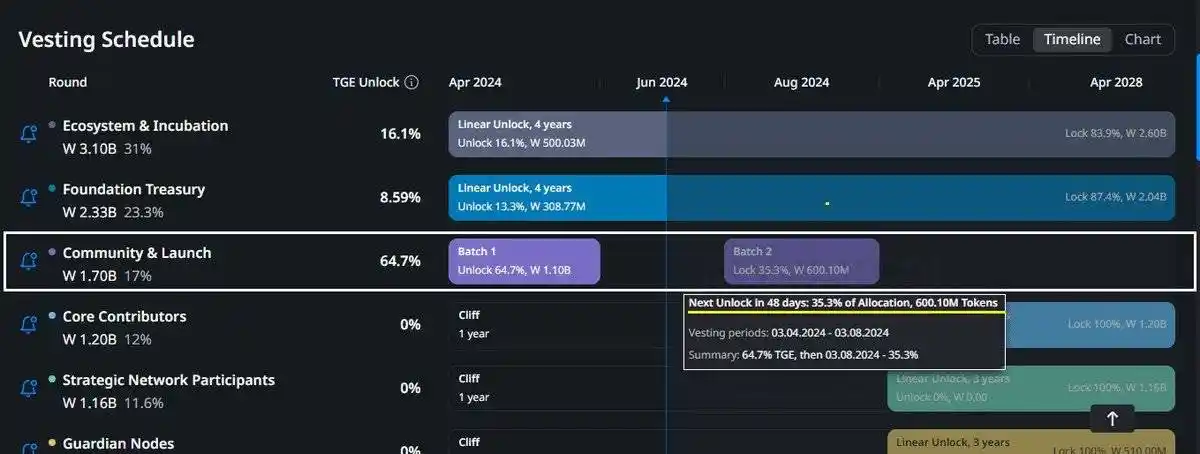
Final Factor: Advantages and Research
The dilution is real now, unlike during the original airdrop when awareness was lower.
It’s best to get in early, research the project carefully, and see if the whitepaper mentions the token. Get some early roles/OATs.
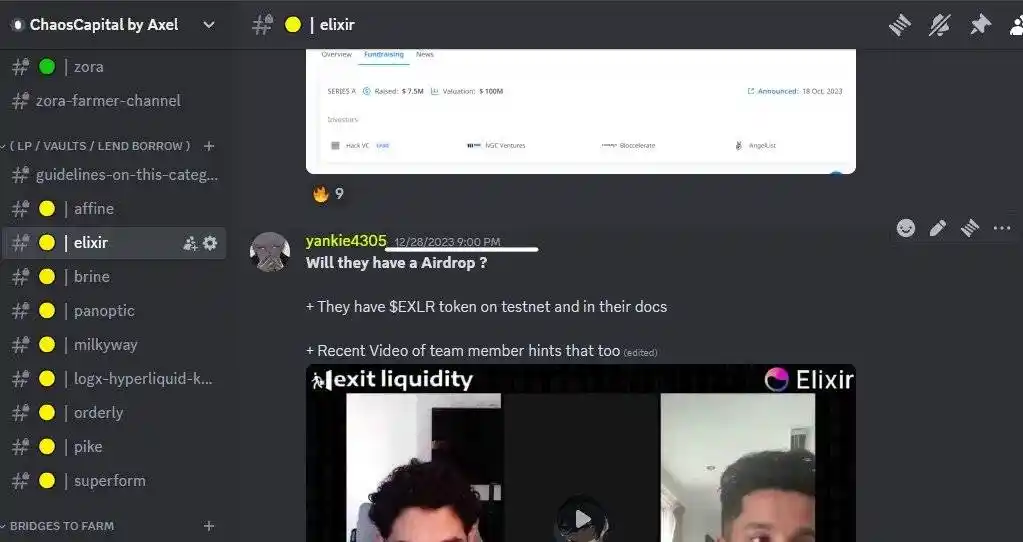
It doesn’t matter if it is diluted later. We remember when we shared Elixir in Discord, no one was playing it at the time, but it became popular later. But we got some early roles at that time and left initial footprints, which may help the airdrop.
For example: Lista DAO gave a good airdrop to early OAT holders.
In the current market environment, extracting the maximum value is the key, and there is no shortcut. Many projects will bring you thousands of dollars in airdrop income through low-investment operations.
Prioritize projects that are about to be launched, rather than medium- and long-term projects with a duration of two years.
Move four-digit income to hot topics or trends, such as meme coins and AI, rather than larger cat-playing projects.
If you are a newbie or low-capital airdropper, the best strategy is:
Get low-investment three- to four-digit airdrops.
Transfer those gains to hot topics like meme coins, AI, etc., rather than larger airdrop projects like ZRO and ZK.
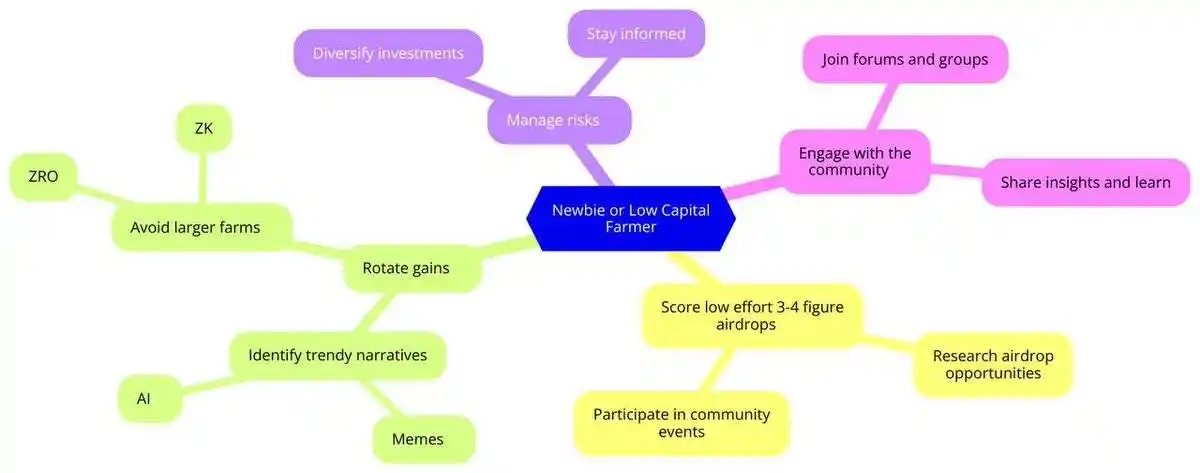
We are near the bottom of the market and Alts are about to start to rise sharply. Don't give up and don't lock up your liquidity in unnecessary long-term airdrops.
It is relatively easy to make money in a one-sided rising market.
But don't chase hot airdrops too much for the Dune dashboard.
Try to grab low-level allocations (with a good risk-reward ratio).
Research projects that are not popular but are well funded and have good products, and participate early.
Original link
Recommended
The Wall Street Journal: How is AI Trading Stealing the Limelight from Cryptocurrency?
Aug 15, 14:00
Tencent Still Has a Dream
Aug 15, 11:27
To Catch North Korean Hackers, They Set Up a Fake Project
Aug 15, 10:00
From Litigation to Settlement: Positive Signal Released by HTX's Negotiation with FCA
Aug 14, 19:32
11,742 Shipping Addresses Exposed Alongside Trezor Orders
Aug 14, 19:01
Founder Interview: FOMO Creator Explains How They Added 30,000 Users in One Day and Became One of the Fastest-Growing Crypto Apps
Aug 14, 18:37