Are Web3 games more suitable for development in Southeast Asia?

Original title: 《Are Web3 Games Still Popular in Southeast Asia》
Original author: Jay Jo and Yoon Lee
Editor's note:
Jay Jo and Yoon Lee deeply analyzed the current situation of the Southeast Asian Web3 game market and the challenges and opportunities it faces. Although the volatility of the cryptocurrency market has brought an impact on P2E games, Southeast Asia continues to show its important position in the field of Web3 games with its large young user base, high sensitivity to rewards, and active payment behavior.
The article also pointed out that the Internet cafe culture and Web3 guild culture in the Southeast Asian market provide a unique social foundation for the further development of games. Although regulatory uncertainty and token farm operations remain, the potential and vitality of the Southeast Asian market make it a strategic priority that Web3 game companies cannot ignore. BlockBeats will compile the original text as follows:
· The sharp decline in the cryptocurrency market has affected many P2E games, and the number of Southeast Asian users has dropped significantly. Despite this, Southeast Asian users remain an important group and contribute significant network traffic to mainstream Web3 games.
· There are three reasons why Web3 games are booming in Southeast Asia: it remains an important source of revenue, success stories are a strong driving force, and a relaxed regulatory environment supports market vitality.
· The core value of Web3 games, that is, rewarding users, ensures that Southeast Asian users will continue to play a key role. In addition, the region's unique characteristics, such as Web3 guilds and Internet cafe culture, will have a positive impact on market development.
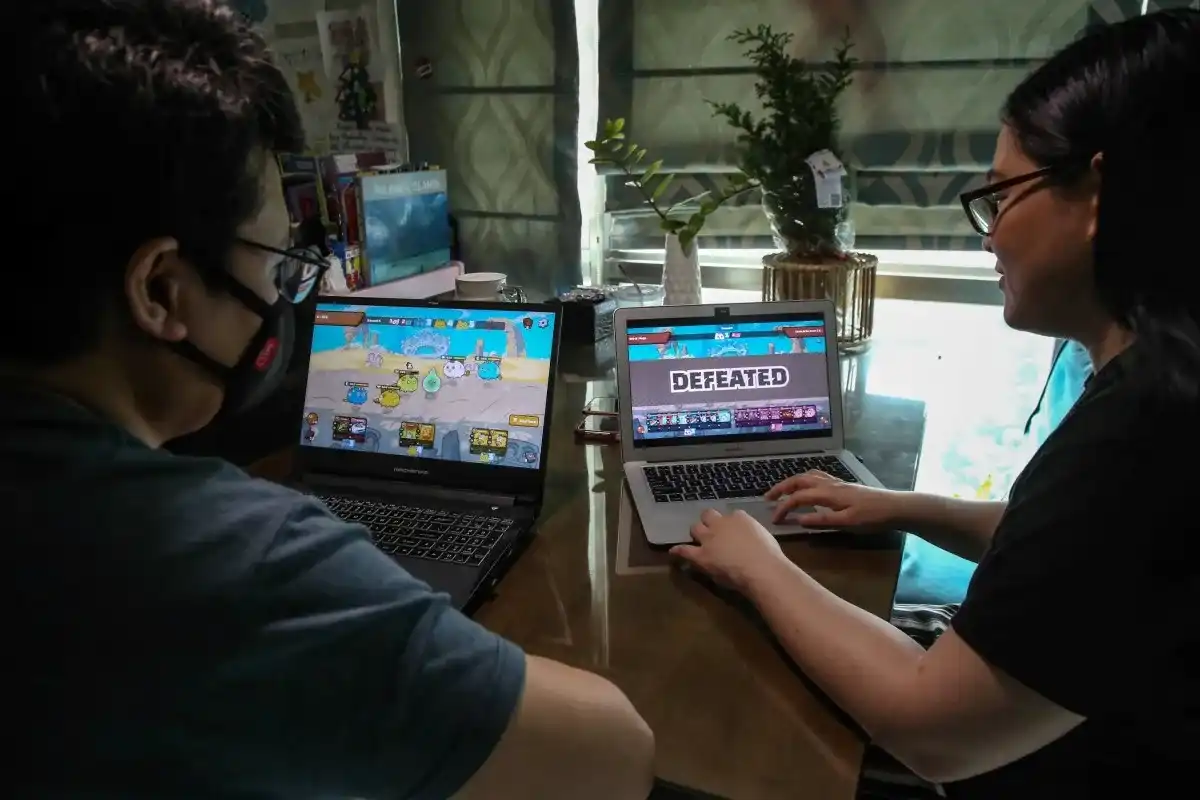
Southeast Asia is a key market for Web3 games, and many game companies are looking to expand. This is because the region has a large number of young groups familiar with Web3 culture, and the popularity of the P2E model in the past has established a strong user base.
However, as the price of tokens has fallen, investment-oriented users have decreased sharply, and some believe that the market is no longer as attractive as before. This raises the question: Is the Southeast Asian market still a high priority for Web3 game companies? In this report, we analyze the current state of the Southeast Asian Web3 game market and take a closer look at whether it is still attractive, and what opportunities and challenges it offers.
The number of Web3 game users in Southeast Asia has indeed decreased significantly due to the overall price drop in the cryptocurrency market. Many players in the region are so invested in P2E games that they take out loans to participate, resulting in financial losses and large-scale exits from the market.
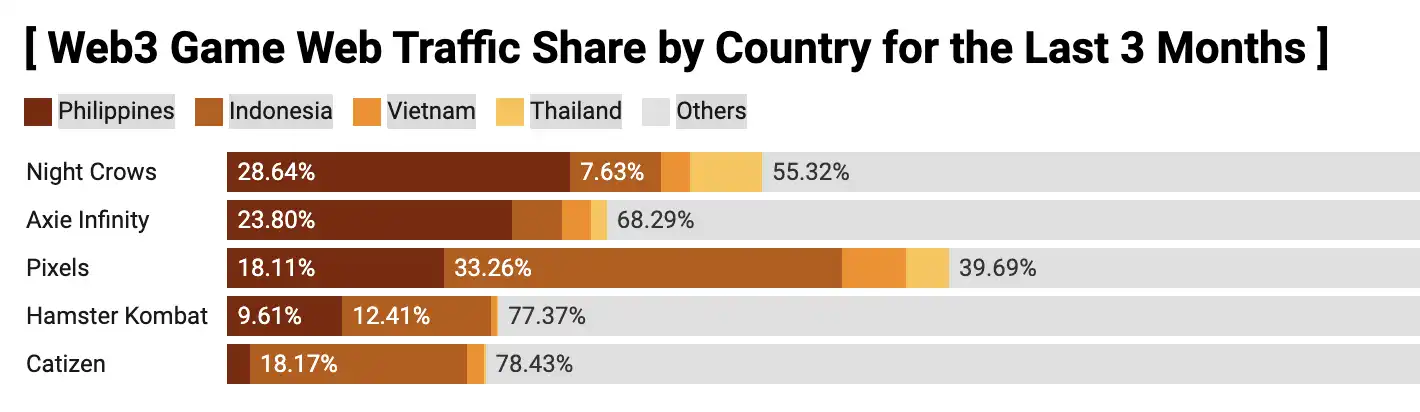
However, despite the decline, Southeast Asia still accounts for a significant proportion of Web3 game users. There is no denying that the market is showing a downward trend, but the proportion of Southeast Asian players participating in recently released Web3 games remains high. In fact, an analysis of website traffic to major Web3 games over the past three months shows that countries such as the Philippines and Indonesia continue to constitute the core user base.
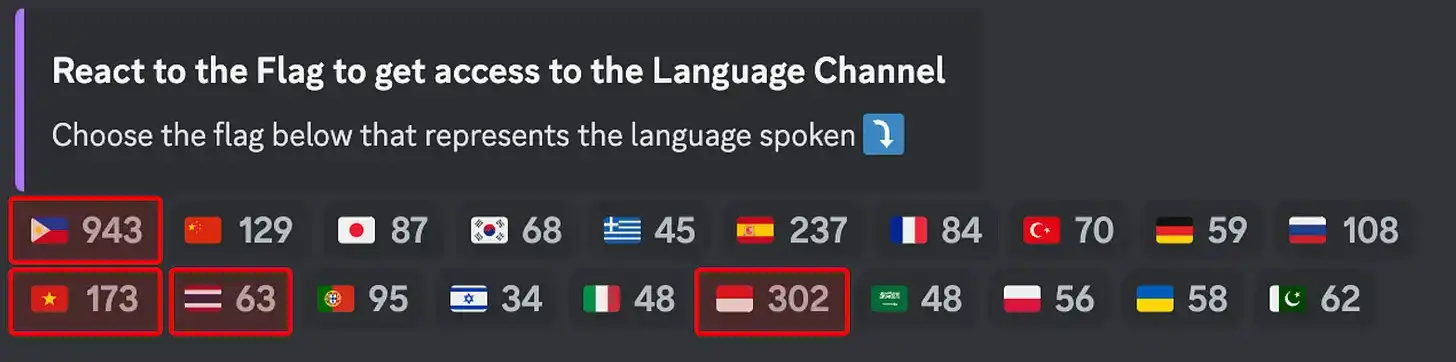
Pixels language channel, source: Pixels Discord
In addition to website traffic, the popularity of the Southeast Asian region is also reflected in the Discord country channel selection for the Web3 game Pixels. As can be seen above, the number of players from Southeast Asian countries is abnormally high, accounting for about 53% of the total. We estimate that their continued interest and high engagement in Web3 games is driven by three factors:
Web3 games still make money

Source: New York Times
Southeast Asian users are actively participating in Web3 games mainly for economic reasons. These games are seen as a way to generate substantial income. For example, the daily minimum wage in the Philippines is about $10, and participating in P2E games has the potential to earn equal or even more.
According to a recent survey of Pixels gamers, one of the most popular P2E games, casual players can earn around 50 PIXEL tokens, or $11 USD, with just 4 to 8 hours of gameplay per day. For more skilled mid-level players, daily earnings can reach 200 PIXEL, or $45 USD, while high-level players can earn up to 400 PIXEL, or $92 USD. Given the potential growth in the token’s value, these earnings continue to be attractive to Southeast Asian users.
Success Stories

Source: John Aaron Ramos
Success stories in the P2E gaming space are another key factor that attracts many people to Web3 games. The huge success of games like Axie Infinity in history still inspires many players today. Take the example of Aaron Ramos, a young Filipino man who earned enough to buy two properties by playing Axie Infinity. Stories like this not only highlight the huge financial potential of P2E games, but also become a strong driving force for Southeast Asian players to continue to participate in the game. Although there are cases where some players have suffered losses due to failed investments, the fear of missing out (FOMO) has played a key role in maintaining player interest.
Relatively loose regulatory environment
Southeast Asia has not yet established a clear regulatory system for Web3 games. This relatively loose regulatory environment has promoted the rapid development of the market in the short term. It reduces the difficulty of market access for developers and players, thereby stimulating the vitality of the market.
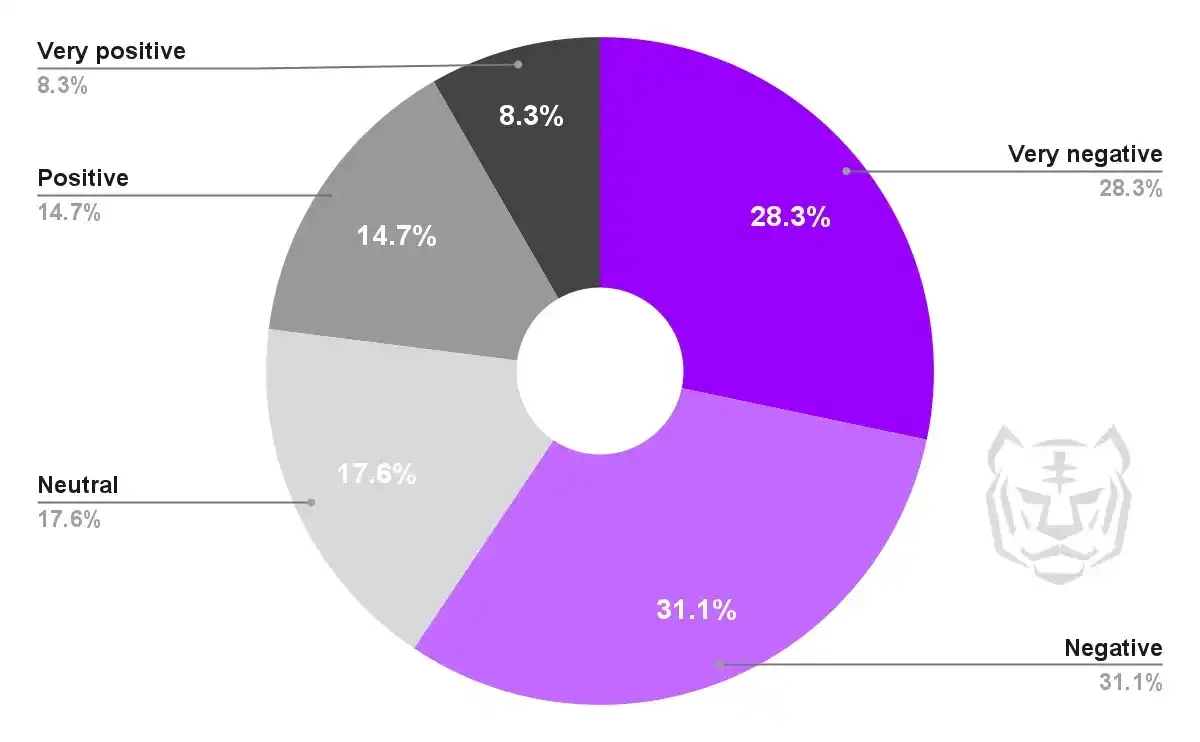
Survey results of Korean players' sentiment towards P2E games (n=6,324)
Data source: THIS IS GAME
To understand this more deeply, we can compare the situation in South Korea. South Korea has implemented strict regulatory policies on P2E games, making it almost impossible to carry out such games locally. P2E games are not only difficult to legalize in South Korea, but also difficult to monetize, and are generally viewed negatively. This sharp contrast highlights Southeast Asia's relative advantages in the Web3 game industry.
Southeast Asia holds a pivotal position in the Web3 gaming space, and has become a major force in the market with its large user base. Nevertheless, the market faces some notable challenges.
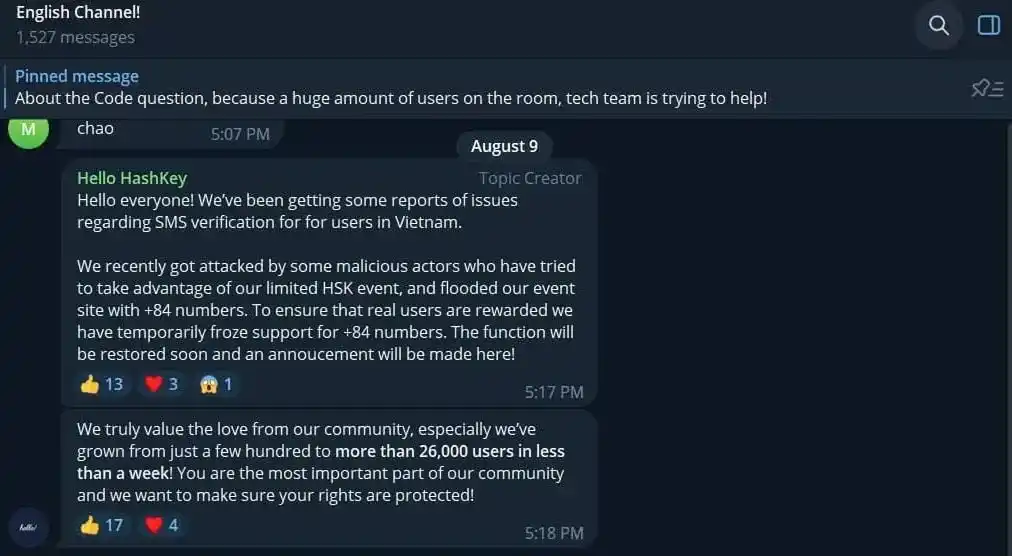
Hashkey’s announcement on the Vietnam ban, source: Telegram
The problem of token farm operations is prevalent throughout the Web3 gaming industry, not just limited to the games themselves. Taking Vietnam as an example, Vietnamese users have recently shown great enthusiasm for participating in HashKey’s airdrop activities. This overactive behavior has even alerted HashKey, who suspected that there might be token farm operations behind it, which ultimately led to HashKey blocking Vietnamese phone numbers. This incident highlights the need for further regulation and improvement in the Web3 gaming industry in terms of regulation and integrity.
Even if users do not participate in token farms, there is still another problem in the Web3 gaming space: users may rely too much on the reward mechanism. If the rewards are reduced or cancelled, users may lose their strong motivation to continue participating, which may lead to a significant decrease in the number of real contributors in the long run, posing a threat to the healthy development of the entire ecosystem.
However, the reward-driven incentive mechanism remains a key factor in the operation of Web3 games. The high sensitivity to rewards is the core driving force for users to participate in Web3 games. Attracted by rewards, Southeast Asian users are willing to invest. Although not all users participate in games for long-term and healthy motivations, their active participation has played a vital role in the formation and development of the emerging ecosystem of Web3 games.
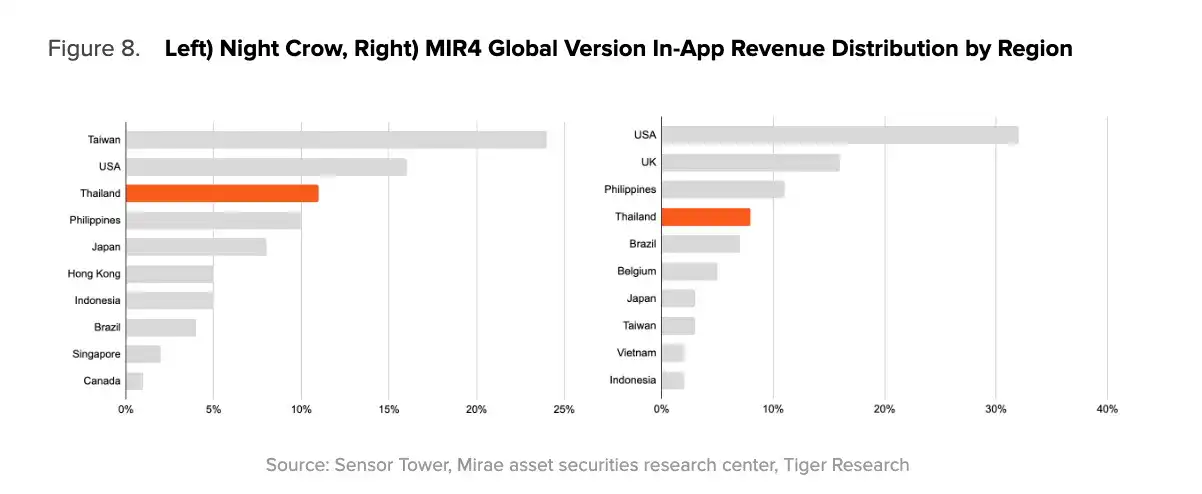
Data source: "Special Report" 2024 Thailand Web3 Market Report, @Tiger Research
This further promotes Southeast Asia as an important market that gaming companies cannot ignore, as Web3 games in the region show a high rate of in-game purchases. Although Southeast Asia is generally considered a region with low purchasing power, Web3 games here have shown positive payment trends, bringing significant in-app purchases. In the Philippines and Thailand in particular, WeMade's Night Crow and Mir 4 ranked third and fourth in the in-app revenue rankings, respectively, highlighting the potential of this market. Overall, the Southeast Asian Web3 game market is a complex and dynamic market full of opportunities and challenges.
Although the Web3 game model has evolved in recent years, its core value - rewarding users - remains unchanged. For example, the instant reward mechanism of the P2E model has gradually evolved into the P2A (Play to Airdrop) model, which provides rewards in the form of future tokens. Despite the change in form, the core position of the user reward mechanism has not been shaken. As such, Southeast Asia, with its high sensitivity to rewards, is likely to continue to be a key market for the Web3 gaming industry.
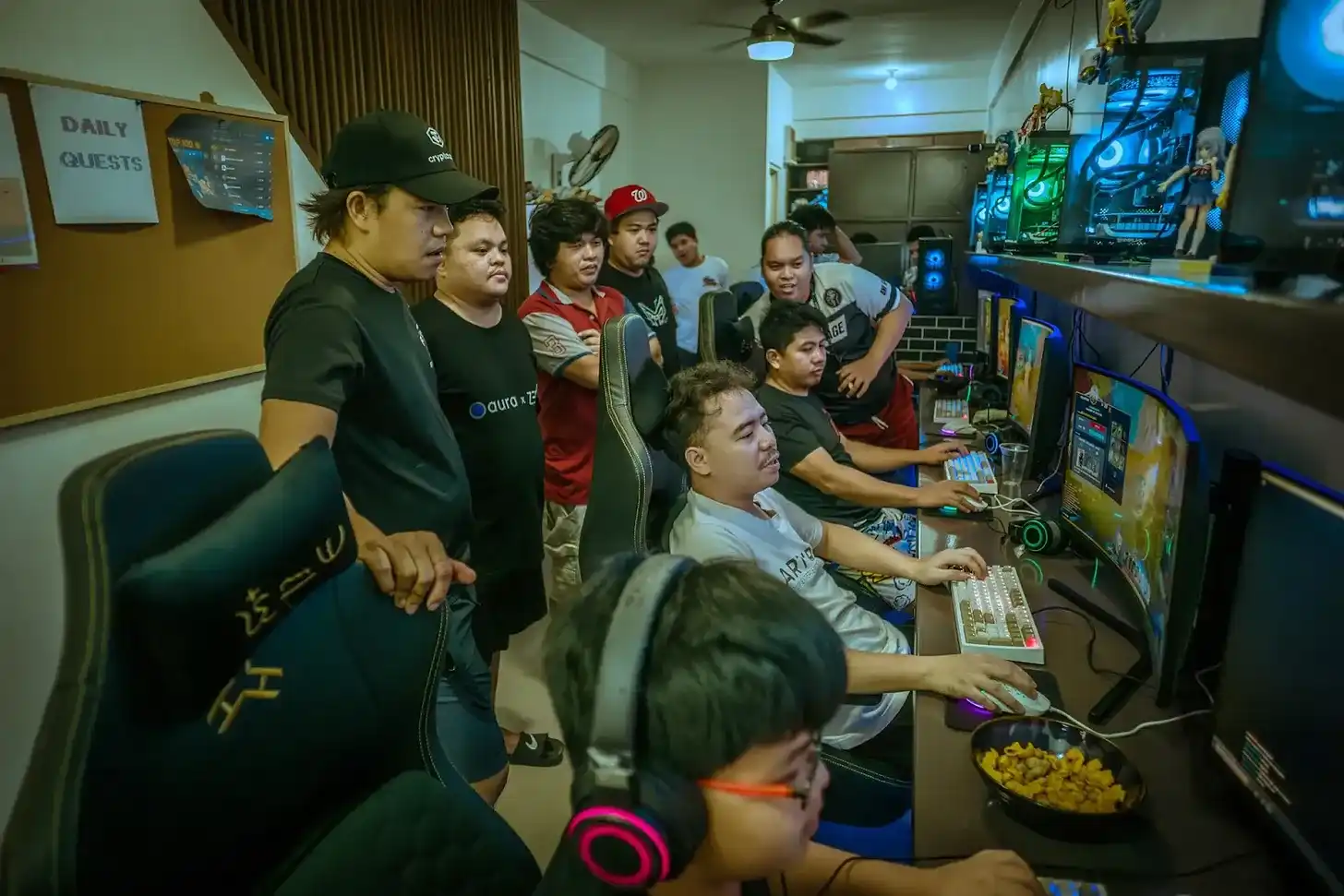
Source: New York Times
The appeal of the Southeast Asian market is not only based on rewards, but also on several other factors: 1) a large population with a low median age; 2) a user base with a high willingness to pay for Web3 games; 3) Internet cafe culture and Web3 guild culture, which are expected to play an important role in the development of the Web3 gaming market.
The Web3 gaming market is still in its early stages of development, and the Southeast Asian market plays a vital role in this process. Users in the region are not only actively participating, but also making substantial contributions to the advancement and innovation of games through their participation. The Southeast Asian market is gradually becoming a testing ground for Web3 games to undergo extensive testing and large-scale application. Although it may be challenging to acquire a stable user base in the short term, this also provides valuable opportunities for verification and improvement of various aspects of the game.
To sum up, the Southeast Asian market, with its unique advantages, remains an attractive area for the Web3 gaming industry. If Web3 gaming companies can deeply understand and effectively utilize the characteristics of the region, they will be able to achieve business growth and expansion.
「Original source」
Recommended
The Wall Street Journal: How is AI Trading Stealing the Limelight from Cryptocurrency?
Aug 15, 14:00
Tencent Still Has a Dream
Aug 15, 11:27
To Catch North Korean Hackers, They Set Up a Fake Project
Aug 15, 10:00
From Litigation to Settlement: Positive Signal Released by HTX's Negotiation with FCA
Aug 14, 19:32
11,742 Shipping Addresses Exposed Alongside Trezor Orders
Aug 14, 19:01
Founder Interview: FOMO Creator Explains How They Added 30,000 Users in One Day and Became One of the Fastest-Growing Crypto Apps
Aug 14, 18:37