Analysis of over 16,000 DAO proposals: Four major dilemmas

Original author: arndxt
Original translation: Vernacular blockchain, PAnews
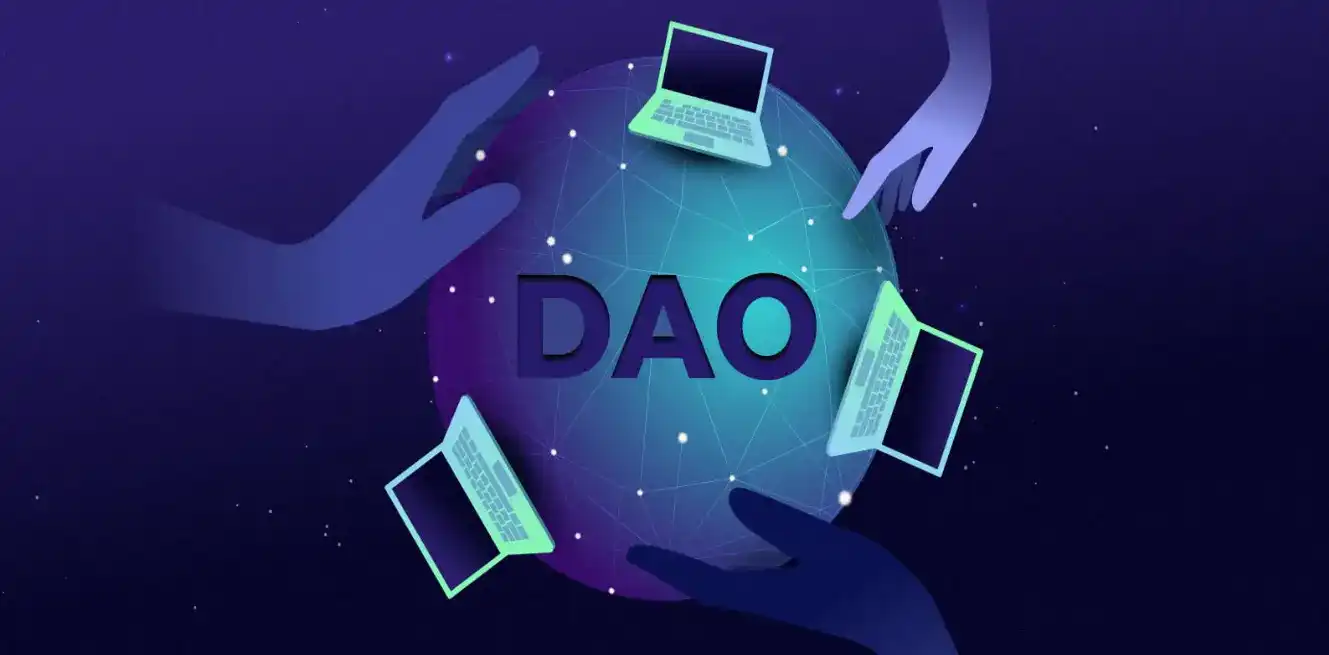
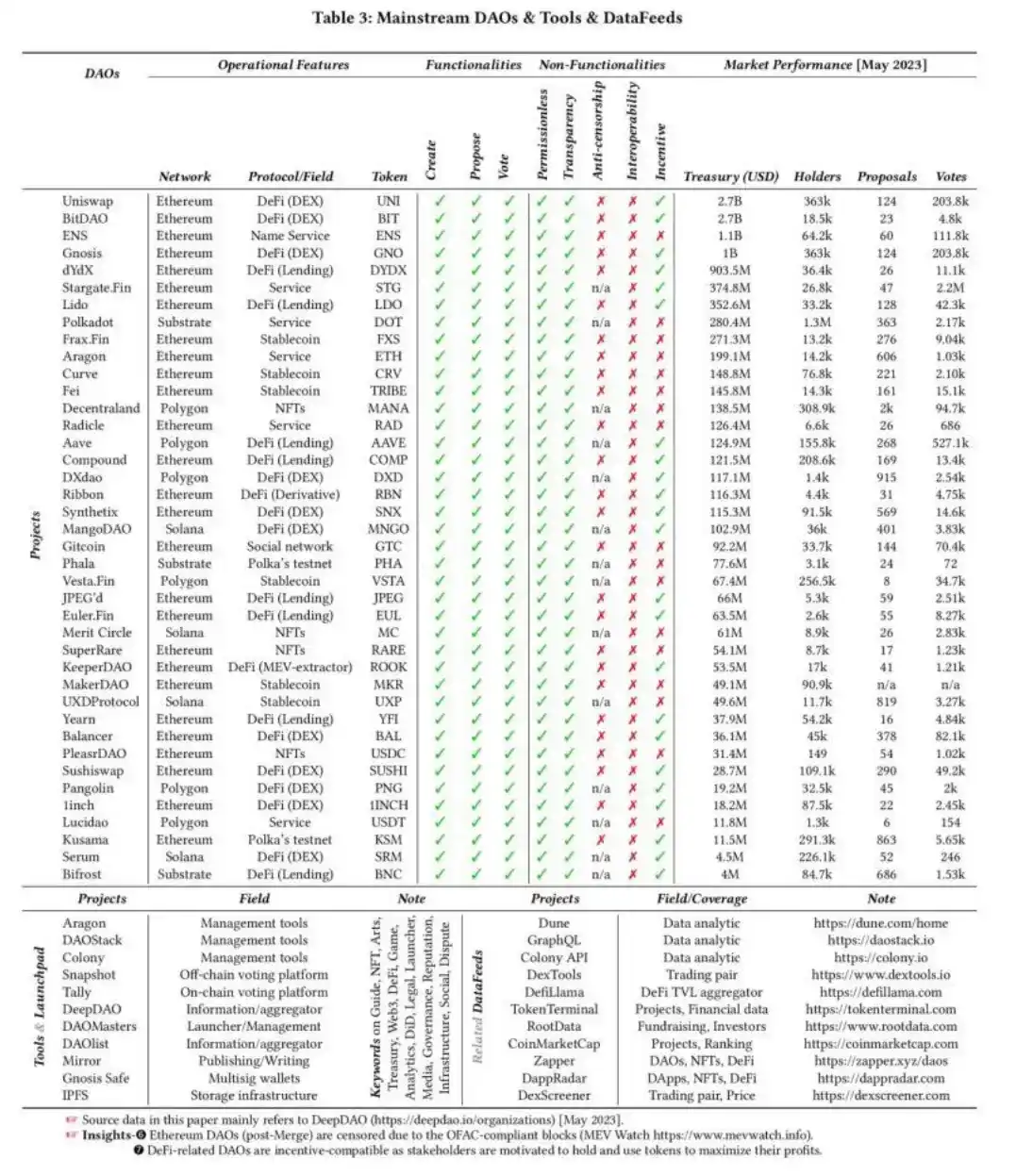
After studying more than 581 DAO projects and analyzing 16,246 proposals over 5 years. This DAO paper covers all projects using the DAO/governance platform Snapshot, covering more than 95% of the actual DAO projects (more than 11,000 spaces). I found four key findings in this "DAO Dilemma":
1) Centralization Paradox
The data shows an astonishing growth - 581 DAOs, more than 16,000 proposals, spanning 5 years. The distribution of members follows the Pareto principle.
A few people hold most of the power.
I can’t help but wonder: Are we recreating traditional power structures under the guise of blockchain? The Gini coefficient of token distribution within DAOs would be an interesting indicator.
2) Technical Time Bomb
The lack of upgrades to IPFS gives me chills. This is a classic case of technical debt that could explode as DAOs scale. We’re talking about potential data loss, soaring storage costs, and inefficiencies.
Here’s a thought experiment: What happens if data for a critical proposal can’t be retrieved due to an outdated IPFS link? The consequences could be severe.
3) The tug-of-war between democracy and efficiency
The study shows a wide range of voting contexts—from budgets to hiring decisions. Isn’t this democracy in action? Wait, I see two huge warning signs:
a) Voting apathy: Low voter turnout is a common problem in many decisions.
b) Token-weighted voting: A few large players can sway the entire ecosystem.
This creates a governance paradox. On the one hand, we pursue the ideal of decentralized decision-making. On the other hand, we face the harsh reality of concentrated power and community disengagement.
4) Token Dilemma
Here’s where things get really interesting. Most DAOs use self-issued tokens, not mainstream cryptocurrencies like USDT or ETH. This raises serious questions about incentive structures and long-term viability.
Are we witnessing the birth of a robust governance system, or are we just seeing sophisticated token hype? The skeptic in me leans more towards the latter, but I am willing to be smacked in the face by the facts.
5) The Way Forward
Despite these challenges, I remain cautiously optimistic about DAOs.
What I think needs to happen is:
• Implement quadratic voting or other mechanisms to balance influence.
• Prioritize technical infrastructure upgrades, especially for data storage.
• Develop stronger incentives to ensure continued participation in governance.
• Encourage the use of more stable value tokens for governance.
This research reinforces my belief that DAOs are at a critical juncture. The promise of decentralized governance is huge, but so are the obstacles.
What do you think? Will DAOs be the future of organizations, or are we witnessing a grand experiment destined to repeat the mistakes of traditional systems?
Original link
Recommended
The Wall Street Journal: How is AI Trading Stealing the Limelight from Cryptocurrency?
Aug 15, 14:00
Tencent Still Has a Dream
Aug 15, 11:27
To Catch North Korean Hackers, They Set Up a Fake Project
Aug 15, 10:00
From Litigation to Settlement: Positive Signal Released by HTX's Negotiation with FCA
Aug 14, 19:32
11,742 Shipping Addresses Exposed Alongside Trezor Orders
Aug 14, 19:01
Founder Interview: FOMO Creator Explains How They Added 30,000 Users in One Day and Became One of the Fastest-Growing Crypto Apps
Aug 14, 18:37