Stablecoin's Ten-year Rollercoaster Ride: From Currency Wars to Tripartite Struggle

Original Author: Minerva
Original Translator: Block Unicorn

It has been a decade since Tether introduced the first US dollar-backed cryptocurrency. Since then, stablecoins have become one of the most widely adopted products in the cryptocurrency space, with a current market capitalization of nearly $180 billion. Despite achieving such significant growth, stablecoins still face several challenges and limitations.
This article delves into the issues with the existing stablecoin models and attempts to predict how we will end the currency war.
Before diving into the discussion, let's first introduce some fundamentals to better understand the meaning of stablecoins.
A few years ago, when I started researching stablecoins, I was puzzled by people describing them as debt instruments. However, as I delved into how money is created in the current financial system, I began to understand this.
In a fiat currency system, money is primarily created when commercial banks (referred to as "banks" hereafter) extend credit to customers. But this doesn't mean that banks can create money out of thin air. Before creating money, banks must first receive something of value: your promise to repay the loan.
Let's say you need financing to buy a new car. You apply for a loan at a local bank, and once approved, the bank credits your account with a deposit matching the loan amount. At this point, new money is created in the system.
When you transfer this money to the car seller, if the seller banks with another bank, the deposit might move to another bank. However, this money still stays within the banking system until you begin repaying the loan. Money is created through lending and destroyed through repayment.
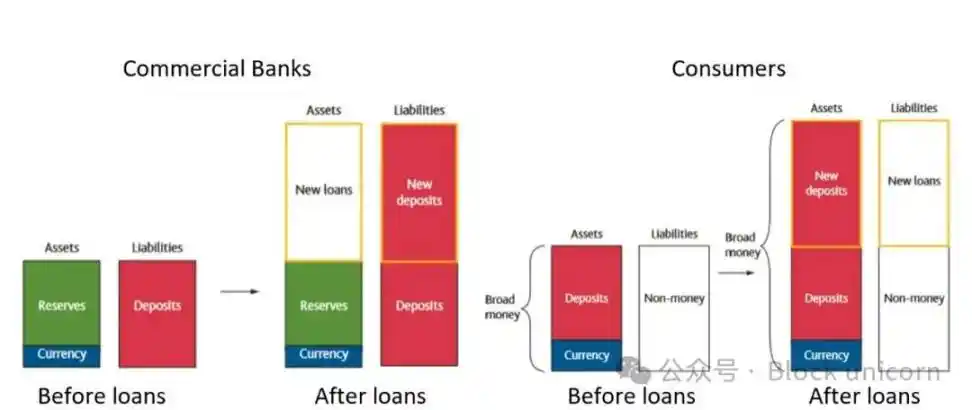
Figure 1: Creating Money Through Additional Loans
Source: "Money Creation in the Modern Economy" (Bank of England)
Stablecoins operate somewhat similarly. Stablecoins are created by the issuer when extending loans and are destroyed through the borrower's repayment. Centralized issuers like Tether and Circle mint tokenized US dollars, which are essentially digital IOUs issued based on the dollar deposits made by borrowers. On the other hand, DeFi protocols (such as MakerDAO and Aave) also mint stablecoins through loans, but this issuance is collateralized by crypto assets, not fiat.
Due to its debt backed by various forms of collateral, the stablecoin issuer effectively acts as a role of a crypto bank. Sebastien Derivaux, the founder of Steakhouse Financial, further explores this analogy in his research paper "Cryptodollars and the Hierarchy of Money."

Figure 2: Two-Dimensional Matrix of Cryptodollars
Source: "Cryptodollars and the Hierarchy of Money," September 2024
Sebastien classifies stablecoins using a two-dimensional matrix based on their reserve nature (such as RWA off-chain assets and on-chain crypto assets) and whether the model is fully reserved or partially reserved.
Here are some noteworthy examples:
· USDT: Mainly backed by off-chain reserves. Tether's model is partially reserved as each USDT is not 1:1 backed by cash or cash equivalents (like short-term government securities) but also includes other assets such as commercial paper and corporate bonds.
· USDC: USDC is also backed by off-chain reserves, but unlike USDT, it maintains a fully reserved status (1:1 backed by cash or cash equivalents). Another popular fiat-backed stablecoin, PYUSD, falls into this category as well.
· DAI: Issued by MakerDAO, DAI is backed by on-chain reserves. DAI achieves partial reserve through its over-collateralization structure.
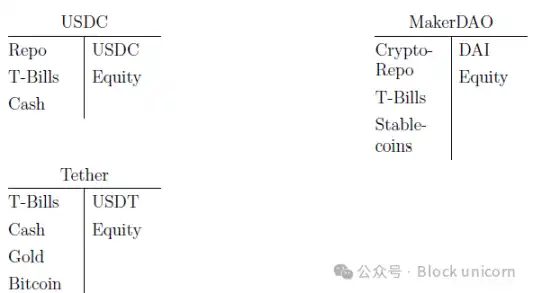
Figure 3: Simplified Balance Sheet of Current Cryptodollar Issuers
Source: "Cryptodollars and the Hierarchy of Money," September 2024
Similar to traditional banks, the goal of these crypto banks is to generate significant returns for shareholders by undertaking moderate balance sheet risk. The risk should be sufficient to be profitable but not so high as to endanger collateral and face bankruptcy risk.
Although stablecoins offer ideal characteristics compared to traditional finance (TradFi) alternatives, such as lower transaction costs, faster settlement times, and higher yields, the existing models still face many issues.
(1) Fragmentation
According to data from RWA.xyz, there are currently 28 active USD-pegged stablecoins.
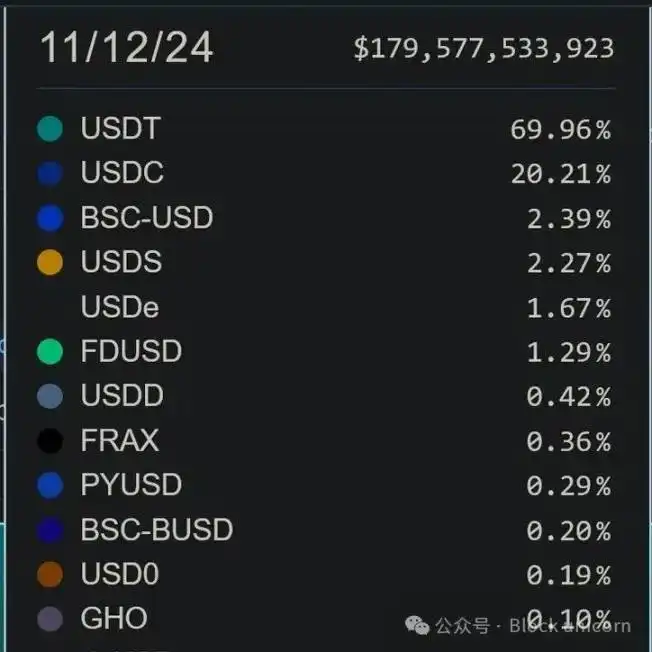
Figure 4: Market Share of Existing Stablecoins
Source: RWA.xyz
As Jeff Bezos once said, "Your margin is my opportunity." Despite Tether and Circle continuing to dominate the stablecoin market, the high-interest-rate environment in recent years has led to a wave of newcomers trying to get a piece of the action.
The problem with having so many stablecoin options is that, although they all represent tokenized dollars, they are not interoperable. For example, a user holding USDT cannot seamlessly use it at a merchant that only accepts USDC, even though both are pegged to the dollar. Users can exchange USDT for USDC through centralized or decentralized exchanges, but this introduces unnecessary transaction friction.
This fragmented landscape resembles the era before central banks, when each bank issued its own banknotes. During that time, the value of banknotes fluctuated based on the stability of their reputation, and if the issuing bank went bankrupt, they could become worthless. The lack of standardized value led to market inefficiencies, making cross-border trade difficult and costly.
The establishment of central banks was to address this issue. By requiring member banks to maintain reserve accounts, they ensured that bank-issued paper currency could be universally accepted at face value throughout the system. This standardization achieved what is known as "monetary singularity," allowing people to consider all banknotes and deposits as equivalent, regardless of the issuing bank's reputation.
However, DeFi lacks a central bank to establish monetary singularity. Some projects, such as M^0 (@m0 foundation), are attempting to solve the interoperability issue by developing a decentralized platform for issuing a crypto dollar. I am personally excited about their ambitious vision, but the challenges are significant, and their success is still a work in progress.
(2) Counterparty Risk
Imagine you have an account at J.P. Morgan (JPM). While the official currency in the United States is the US Dollar (USD), the balance in this account actually represents a form of bank liability that we can call jpmUSD.
As mentioned earlier, jpmUSD is pegged to the dollar at a 1:1 ratio through an agreement between JPM and the central bank. You can redeem jpmUSD for physical cash or transact it at a 1:1 exchange rate within the banking system with other bank liabilities like boaUSD or wellsfargoUSD.
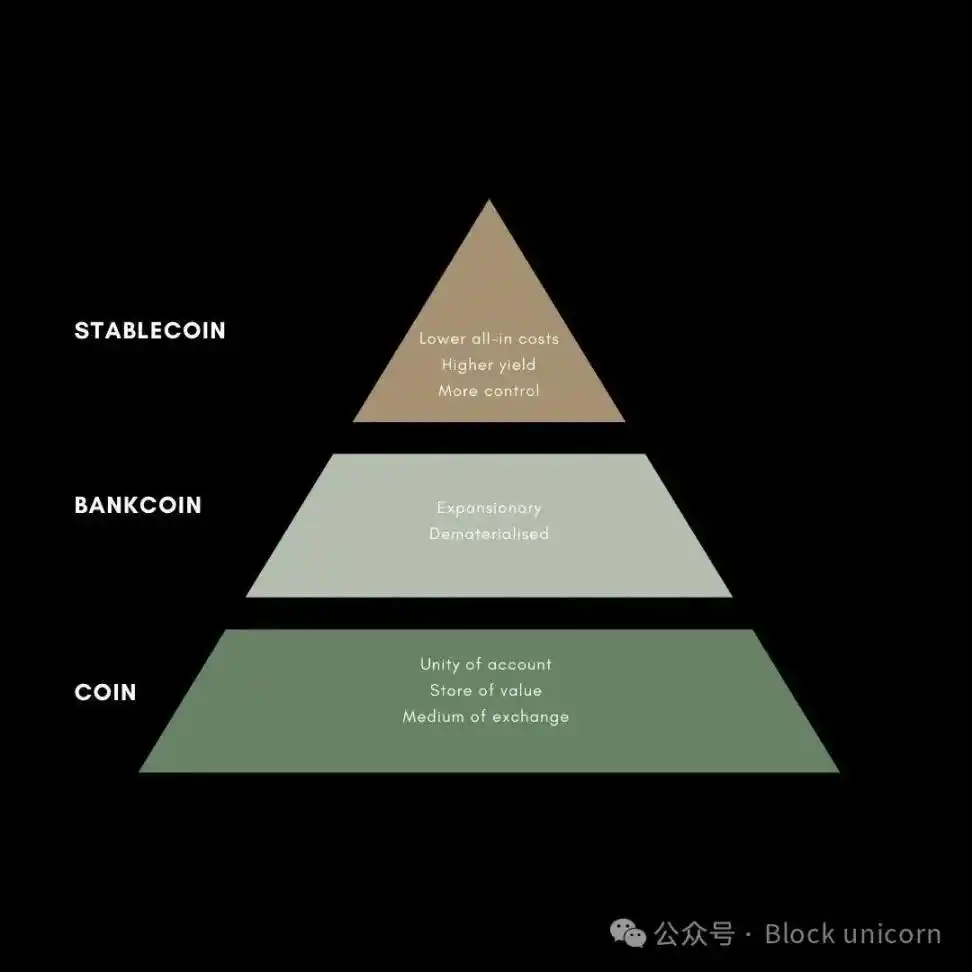
Figure 5: Conceptual Diagram of Monetary Hierarchy
Source: #4 | Currency Categorization: From Tokens to Stablecoins (Dirt Roads)
Just as we can stack different technologies to create a digital ecosystem, various forms of currency can also be hierarchically layered. Both the Dollar and jpmUSD are currency forms, but jpmUSD (or 'bank coin') can be seen as a layer above the Dollar ('token'). In this hierarchy, the bank coin relies on the trust and stability of the underlying token and is backed by formal agreements from the Federal Reserve and the U.S. government.
Fiat-backed stablecoins (such as USDT and USDC) can be described as a new layer above this hierarchy. They retain the fundamental characteristics of bank coins and tokens while adding the advantages of blockchain networks and interoperability with DeFi applications. While they act as an enhanced payment rail layer above the existing fiat stack, they are still closely tied to the traditional banking system, thus introducing counterparty risk.
Centralized stablecoin issuers typically invest their reserves in secure and liquid assets like cash and short-term U.S. government securities. While credit risk is low, the counterparty risk is elevated due to only a small portion of bank deposits being insured by the Federal Deposit Insurance Corporation (FDIC).
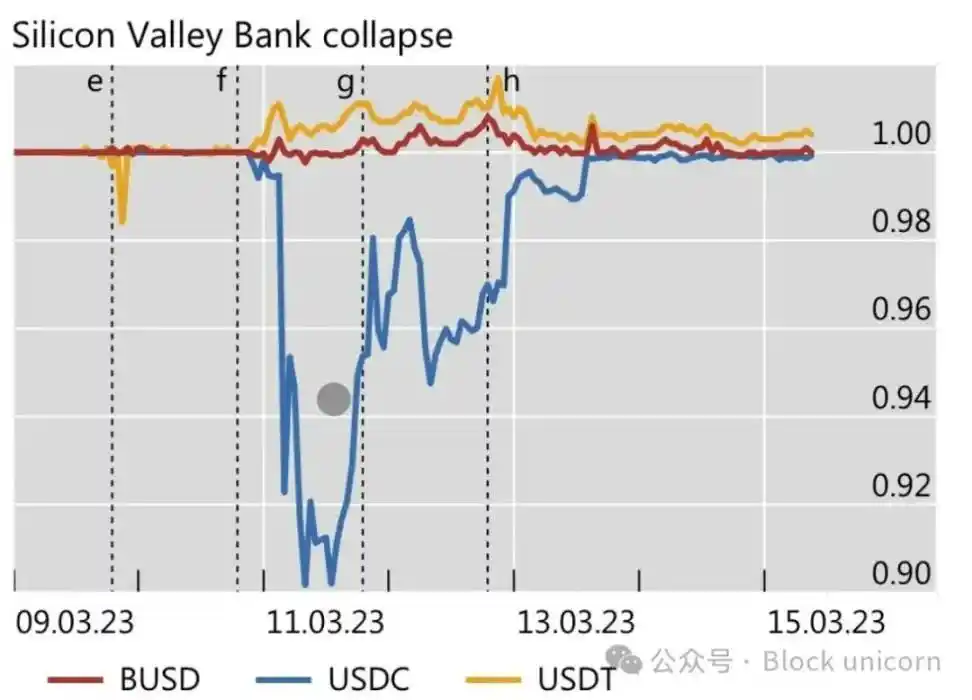
Figure 6: Stablecoin Price Fluctuation During SVB Collapse
Source: "Stablecoins and Tokenized Deposits: Implications for Monetary Unions" (BIS)
For example, in 2021, out of approximately $10 billion in cash held by Circle at a regulated financial institution, only $1.75 million (about 0.02%) was backed by FDIC deposit insurance.
When Silicon Valley Bank (SVB) collapsed, Circle faced the risk of losing most of its deposits at the bank. If the government had not taken special action to guarantee all deposits, including those exceeding the $250,000 FDIC insurance limit, USDC could have become permanently detached from the US dollar.
3. Yield: Race to the Bottom
In this cycle, the dominant narrative around stablecoins has been the concept of "returning yield to users."
For regulatory and financial reasons, centralized stablecoin issuers have retained all profits generated from user deposits. This has led to a disconnect between the parties actually driving value creation (users, DeFi applications, and liquidity providers) and those capturing the yield (the issuer).
This disparity paved the way for a new wave of stablecoin issuers who mint stablecoins using short-term wealth or tokenized versions of these assets and redistribute the underlying yield to users through smart contracts.
While this is a step in the right direction, it has also spurred issuers to significantly reduce fees to gain larger market share. The intensity of this yield battle was evident to me when reviewing proposals for the Spark Tokenization Grand Prix's tokenized money market fund, aiming to onboard $1 billion of tokenized financial assets as collateral for MakerDAO.
Ultimately, yield or fee structures cannot be a long-term differentiator as they may tend towards the minimum sustainable rate required to operate. Issuers will need to explore alternative seigniorage strategies as stablecoin issuance alone does not accrue value.
"Romance of the Three Kingdoms" is a beloved classic in East Asian culture, set in the waning years of the Han Dynasty when warlords vied for power in an era of continuous warfare.
One key strategist in the story is Zhuge Liang, who proposed dividing China into three independent regions, each controlled by one of the three major warlords. His "Three Kingdoms" strategy aimed to prevent any one kingdom from dominating, creating a balanced power structure to restore stability and peace.
I am no Zhuge Liang, but stablecoins may also benefit from a similar tripartite strategy. The future landscape may be divided into three realms: (1) Payments, (2) Yield, and (3) Middleware (anything between the two).
· Payment: Stablecoins have provided a seamless, low-cost cross-border transaction settlement method. USDC currently leads in this area, and its collaboration with Coinbase and Base Layer 2 may further solidify its position. DeFi stablecoins should avoid direct competition with Circle in the payment space and instead focus on the DeFi ecosystem where they have a clear advantage.
· Yield: RWA protocols issuing yield-bearing stablecoins should look to Ethena, which has cracked the code for generating high and relatively sustainable yields through cryptocurrency-native and associated products. Whether it's leveraging other delta neutral strategies or creating synthetic credit structures mimicking traditional finance (TradFi) derivatives, there is room for growth in this area due to the scalability limits faced by USDe.
· Middleware: For low-yield decentralized stablecoins, there is an opportunity to consolidate fragmented liquidity. An interoperable solution would maximize DeFi's ability to match lenders and borrowers and further streamline the DeFi ecosystem.
The future of stablecoins remains uncertain. However, the power balance among these three components could end the "currency wars" and bring much-needed stability to the ecosystem. Instead of engaging in a zero-sum game, this equilibrium will provide a solid foundation for the next generation of DeFi applications and pave the way for further innovation.
Recommended
The Wall Street Journal: How is AI Trading Stealing the Limelight from Cryptocurrency?
Aug 15, 14:00
Tencent Still Has a Dream
Aug 15, 11:27
To Catch North Korean Hackers, They Set Up a Fake Project
Aug 15, 10:00
From Litigation to Settlement: Positive Signal Released by HTX's Negotiation with FCA
Aug 14, 19:32
11,742 Shipping Addresses Exposed Alongside Trezor Orders
Aug 14, 19:01
Founder Interview: FOMO Creator Explains How They Added 30,000 Users in One Day and Became One of the Fastest-Growing Crypto Apps
Aug 14, 18:37