Solana launches Alpenglow, its largest consensus upgrade since 2020, with transaction finality expected to drop from 6 seconds to 150 milliseconds.

On October 21, 2026, according to a technical deep dive published by CoinDesk, high-performance public chain Solana officially launched its major upgrade named Alpenglow, marking the most profound consensus mechanism overhaul for the network since its mainnet launch in 2020.
The primary goal of this upgrade is to completely reshape the validator consensus confirmation logic, aiming to drastically compress the transaction finality (Finality) from approximately 6 seconds currently to just 150 milliseconds, achieving a nearly 40x performance leap.
Off-chain Aggregated Certificate Mechanism: Settlement Speed Approaches Card Swipe Experience
According to Alpenglow's technical architecture design, the underlying overhaul completely eliminates the cumbersome original model of directly putting massive validator votes on-chain, replacing it with off-chain signature collection aggregated into a single consensus certificate.
This optimization allows network transactions to rapidly lock into their final state within one to two rounds of consensus interaction. If the mainnet operates as expected, the Solana transaction confirmation experience will be directly comparable to traditional credit card swipe settlements or centralized matching engines.
This also means that on-chain meme coin high-frequency speculation, large-scale stablecoin instant settlement, and slippage friction in decentralized exchange order books will all see qualitative leaps with millisecond-level response times.
Reducing Validator Operational Burden: Voting Costs Reduced by 60%
While significantly optimizing transaction finality confirmation, the new protocol simultaneously reshapes the economic incentive model for validator nodes. Prior to the preliminary adjustment that compressed slot block production windows to 200 milliseconds, nodes required approximately 2 SOL daily to pay on-chain voting fees.
The upgrade completely eliminates per-transaction on-chain voting fee deductions, shifting to a fixed access credential fee of 0.8 SOL paid uniformly per epoch (Epoch, approximately 24 hours), directly reducing the daily network maintenance costs for validator nodes by approximately 60%.
Infrastructure provider Raiku noted that as voting actions are removed from block space, the reported on-chain transaction counts on Solana this week will show a nominal drop, but the actual scale of user commercial transactions remains unaffected.
Six Testnet Restarts: Smooth Transition Across 5,000 Slots
Despite the highly anticipated mainnet outlook, the trial run of this consensus engine has been quite winding. According to a testnet review research report published by Galaxy Digital, since the network was established in early May, the test environment has undergone six complete rebuilds.
At one point, a full network system migration even caused paralysis due to consensus anomalies, forcing the team to urgently execute a full rollback. After rigorous troubleshooting and subsequent migration verification, the testnet ultimately achieved stable consensus, laying the technical foundation for this mainnet switch.
According to the mainnet governance schedule, the entire network will enter the upgrade sequence when Epoch 1,064 begins on Wednesday. After a progressive transition across 5,000 slots, the handover to the new consensus engine will be fully completed at slot 459,653,000.
Join the official Coincamps community:
Telegram: https://t.me/coin_camps
Recommended
Teaming Up with PreStocks to Enter Pre-IPO, Pump.fun Finds a New Revenue Stream
Oct 21, 20:35Full Analysis of Three Possible Outcomes for the US Midterm Elections: What Will Trump Face? The 2027 Fiscal Battle Is Hard to Avoid
Oct 21, 20:28
Has the hype around Robinhood Chain cooled down?
Oct 21, 20:26
BitGo vs Fireblocks for Stablecoin Custody and Treasury
Oct 21, 20:26
Global Crypto "Zero-Tax" Illusion: No Capital Gains Tax Does Not Mean Profits Are Tax-Exempt
Oct 21, 19:59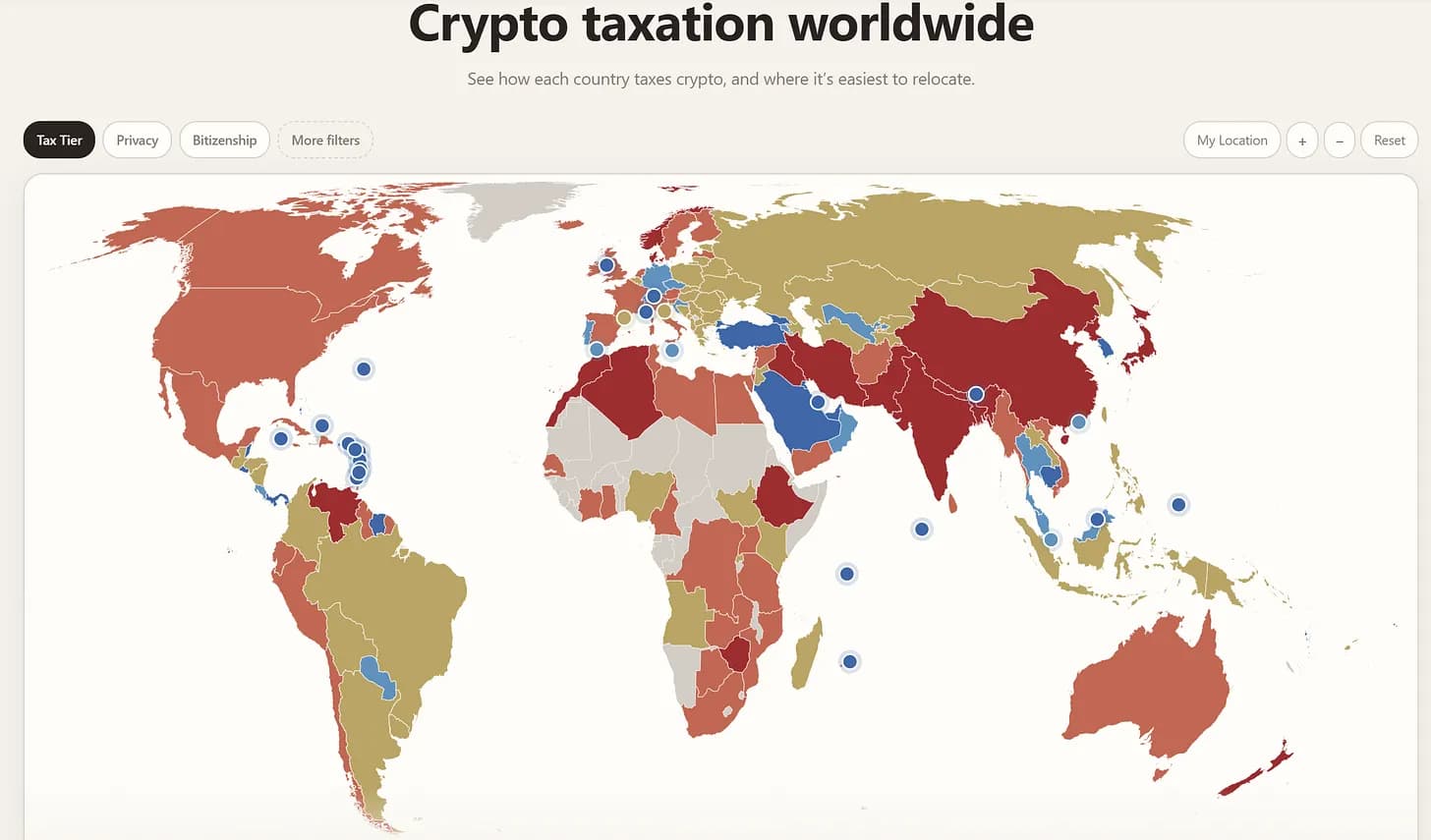
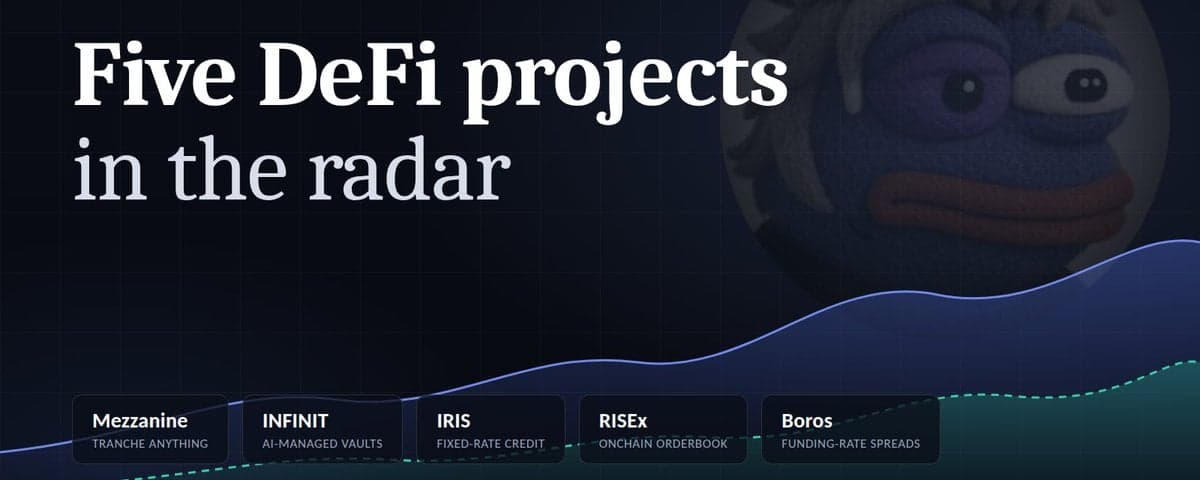
Five DeFi Projects on Watchlist: From Tranched Vaults to On-Chain Perpetual Orderbooks
Oct 21, 19:56