Berkshire's Q3 Net Profit Falls 28%, Investment Gains Shrink Nearly Half, Cash Rises to $377.4 Billion
Written by Bu Shuqing
Berkshire Hathaway's third-quarter net profit fell sharply, with pressure on its insurance business and lower investment gains as the main drags. Still, the company significantly stepped up share buybacks in the quarter, with the single-quarter repurchase size hitting a new high for the year, and its cash reserves climbed further to $377.4 billion.
On November 7 local time, Berkshire released its third-quarter results. Operating profit came in at $12.705 billion, down 5.8% year on year; net profit was $22.112 billion, down 28.2% year on year. Of that, investment gains totaled about $9.407 billion, down about 45.7% from $17.311 billion in the same period last year, shrinking by nearly half.
The insurance business performed weakly. Insurance underwriting profit fell 43% year on year, with claims losses and underwriting expenses at auto insurance subsidiary Geico rising 8.5% and 17% respectively. Insurance net investment income also fell 14% year on year to $2.7 billion, mainly due to lower short-term interest rates.
On capital allocation, Berkshire spent about $9.6 billion repurchasing its own shares in the third quarter, the highest single-quarter level this year. Meanwhile, as of the end of September, the company's cash reserves had risen to $377.4 billion, continuing to increase from the previous quarter. Berkshire also net sold about $426 million of equity holdings in the third quarter.
Insurance business under pressure, operating profit down 5.8% year on year
Berkshire's third-quarter operating profit was $12.705 billion, down 5.8% year on year, with the weak performance of the insurance business one of the important reasons.
Insurance underwriting profit fell 43% year on year in the third quarter. Among that, Geico's claims losses rose 8.5% year on year, while underwriting expenses grew 17%, reflecting somewhat rising cost pressure in the insurance business.
At the same time, Berkshire's insurance net investment income fell 14% year on year to $2.7 billion. Bloomberg noted that this was mainly due to lower short-term interest rates. With both underwriting profit and investment income declining, overall profitability of the insurance business is under pressure.
Investment gains shrink nearly half, net profit plunges 28% year on year
Compared with the 5.8% decline in operating profit, Berkshire's third-quarter net profit fell more markedly.
Third-quarter net profit was $22.112 billion, down 28.2% year on year. Investment gains totaled about $9.407 billion, down about $7.9 billion, or roughly 45.7%, from $17.311 billion in the same period last year.
It should be noted that investment gains include both unrealized and realized gains and losses on equity investments, and are not equivalent to the cash gains generated from buying and selling stocks. The decrease in investment gains was an important drag on Berkshire's year-on-year net profit decline.
Looking at the portfolio structure, Berkshire's equity investment portfolio remains highly concentrated.
As of September 30, five companies — Alphabet, American Express, Apple, Bank of America and Coca-Cola — together accounted for 65% of the total fair value of its equity investments.
Meanwhile, since taking office, Abel has also begun to increase the company's exposure to AI-related assets, including investing more than $10 billion in Alphabet and $930 million in Italian tech group Bending Spoons.
However, Alphabet's share price has fallen more than 24% cumulatively since June and has now dropped below Berkshire's entry cost; Bending Spoons' share price briefly spiked after Berkshire added to its position, then continued to fall over the past three weeks. The timing of this series of AI investments is now being questioned by the market.
Buybacks hit a year-high for a single quarter, cash reserves rise to $377.4 billion
Despite the earnings pressure, Berkshire still significantly increased its share repurchases in the third quarter.
The company bought back about $9.6 billion of its own shares in the quarter, the highest single-quarter level this year. Bloomberg reported that Berkshire restarted share repurchases in the first quarter of this year, the company's first buybacks in more than a year.
Abel believes Berkshire's share price is below its intrinsic value, so the company began buying back its own shares again.
Meanwhile, as of the end of September, Berkshire's cash reserves (cash and short-term U.S. Treasury bills) reached $377.4 billion, further increasing from the previous quarter. The company also net sold about $426 million of equity holdings in the third quarter.
This means that while stepping up buybacks of its own shares, Berkshire still maintains a massive cash reserve. For Abel, how to allocate capital among external investments, share repurchases and cash management will remain a focus of continued market attention.
Join the official Coincamps community:
Telegram: https://t.me/coin_camps
Recommended
Largest IPO in History Faces AI Panic: Valuation Shrinks by 500 Billion, Anthropic’s Listing Impasse
Nov 7, 22:32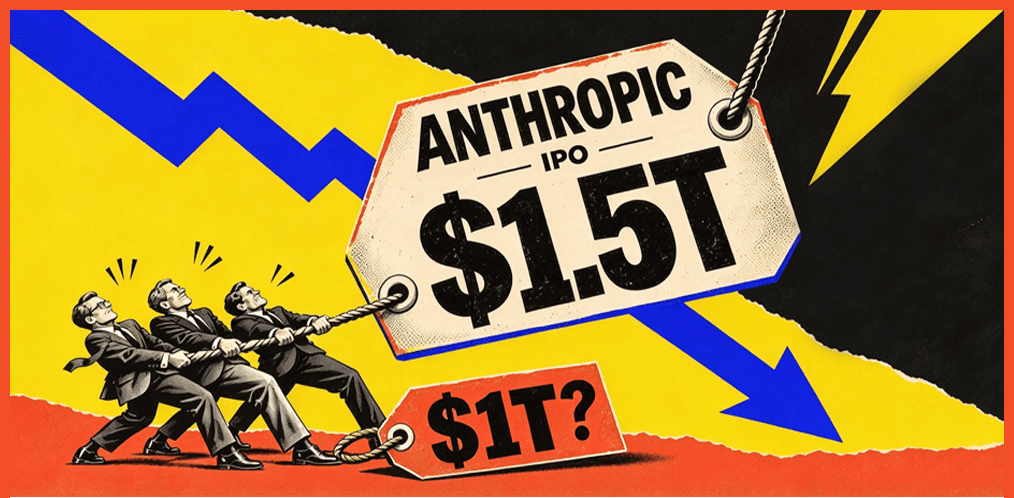
A Tax Cash Cow — So Why Are Data Centers Being Rejected by US Voters?
Nov 7, 22:30Request Finance Review 2026: Fees, Rails, Fit
Nov 7, 21:14
Intel: OpenAI Secures $11B Funding at $1.25T Valuation, Tesla Halts Cybertruck to Shift to Cybercab Production
Nov 7, 21:03
Operation Economic Outcast Severs MEXC Global's Access to the U.S.Financial System
 LayerPulseNov 7, 20:28

CFTC Regulatory Breakthrough: Prediction Market Kalshi Launches 50 Single-Stock Perpetual Contracts, First-Day Morning Trading Volume Exceeds $300 Million
Nov 7, 17:32